
In the world of grain processing, where tradition meets innovation, a new contender is stepping into the spotlight: the Jet Rice Polisher. As consumers increasingly seek both quality and efficiency in their food sources, this cutting-edge technology promises to redefine the way we think about rice polishing. With roots steeped in age-old practices, the Jet Rice Polisher marries time-tested methods with modern advancements, resulting in a product that not only enhances the visual appeal of grains but also preserves vital nutrients. In this article, we delve into the science and significance behind this revolutionary machine, exploring its implications for farmers, manufacturers, and consumers alike. Join us as we unveil the Jet Rice Polisher and discover how it stands to transform the landscape of grain processing, one polished seed at a time.
Exploring the Technology Behind the Jet Rice Polisher
The Jet Rice Polisher is engineered with a unique approach that enhances the quality and appearance of rice, resulting in a product that meets both culinary and commercial standards. One of the key technologies employed in this polisher is the high-velocity jet airflow designed to remove impurities and bran effectively. This process not only polishes the grains but also preserves essential nutrients while ensuring a consistent, shiny finish. The polisher operates with a remarkable efficiency that minimizes breakage, often resulting in a higher yield of whole grains compared to traditional polishing methods.
In addition to its innovative airflow technology, the Jet Rice Polisher incorporates intelligent control systems that monitor the polishing process in real-time, adjusting parameters to optimize performance. This adaptability helps to maintain quality across different rice varieties and conditions. Key features of this technology include:
- Automated cleaning cycles that reduce downtime.
- Low energy consumption, making it environmentally friendly.
- User-friendly interfaces for easy operation.
The combination of these technologies makes the Jet Rice Polisher not just a tool, but a partner in grain processing, setting a new standard in the industry.
| Feature | Traditional Polishers | Jet Rice Polisher |
|————————–|———————–|———————|
| Efficiency | Moderate | High |
| Nutrient Retention | Low | High |
| Breakage Rate | High | Low |
| Energy Consumption | High | Low |
With these advancements, it is clear that the Jet Rice Polisher is more than just an innovation; it is a transformative solution that seeks to elevate the rice milling industry into a new era of quality and efficiency.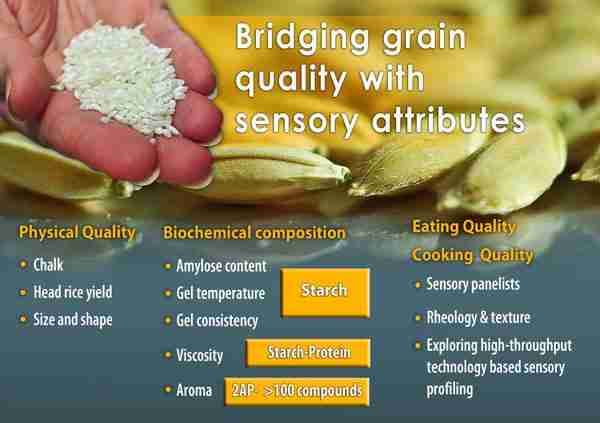
Enhancing Grain Quality with Precision Polishing Techniques
In the pursuit of superior grain quality, precision polishing techniques have come to the forefront, reshaping the landscape of grain processing. The Jet Rice Polisher stands out as a remarkable innovation, utilizing advanced airflow and micro-abrasion methods to achieve unparalleled results. Unlike traditional polishing machines, which often result in uneven surfaces, this state-of-the-art equipment ensures a uniform finish, allowing grains to retain vital nutrients while eliminating unwanted husk and bran residues. Key benefits include:
- Enhanced Aesthetic Appeal: Grains emerge from the polishing process with a bright, polished appearance that consumers find appealing.
- Improved Shelf Life: The precision of polishing minimizes damage, leading to longer-lasting grains.
- Consistent Quality: Each batch undergoes a controlled process, ensuring uniformity and high standards.
The Jet Rice Polisher not only optimizes the quality of grains but also represents a sustainable approach in food processing. By minimizing waste and enhancing operational efficiency, this technology aligns with global efforts to reduce food loss. The machine’s design incorporates eco-friendly principles, such as:
| Feature | Benefit |
|---|---|
| Energy Efficiency | Reduces operational costs |
| Low Water Usage | Conserves essential resources |
| Automatic Control | Minimizes manual labor and errors |
By integrating these advanced polishing techniques, processors can significantly elevate their offerings, catering to a market increasingly demanding quality and sustainability. Embracing this innovation could very well position agribusinesses at the forefront of the evolving grain sector.
Environmental Benefits: Sustainability Through Advanced Milling
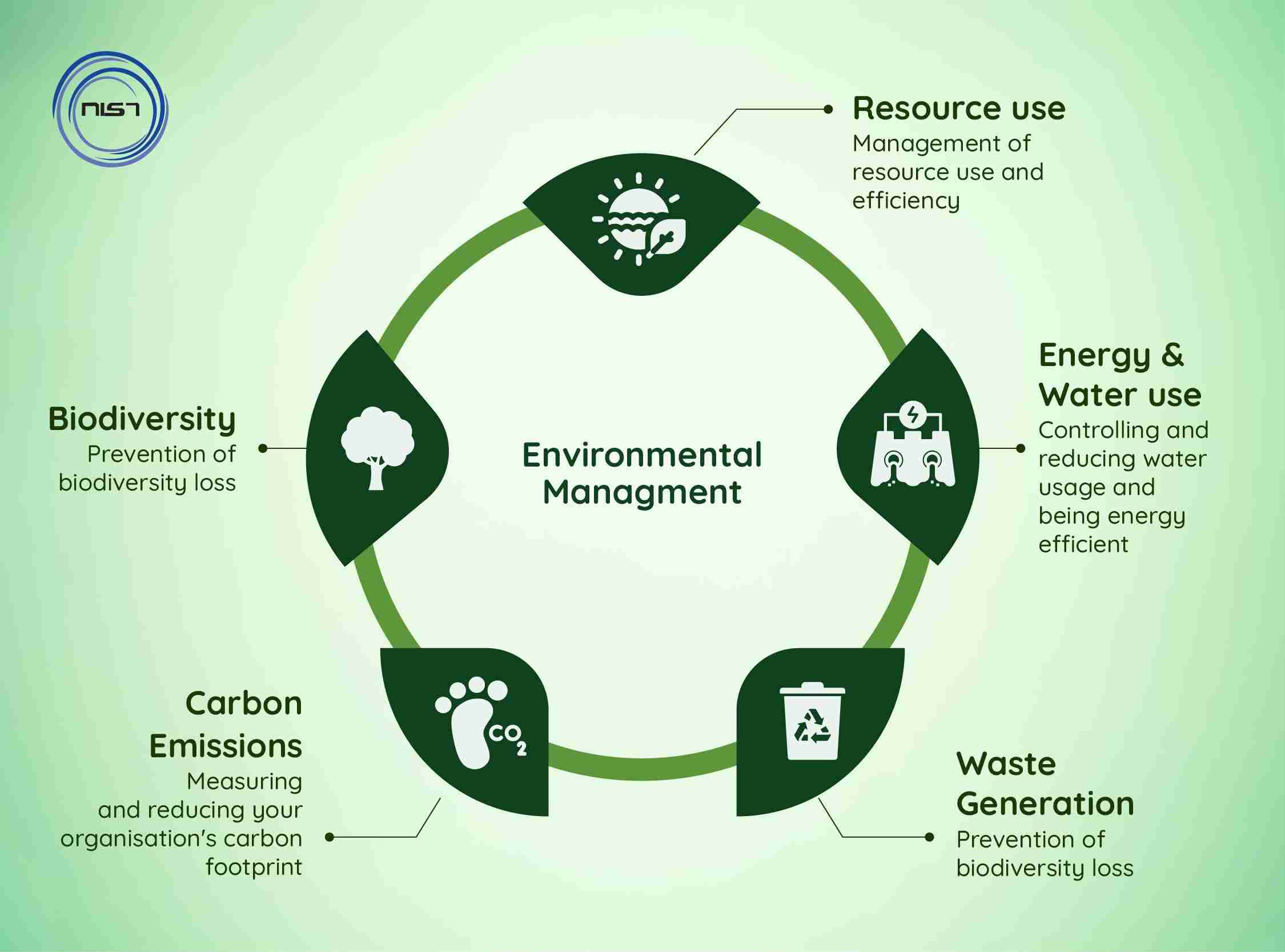
In a world increasingly focused on eco-friendly practices, the Jet Rice Polisher represents a significant leap towards sustainable grain processing. Traditional milling often results in substantial waste, primarily due to inefficient extraction and polishing processes. However, the Jet Rice Polisher utilizes state-of-the-art technology that maximizes grain yield while minimizing waste. As a result, the environmental impact is considerably reduced, paving the way for more responsible rice production that conserves resources. By optimizing the polishing process, energy consumption is lowered, contributing to a more sustainable future.
The benefits extend beyond just efficiency; this innovative approach also enhances the nutritional quality of the milled grains. The Jet Rice Polisher carefully preserves essential nutrients that are often lost in conventional milling processes. This aligns perfectly with growing consumer demand for healthier food options. The shift towards advanced milling techniques fosters a sustainable food system by:
- Reducing Carbon Footprint: Lower energy consumption leads to fewer emissions.
- Minimizing Waste: Enhanced extraction methods ensure more grain makes it to the table.
- Preserving Nutritional Integrity: Healthier grains promote better dietary choices.
To further illustrate the impact of this revolutionary milling technology, the following table highlights key differences between conventional milling and the Jet Rice Polisher:
| Milling Method | Grain Yield (%) | Energy Consumption (kWh per ton) | Nutrient Retention (%) |
|---|---|---|---|
| Conventional Milling | 65-70 | 300 | 75 |
| Jet Rice Polisher | 80-85 | 200 | 90 |
Practical Tips for Integrating Jet Rice Polishers in Your Operations
Integrating Jet Rice Polishers into your operations can dramatically enhance your processing efficiency and product quality. Start by conducting a thorough analysis of your current workflow to identify areas where the polisher can add value. Consider factors such as throughput, grain quality, and the specific types of grains you are working with. Once identified, allocate a designated space for the polisher that allows easy access for staff and maintenance. Ensure that your team is well-trained on the operation of the machine; this can be achieved through structured training sessions highlighting the equipment’s features, benefits, and best practices for use.
To maximize the benefits of Jet Rice Polishers, implement a regular maintenance schedule that includes cleaning and inspection. This not only extends the life of the equipment but also ensures optimum performance. Additionally, monitor your output quality closely and gather feedback from your production team. Consider these key practices for continuous improvement:
- Performance Metrics: Track key performance indicators related to polish quality and efficiency.
- Feedback Loops: Establish systems for operators to report issues or suggest improvements.
- Operational Adjustments: Be ready to tweak settings based on the specific grain type and desired polish level.
Wrapping Up
the Jet Rice Polisher stands as a significant advancement in the grain processing industry, marrying time-honored tradition with cutting-edge technology. By enhancing not only the visual appeal of rice but also its nutritional profile, this innovative machine heralds a new era for farmers, millers, and consumers alike. As we embrace these advancements, the Jet Rice Polisher reminds us of the delicate balance between progress and preservation, paving the way for a future where quality and efficiency go hand in hand. Whether you’re a discerning chef or a curious home cook, the evolution of grain processing invites us all to explore the uncharted possibilities in our kitchens. Let us welcome this revolution with open arms and an eager palate, ready to savor the endless opportunities it presents.




