
In a world where food quality and efficiency are paramount, the humble rice grain has undergone its own evolution. Enter the mini rice polisher machine—a compact yet powerful marvel that promises to transform not only how we process rice but also how we perceive the logistics of food preparation. As the demand for higher quality rice grows, so too does the need for innovative solutions that streamline production without compromising on flavor or nutrition. This article delves into the rise of these miniature polishing machines, exploring their technology, benefits, and the pivotal role they play in enhancing efficiency in rice milling operations. Join us as we unlock the potential of these little giants and discover how they’re setting the stage for a new era in rice processing.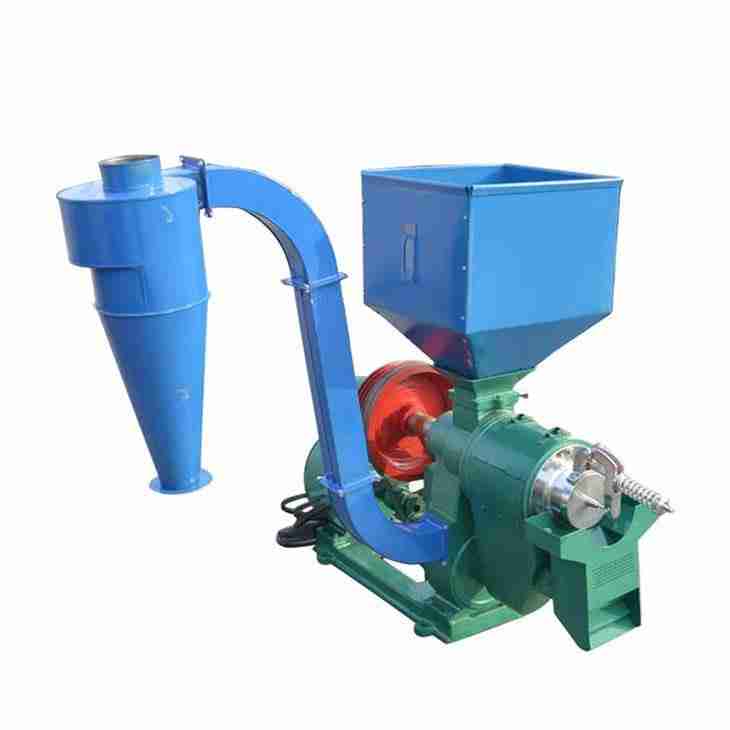
Exploring the Benefits of Mini Rice Polisher Machines in Modern Rice Milling
The advent of mini rice polisher machines marks a significant leap forward in the rice milling industry, offering various advantages to producers and consumers alike. These compact machines streamline the polishing process, making it more efficient and accessible, especially for small-scale rice mills. With improved precision, they ensure a uniformity in grain size and polish that elevates the overall quality of rice. This not only enhances the aesthetic appeal of the final product but also contributes to better marketability. Moreover, the reduced energy consumption associated with these mini machines translates to lower operational costs for farmers and millers.
Another major benefit of mini rice polishers lies in their versatility and ease of use. Designed to cater to both traditional and modern milling practices, these machines can handle a variety of rice types and textures. Unlike larger, bulkier machines, mini polishers fit easily into smaller spaces, making them ideal for locations with limited infrastructure. Additionally, their user-friendly technology requires minimal training, allowing operators to begin milling efficiently with a shorter learning curve. As a result, more farmers and small business owners are empowered to take control of their rice production, enhancing food security and boosting local economies.

Technological Innovations Driving the Evolution of Mini Rice Polishers
In recent years, the mini rice polisher has witnessed remarkable advancements driven by emerging technologies, making them more efficient, user-friendly, and accessible to a broader audience. One of the most significant innovations is the integration of smart technology, allowing these machines to be controlled remotely and monitored via mobile applications. This feature not only enables users to adjust settings based on specific rice varieties but also provides real-time insights and analytics on batch quality, enhancing the overall polishing process. Additionally, the adoption of advanced sensor technology aids in achieving optimal polishing without affecting the grain’s nutritional integrity.
The evolution of materials used in mini rice polishers has also contributed significantly to their performance. Manufacturers are now utilizing lightweight, durable materials that reduce the overall machine weight while maintaining robustness, allowing for easier mobility and setup. Furthermore, energy-efficient motors are becoming standard, ensuring that power consumption is minimized without compromising on speed or output quality. These solutions not only cater to the environmental concerns but also align with economic goals, making mini rice polishers a more sustainable choice for small-scale rice milling operations.
Maximizing Output: Tips for Optimal Usage of Mini Rice Polishing Equipment
To make the most of your mini rice polishing equipment, understanding the intricacies of the machine and its operational parameters is essential. Regular maintenance, including cleaning and calibrating your mini rice polisher, ensures that the equipment runs smoothly and produces top-quality rice. Users should also consider the grain type and moisture content, as these factors influence the polishing process. Fine-tuning your settings based on these variables can drastically improve your output efficiency while reducing wear and tear on the machine.
Here are some practical tips to enhance performance:
- Pre-soak the rice: This can help in achieving a smoother finish and reduce the need for excessive polishing.
- Adjust polishing time: Experiment with different durations to find the sweet spot that balances quality and output.
- Monitor temperature: Keeping an eye on the machine’s temperature prevents overheating and extends longevity.
- Use the right polishing agent: Incorporating a suitable agent can aid in achieving a glossy finish and reducing friction.
| Optimization Factor | Importance Level |
|---|---|
| Daily Maintenance | High |
| Correct Grain Preparation | Medium |
| Proper Calibration | High |
| Moisture Control | Essential |
Sustainability and Cost Efficiency: The Future of Rice Processing Solutions
As the demand for eco-friendly and cost-effective processing solutions continues to rise, mini rice polisher machines are emerging as innovative players in the agri-tech landscape. These advanced machines not only align with sustainability goals but also optimize the entire rice milling process. With features designed to minimize waste, they use significantly less energy compared to traditional polisher machines, making them an attractive option for farmers and millers alike. Some of the advantages of mini rice pollishers include:
- Reduced Energy Consumption: These machines require lower power inputs, contributing to decreased operational costs.
- Lower Emissions: Improved efficiency translates to reduced carbon footprints, supporting a greener environment.
- Minimal Waste: Designed to maximize yield while polishing, these machines generate less byproduct, making for more sustainable processing.
Furthermore, adopting such technology can enhance the profitability of small to medium-scale rice processing operations, paving the way for broader accessibility among farmers. To illustrate the cost benefits, consider the table below which compares traditional polishing systems to mini polisher machines:
| Feature | Traditional Polisher | Mini Rice Polisher |
|---|---|---|
| Power Consumption (kW) | 5-10 | 1-3 |
| Annual Operating Cost ($) | $5,000 | $1,200 |
| Waste Generation (%) | 15-20% | 5-10% |
By investing in mini rice polishers, farmers and processors can not only ensure a better yield but also contribute to a more sustainable agricultural ecosystem, showcasing the synergy between efficiency and environmental responsibility in rice processing.
Future Outlook
the ascent of mini rice polisher machines marks a significant evolution in the agricultural landscape, offering new avenues for efficiency and quality in rice processing. As these compact yet powerful machines find their place in both small-scale operations and larger industrial settings, they not only promise to enhance the polish and marketability of rice but also to reduce waste and promote sustainability in food production. Embracing this technology can pave the way for traditional farmers and modern enterprises alike to meet the demands of an ever-changing market while preserving the essence of their craft. As we continue to explore innovations in agricultural machinery, the rise of mini rice polishers serves as a reminder that sometimes, the smallest solutions can yield the most substantial impact. Unlocking efficiency is not just about the machinery itself; it’s about fostering a future where tradition and innovation go hand in hand, elevating the standards of quality and sustainability in global rice production.




