
In the heart of agriculture lies a humble yet vital staple: rice. This grain, revered across cultures and continents, not only sustains billions but also embodies the intricate relationship between nature and technology. As the global demand for rice continues to rise amidst changing climates and evolving agricultural practices, the machinery designed to cultivate, process, and transform this essential crop plays a pivotal role. From advanced harvesters that glide seamlessly through lush fields to state-of-the-art milling systems that ensure the perfect grain, the technology behind rice production is as fascinating as it is critical. In this exploration of rice machinery, we will uncover how innovation is reshaping the agricultural landscape, enhancing efficiency, and ensuring a sustainable future for one of the world’s most important food sources. Join us as we delve into the transformative power of machinery in the world of rice farming, where tradition meets modernity and every grain tells a story.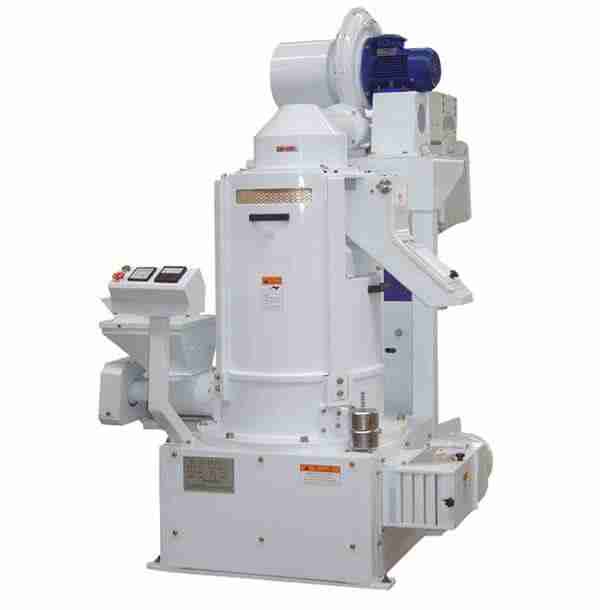
The Evolution of Rice Machinery: Innovations Shaping Modern Agriculture
The landscape of rice farming has undergone a significant transformation with the introduction of innovative machinery designed to enhance productivity and efficiency. Farmers are now equipped with advanced tools that streamline the complex process of rice cultivation, from sowing to harvesting. Key advancements include:
- Precision Planters: These machines ensure optimal seed placement, which maximizes growth potential and reduces waste.
- Modern Harvesters: Equipped with technology to monitor moisture content, these machines minimize losses and improve grain quality.
- Integrated Pest Management Systems: Machinery that combines agrochemical applications with precision targeting to protect crops while preserving beneficial insects.
The latest innovations are not just about speed but also sustainability. Smart irrigation systems have emerged, enabling farmers to conserve water while maintaining healthy crops. Furthermore, the use of data analytics has become prevalent, allowing farmers to make informed decisions based on real-time data collected by sensors. An overview of some noteworthy advancements includes:
| Innovation | Impact |
|---|---|
| Drone Technology | Improves crop monitoring and pesticide application efficiency. |
| Biotechnology | Develops disease-resistant rice varieties that increase yield. |
| Vertical Farming Machines | Facilitates rice cultivation in urban environments, maximizing limited space. |

Enhancing Efficiency: How Advanced Equipment Streamlines Rice Production
The infusion of advanced machinery into rice production has revolutionized how farmers approach their harvest. With state-of-the-art equipment, tasks that once required extensive labor and time are now completed with remarkable speed and precision. Tractors equipped with high-efficiency engines race through fields, allowing for faster plowing and planting, while modern rice harvesters eliminate the need for extensive manual labor by swiftly gathering crops. This synergy of technology not only boosts productivity but also ensures that farmers can allocate their time to other critical aspects of farming.
Some key advancements in equipment that enhance efficiency include:
- Precision Planters – These machines optimize seed placement, ensuring correct spacing which promotes growth and reduces waste.
- Automated Irrigation Systems - They maximize water use by employing sensors that respond to moisture levels, promoting healthy crops while conserving water.
- Rice Transplanters – These machines streamline the transplanting process by evenly spacing seedlings, which is crucial for yield.
Moreover, the integration of digital technology into agriculture has also enabled more informed decision-making. Farmers are now utilizing data analytics and GPS technology, allowing for precise tracking of crop health, soil conditions, and yield forecasts. This data-driven approach ensures that interventions are timely and targeted, ultimately leading to improved productivity and sustainability.
Here’s a glimpse at some important metrics influenced by such technological advancements:
| Aspect of Production | Traditional Methods | Advanced Equipment |
|---|---|---|
| Labor Hours per Acre | 40 hours | 15 hours |
| Water Usage | 50,000 liters | 30,000 liters |
| Yield per Hectare | 4 tons | 8 tons |
Sustainability in Focus: Eco-Friendly Practices in Rice Machinery Usage
As the agricultural sector evolves, the integration of eco-friendly practices within rice machinery usage emerges as a vital consideration for sustainable farming. Modern rice machinery now incorporates innovative designs that focus on minimizing environmental impact while enhancing efficiency. This shift not only helps in reducing carbon footprints but also ensures the conservation of natural resources. Innovative solutions include:
- Energy-Efficient Engines: Machinery equipped with advanced engines that consume less fuel, reducing emissions and operational costs.
- Smart Irrigation Systems: Precision irrigation technologies that optimize water usage, promoting healthy crop growth while conserving water resources.
- Biodegradable Materials: Usage of eco-friendly materials in construction that minimize plastic waste and environmental degradation.
Furthermore, the analytics-driven approach in modern rice machinery allows farmers to monitor their practices and make informed decisions that align with sustainability goals. Data analytics can track resource usage, enabling farmers to identify wasteful practices and improve their operational efficiency. Adoption of such technology creates a pathway for:
| Eco-Friendly Practices | Benefits |
|---|---|
| Reduced Fuel Consumption | Lower greenhouse gas emissions |
| Organic Fertilizer Application | Improved soil health and biodiversity |
| Crop Rotation Techniques | Enhanced soil fertility and reduced pests |
With these advancements, rice machinery is poised to play a crucial role in transforming agricultural practices into a model of sustainability, providing farmers with the tools they need to cultivate responsibly and efficiently. Through the synergy of technology and eco-conscious practices, the future of rice production is not just productive but also green.
Future Trends: Embracing Technology for Improved Crop Yield and Quality
As we move forward into a new era of agricultural innovation, embracing technology is crucial for maximizing crop yield and enhancing the quality of grains. Advanced machinery is transforming traditional rice farming practices, enabling farmers to make data-driven decisions that lead to better productivity. Precision agriculture techniques, such as soil sensors and drone analytics, are becoming common tools in the field, allowing for real-time monitoring of crop health and soil conditions. This shift toward a technology-driven approach not only optimizes resource allocation but also contributes to sustainability by minimizing waste and reducing environmental impact.
Investing in modern rice machinery opens up opportunities for farmers to harness the full potential of their land. With innovative equipment, such as automated transplanting machines, harvesters, and post-harvest handling systems, the efficiency of rice production has reached new heights. These machines facilitate precise planting depths, rapid harvesting, and careful grain processing, thus improving grain quality. Below is a comparison of traditional and modern rice machinery regarding efficiency and yield:
| Machinery Type | Efficiency Rate | Average Yield Increase |
|---|---|---|
| Traditional Methods | 70% | 10% |
| Automated Harvesters | 90% | 30% |
| Precision Planters | 85% | 25% |
Moreover, the integration of smart farming technologies, such as artificial intelligence and IoT devices, allows farmers to analyze vast amounts of data to improve production practices. By utilizing these insights, they can predict crop yields, manage pests better, and optimize irrigation schedules. The continuous evolution of rice machinery signifies a promising future for agriculture, where technology and nature can synergize for improved living standards and food security across the globe.
Final Thoughts
the evolution of rice machinery represents more than just technological advancement; it signifies a vital transformation in the agricultural landscape. As we have explored, these innovations not only streamline production and enhance efficiency but also empower farmers to adapt to the challenges of a changing climate and growing global demands. The journey of grains—particularly rice, a staple food for billions—is intricately linked to the machines that facilitate their cultivation and processing. As agriculture continues to evolve, embracing automation and mechanization will be essential in ensuring food security and sustainability. With each piece of machinery, we are not just investing in efficiency; we are investing in a future where every grain tells a story of resilience, innovation, and hope for generations to come. The dialogue around transforming grains will continue, and it is through this ongoing conversation that we can appreciate the delicate interplay between tradition, technology, and the essence of our agricultural heritage.




