
Rice polishing, often considered a mundane step in the rice production process, holds within it a world of transformative potential. As grains transition from their rough, unrefined state to a polished, gleaming finish, the true magic of rice polishing unfolds. In this article, we will explore how this seemingly simple process enhances the quality of grains, elevating rice from a staple food to a culinary masterpiece. Join us on a journey to uncover the hidden wonders of rice polishing and discover the untapped potential lurking within each polished grain.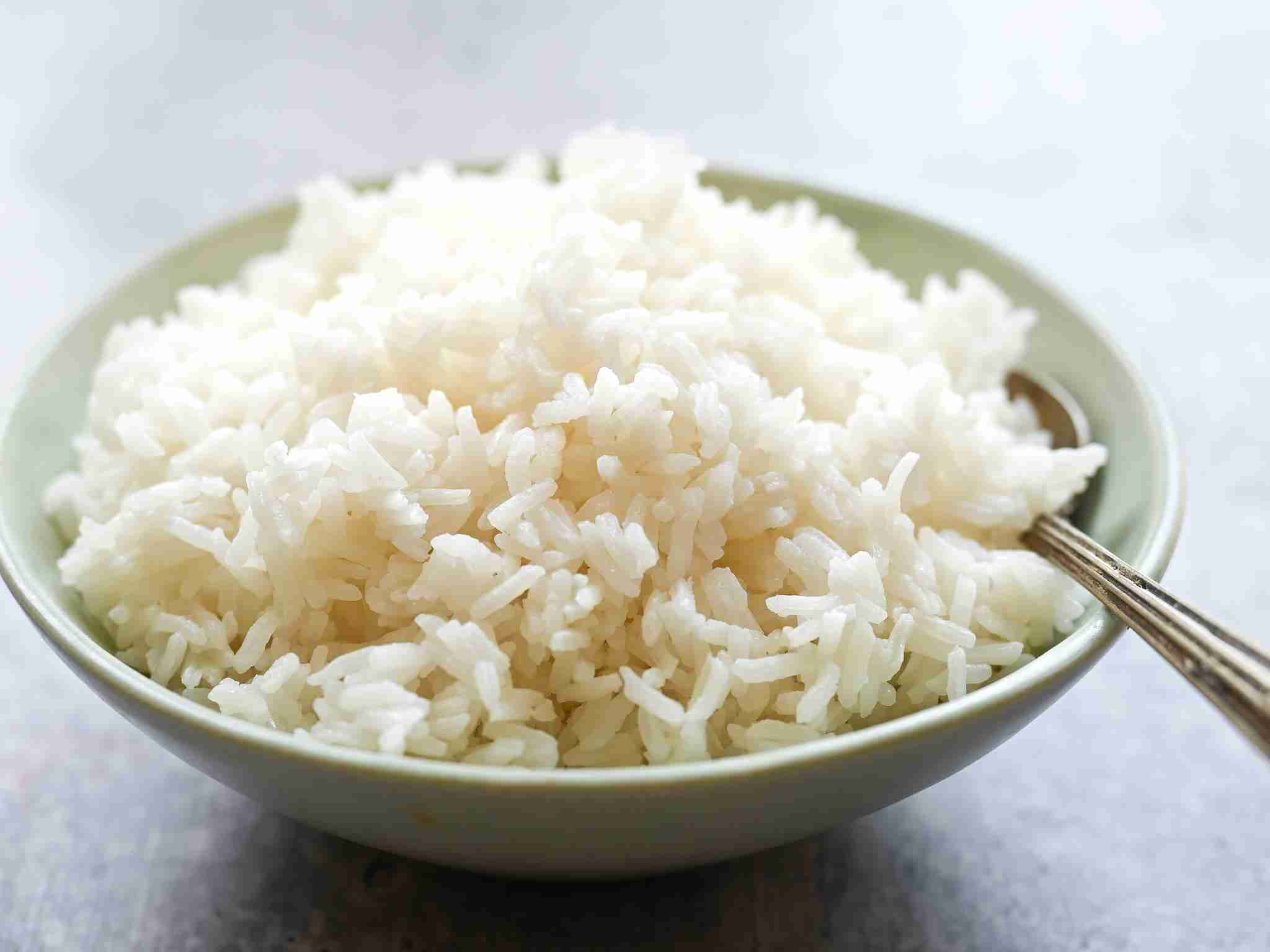
Unveiling the Process of Rice Polishing
Rice polishing is a crucial step in rice processing that involves removing the outer layer of the rice grain, also known as the bran. This process not only enhances the appearance of the rice by giving it a shiny, white finish but also improves its taste and texture. The magic of rice polishing lies in the removal of impurities and unwanted elements, resulting in a higher quality grain that is coveted by rice connoisseurs around the world.
During the rice polishing process, the rice grains are carefully polished using a machine that gently removes the outer layers, revealing the inner core of the grain. This process helps to enhance the overall quality of the rice by removing any remaining impurities and ensuring a consistent texture. The end result is a polished rice grain that is not only visually appealing but also deliciously fragrant and flavorful, making it the perfect base for a wide variety of culinary dishes.
The Impact of Rice Polishing on Grain Quality
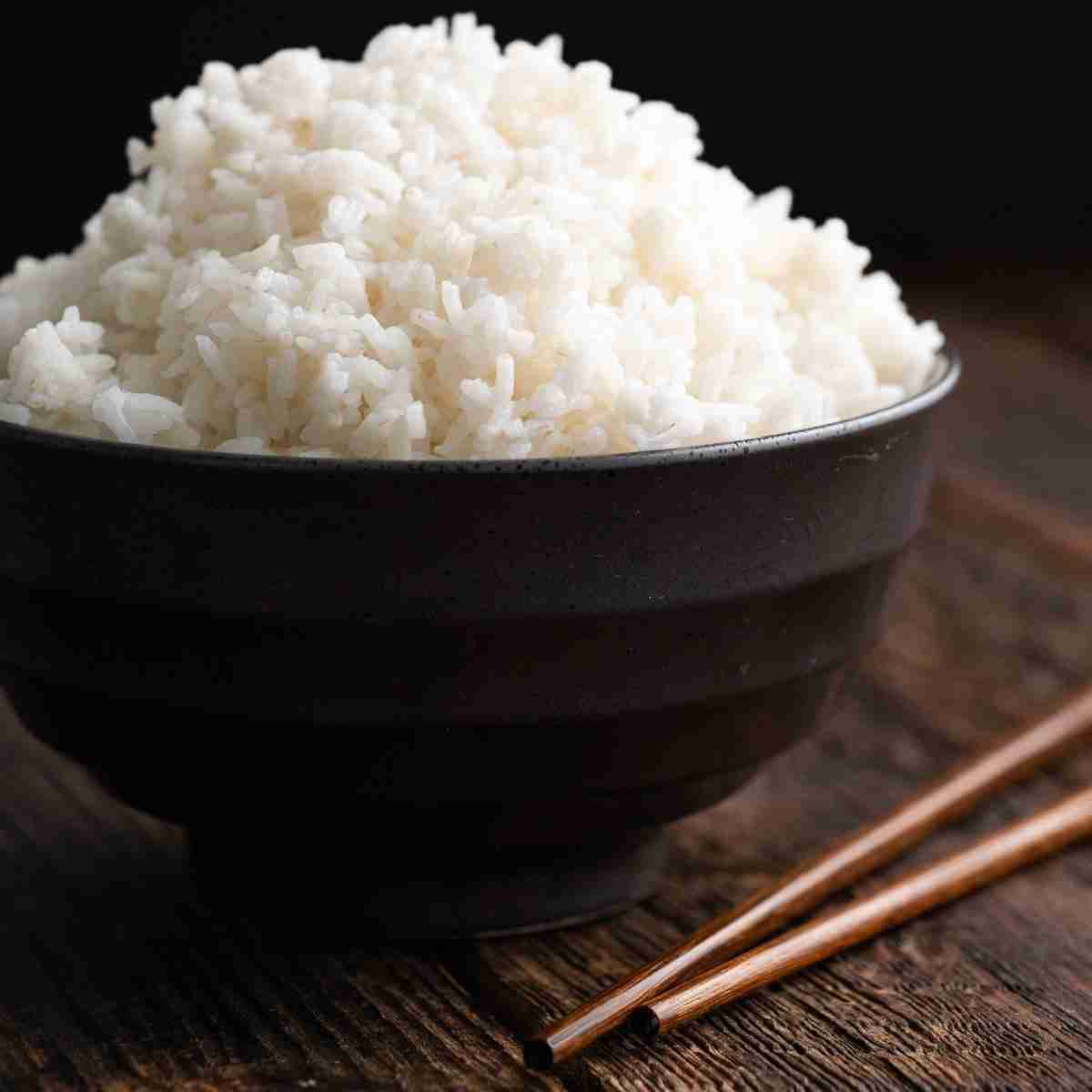
The process of rice polishing plays a crucial role in enhancing the quality of grains and ensuring that the end product meets high standards. By removing the outer layer of the rice grain, known as the bran, polishing helps to improve the appearance, texture, and taste of the rice. This results in grains that are more visually appealing, have a smoother texture, and cook more evenly.
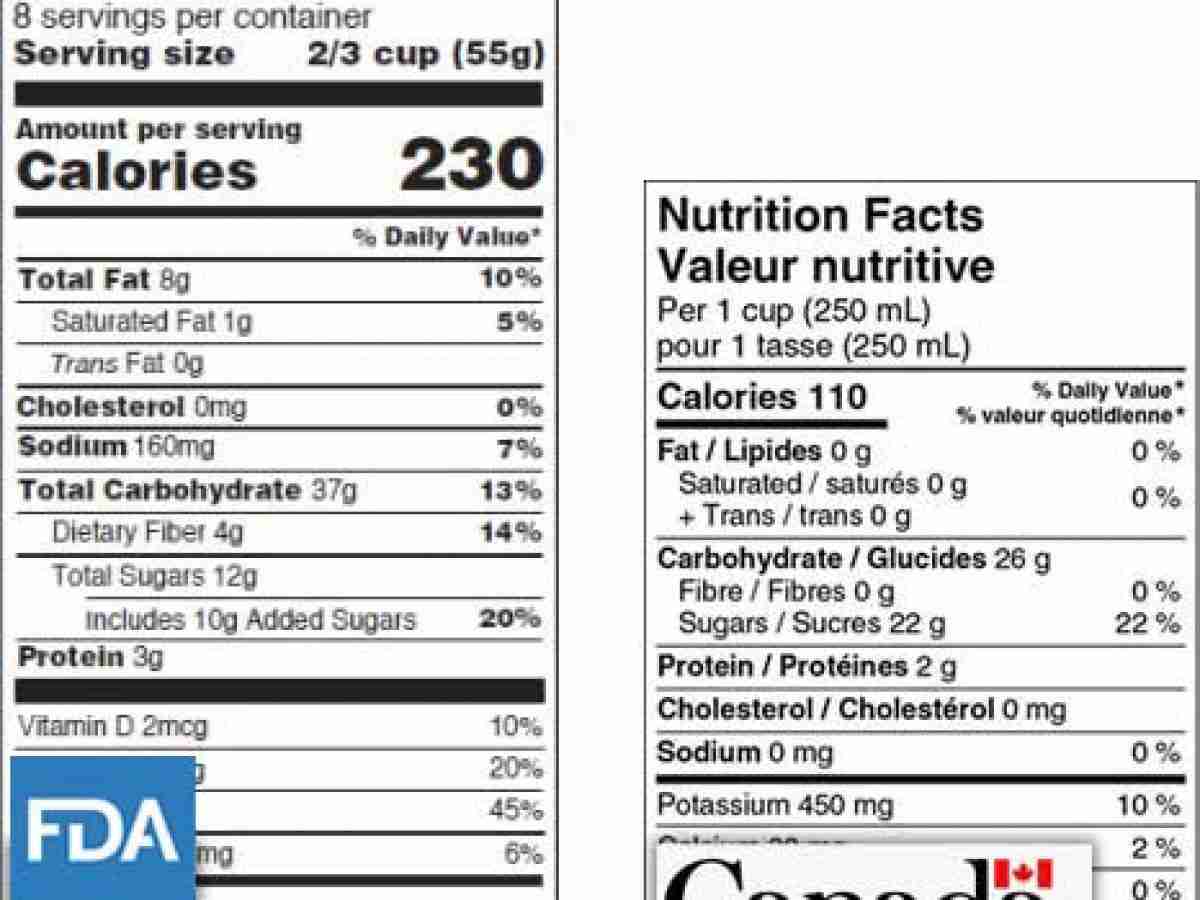
Rice polishing also has a significant impact on the nutritional value of grains. While the outer layer of the rice grain contains key nutrients such as fiber and vitamins, it also contains compounds that can affect the shelf life and cooking properties of the rice. By removing the bran through polishing, rice can be fortified with essential nutrients such as iron and folate, making it a more nutritious option for consumers. Additionally, polishing helps to extend the shelf life of rice by reducing the presence of oils that can turn rancid over time.
Maximizing Nutritional Value through Rice Polishing
Rice polishing is a process that involves removing the outer layers of rice grains to reveal the inner nutrient-rich core. By polishing rice, the bran and germ layers are stripped away, resulting in a grain that is higher in nutritional value. This process not only enhances the appearance of the rice by giving it a shiny and polished look but also improves its taste and texture.
During rice polishing, various nutrients are retained in the inner core of the grain, making it a more nutritious option compared to unpolished rice. Some of the essential nutrients that are preserved through rice polishing include **fiber**, **vitamins**, and **minerals**. By maximizing the nutritional value of rice through polishing, consumers can enjoy a healthier and more satisfying meal experience.
Recommendations for Optimal Rice Polishing Techniques
When it comes to achieving optimal rice polishing techniques, there are several recommendations that can help enhance the quality of grains. One key factor to consider is the type of rice being used, as different varieties may require slightly different polishing methods. Additionally, the equipment used for polishing plays a crucial role in determining the final outcome of the grains.
Some recommendations for achieving optimal rice polishing techniques include:
- Adjusting polishing time and pressure to ensure uniform polishing and minimal breakage of grains.
- Regularly cleaning and maintaining polishing equipment to prevent contamination and ensure consistent results.
- Testing different polishing methods to determine the most effective technique for the specific type of rice being processed.
The Way Forward
In conclusion, the process of rice polishing may seem simple, but its impact on the quality of grains is truly magical. By removing the outer layers of the rice kernel, we reveal a hidden beauty that enhances both the taste and texture of this humble grain. So next time you enjoy a bowl of perfectly cooked rice, remember the importance of this ancient practice that continues to elevate the dining experience for countless people around the world. Embrace the magic of rice polishing and savor every delicious bite.




