
In the world of culinary delights, few ingredients shine as brightly as rice. But what exactly gives this humble grain its characteristic glow? Enter the unsung hero of the rice world – the rice polisher. In this article, we delve into the fascinating role of this often overlooked machine and the impact it has on the final product we all know and love. Join us on a journey of discovery as we explore the intricate relationship between rice, the rice polisher, and the art of perfecting this staple food.
Heading 1: Importance of Rice Polishing in Enhancing Appearance and Flavor
Rice polishing plays a crucial role in not only enhancing the appearance but also the flavor of rice. When rice is polished, the outer layer, called the bran, is removed to reveal the shiny and translucent inner grain. This process not only gives rice a more appealing look but also helps to remove any impurities that may affect its taste.
Furthermore, polishing rice helps to improve its texture and aroma. The removal of the bran allows the rice to cook more evenly and absorb flavors better, resulting in a more flavorful and aromatic dish. Additionally, polished rice tends to have a slightly softer and fluffier texture, making it more enjoyable to eat. Overall, the role of the rice polisher should not be underestimated, as it is essential in bringing out the best in this staple food.

Heading 2: The Science Behind Rice Polishing: How It Works
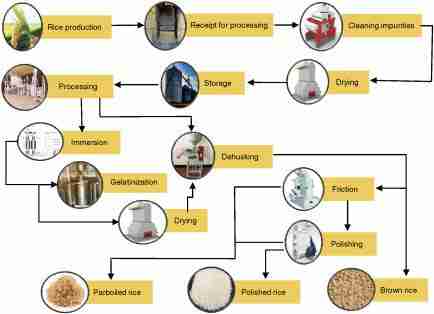
Rice polishing is a crucial step in the production of white rice, ensuring that each grain is shiny and free from impurities. The process involves removing the outer layer of the rice grain, known as the husk, bran, and germ, to reveal the polished inner core. This is achieved through the use of a rice polisher machine, which gently removes the outer layers while preserving the essential nutrients and flavor of the rice.
The science behind rice polishing lies in the friction and pressure applied to the rice grains as they pass through the polisher. The abrasive surfaces inside the machine help to scrub away the outer layers, revealing the lustrous core of the grain. This not only improves the appearance of the rice but also enhances its texture and taste. The result is a beautifully polished rice grain that is sure to shine bright on any dining table.
Heading 3: Factors to Consider When Choosing a Rice Polisher
When selecting a rice polisher, it is essential to consider several key factors to ensure you choose the right one for your needs. One crucial factor to consider is the capacity of the polisher. Determine how much rice you will need to polish regularly to select a machine that can handle your workload. Another important factor is the polishing ratio. Look for a polisher that can achieve the level of polishing you desire, whether it is a light shine or a high gloss finish.
Additionally, consider the size and footprint of the rice polisher. Make sure you have enough space in your facility to accommodate the machine and that it is easy to access for maintenance and cleaning. It is also essential to consider the power consumption and efficiency of the polisher to ensure it is cost-effective in the long run. Finally, think about the ease of use and maintenance requirements of the polisher to ensure smooth operation and minimal downtime.
Heading 4: Tips for Maintaining and Cleaning Your Rice Polishing Machine
When it comes to maintaining and cleaning your rice polishing machine, there are a few key tips to keep in mind to ensure it continues to operate efficiently. Firstly, regularly inspect the machine for any signs of wear and tear, such as loose screws or damaged parts. This can help prevent further damage and extend the lifespan of your machine. Secondly, be sure to follow the manufacturer’s guidelines for cleaning and maintenance, as different machines may require specific care.
Additionally, it’s important to clean your rice polishing machine after each use to prevent any build-up of rice or debris that could affect its performance. Use a soft cloth or brush to gently remove any residue, being careful not to damage any sensitive parts. Lastly, consider investing in a maintenance schedule to stay on top of any necessary repairs or adjustments, ensuring your machine remains in top condition for years to come.
In Summary
In conclusion, the rice polisher plays a crucial role in transforming ordinary rice grains into gleaming gems that not only look visually appealing but also boast enhanced nutritional value. Its contribution to the world of culinary delights cannot be understated, as it brings out the natural beauty and goodness of rice in every grain. So, the next time you enjoy a fragrant bowl of fluffy white rice, remember to give thanks to the unsung hero behind its shimmering perfection – the humble rice polisher.




