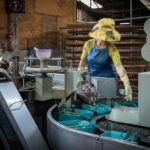
In the heart of countless cuisines around the globe, rice stands as a staple, a humble grain that nourishes billions. Yet, the journey from paddy to plate is often a complex one, marked by conventional methods that have remained unchanged for decades. As the demand for quality and efficiency in food production escalates,innovation has emerged as a vital catalyst for conversion. Enter the world of jet rice polishers—a groundbreaking technology that is reshaping the way rice is processed and prepared. Harnessing the power of precision engineering, these machines promise not only to enhance the appearance and texture of rice but also to preserve it’s nutritional integrity. In this article, we explore the intricacies of jet rice polishers, uncover thier impact on the agricultural value chain, and consider how this revolution is setting the stage for a new era in rice production. Join us as we delve into the mechanics of this innovation, shedding light on its potential to redefine the role of rice in our diets and economies.
Emerging Technologies in Rice Polishing
the landscape of rice polishing is witnessing transformative changes, primarily driven by cutting-edge technologies designed to enhance efficiency and preserve the rice’s nutritional value. Jet rice polishers exemplify this innovation, utilizing high-velocity air jets to remove husk and bran layers with minimal grain breakage. Unlike traditional methods, which often rely on abrasive friction, jet polishers harness the power of air to create a gentler yet effective polishing process. The advantages of this technology are profound:
- Reduced Broken Grain Rate: Air jets minimize physical contact, ensuring that the rice grains maintain their integrity.
- Enhanced Nutritional Retention: With less exposure to heat and friction, the nutritional content remains intact, preserving essential vitamins and minerals.
- Increased Efficiency: Automated processes lead to faster production cycles, accommodating larger volumes without compromising quality.
Quicker processing times are complemented by advancements in smart technology, enabling real-time monitoring of the polishing process. These state-of-the-art machines are equipped with sensors and IoT capabilities to analyze grain properties, adjusting air pressure and flow as needed. The integration of data analytics allows producers to optimize their operations further. Key benefits include:
| Benefit | Description |
|---|---|
| Cost Efficiency | Lower energy consumption due to optimized processing. |
| Consistency | Uniform polishing leads to higher product quality. |
| Environmental Impact | Less waste generated compared to traditional methods. |
With these innovations,the future of rice polishing is increasingly automated,efficient,and aligned with sustainability goals. As producers adopt these new technologies, they contribute to a more resilient food supply chain while ensuring that consumers receive the highest quality rice possible.

Enhancing Nutritional Value Through Innovation
In an era where health consciousness is at the forefront of consumers’ minds,the advent of innovative technologies has the power to significantly enhance the nutritional profile of staple foods. One such breakthrough is the introduction of jet rice polishers, designed not merely to refine the appearance of rice but to bolster its nutritional content. Unlike traditional polishing methods which frequently enough strip rice of its beneficial nutrients, jet polishers utilize targeted air blasts to delicately remove the outer husk while preserving vital vitamins and minerals, such as B vitamins and fiber. This innovation ensures that each grain of rice not only looks appealing but also remains a nutritious choice for consumers.
Moreover, the versatility of jet rice polishing technology can lead to diverse product offerings tailored to specific dietary needs. By incorporating fortification technology, manufacturers can enhance rice with additional vitamins and minerals, creating products that align with health trends and provide enhanced health benefits. In addition,the use of sustainable practices during the polishing process reflects an understanding of environmental obligation,ensuring that families can enjoy nutritious meals without compromising quality or ethics. The potential to create customized rice variants—whether high in iron, enriched with folic acid, or coupled with omega-3 fatty acids—illustrates an innovative approach to everyday nutrition, transforming something as simple as rice into a crucial dietary asset.
| Feature | Traditional Polishing | Jet Rice polishing |
|---|---|---|
| Nutritional Preservation | Significantly reduced | Enhanced retention |
| visual Appeal | Standard shine | Sleek, high-quality finish |
| Environmental Impact | Higher waste | Lower waste through precision |
| Customization Opportunities | Limited | High |
Sustainability Benefits of Modern Rice Processing
The rise of modern rice processing technology, particularly through the use of jet rice polishers, has ushered in a new era of sustainability in the agricultural sector. This innovative approach not only enhances the milling process but also significantly reduces waste and energy consumption. the precision of jet polishing ensures that rice grains are polished effectively without excessive removal of nutrients, preserving their health benefits while optimizing yield. Moreover, this method diminishes the use of water compared to traditional polishing techniques, leading to a more sustainable water management practice in rice-producing areas where water scarcity is a pressing concern.
Along with improved resource efficiency, jet rice polishers also contribute to a more environmentally kind supply chain. By decreasing the generation of by-products and allowing for more complete utilization of the rice grain, these machines enhance overall productivity. The reduced energy demand associated with modern polished processes helps in lowering greenhouse gas emissions, contributing to a smaller carbon footprint for rice processing facilities. Here are some notable advantages:
- Minimized Water Usage: Reduced dependence on water during the polishing process.
- Waste Reduction: Lesser production of husk and bran,leading to efficient waste management.
- Enhanced Nutritional Retention: More nutrients are preserved in the rice, contributing to better food quality.
To give a clearer picture, the following table summarizes key comparisons with traditional rice processing methods:
| Feature | Traditional Polishing | Jet Rice Polishing |
|---|---|---|
| Water consumption | High | Low |
| Energy Usage | Higher | Lower |
| Waste Generation | Meaningful | Minimal |
| Nutritional Value | Variable | stable |
Practical Tips for Implementing Jet Rice Polishers in Operations
Integrating jet rice polishers into your operations can dramatically enhance both efficiency and quality. First and foremost, ensure that your team is well-trained in the operation of these elegant machines. It’s crucial to conduct hands-on training sessions that cover equipment setup, calibration, and maintenance practices. Furthermore, consider the following key points to facilitate smooth implementation:
- Assess your Requirements: Analyze the scale of your operations to determine the optimal capacity for your jet rice polishers.
- Quality Control: Establish metrics for quality assessment post-polishing to ensure consistency and exceed customer expectations.
- Regular Maintenance: Schedule routine maintenance checks to prolong the lifespan of your polishers and maintain high-quality output.
To effectively track the performance and impact of these machines, creating a systematic evaluation plan is advisable. This should include monitoring filter cleanliness, run times, and energy consumption. A simple yet effective way to organise this data is through the use of tables, enabling easy analysis over time:
| Performance Metric | Desired Outcome | Frequency of Review |
|---|---|---|
| Polished Rice Yield | Min.98% | Daily |
| Energy Usage | Optimize costs | Weekly |
| Machine Downtime | Less than 5% | Monthly |
By adhering to these strategies and continuously evaluating performance, your operations can maximize the benefits of jet rice polishers, leading to a more favorable position in the competitive rice market.
Concluding Remarks
the advent of jet rice polishers marks a significant turning point in rice processing technology, redefining efficiency and quality in an age where culinary standards and consumer expectations continuously evolve. As we peel back the layers of this innovative approach, it becomes evident that these modern machines do more than just remove the outer husk; they enhance the nutritional value, improve shelf life, and elevate the overall appeal of rice. By marrying tradition with innovation, jet rice polishers are not just polishing grains but are also polishing the future of rice production itself.As the industry continues to adapt and embrace change, we can only anticipate further advancements that promise to elevate our agricultural practices. In the world of food production, progress is not merely an option; it is an imperative, and with innovations like jet rice polishers, the possibilities seem limitless.