
In a world increasingly defined by innovation and efficiency, traditional methods are often outpaced by the wonders of modern technology. Among the many culinary staples that have undergone significant transformation, grains hold a special place in our kitchens and cultures. Enter the mini rice polisher machines—compact marvels of engineering that are redefining the way we process and enjoy rice. Gone are the days when rice polishing required cumbersome machinery and extensive labor. As these petite powerhouses emerge on the scene, they not only promise to enhance the quality of our grains but also aim to make the art of rice preparation accessible to everyone, from home cooks to aspiring chefs. This article delves into the rise of mini rice polisher machines, exploring their impact on the agricultural landscape, their role in elevating culinary experiences, and the promise they hold for the future of grain processing. Join us as we uncover how these innovative devices are revolutionizing the world of grains, one polished kernel at a time.
The Evolution of Rice Polishing Technology
The journey of rice polishing technology has seen remarkable advancements, transforming the way rice is prepared and presented to consumers. Traditionally, the process of polishing rice involved labor-intensive methods that not only made the grains glossy but also significantly reduced their nutritional quality by removing the bran layer. Over the years, machinery has revolutionized this process, focusing not just on aesthetics but on preserving the health benefits of rice. Current mini rice polishers, with their precision engineering and innovative designs, have emerged as game-changers. These machines offer an ideal balance between polishing and retaining essential nutrients, facilitating the demand for healthier rice options.
Modern rice polishers utilize a variety of cutting-edge technologies to enhance their performance, featuring multiple polishing chambers, adjustable speed settings, and automated cleaning systems. Their compact design makes them suitable for small-scale operations and individual households, ensuring convenience without sacrificing efficiency. Key benefits of these machines include:
- Time Efficiency: Faster polishing compared to traditional methods.
- Energy Savings: Designed to consume less power while performing optimally.
- Improved Quality: Consistent results that enhance the visual appeal of rice.
As the global food landscape evolves alongside technological innovations, it’s essential to consider the impact of these advancements. The table below summarizes the features of various rice polishing machines available on the market today:
| Machine Type | Capacity (kg/hr) | Features |
|---|---|---|
| Mini Polisher A | 50 | Compact, User-friendly, Low noise |
| Mini Polisher B | 100 | High efficiency, Adjustable settings |
| Mini Polisher C | 200 | Automated cleaning, Durable materials |
reflects a shift towards more efficient, user-friendly, and health-conscious solutions, allowing both consumers and producers to enjoy high-quality rice that meets modern dietary standards.
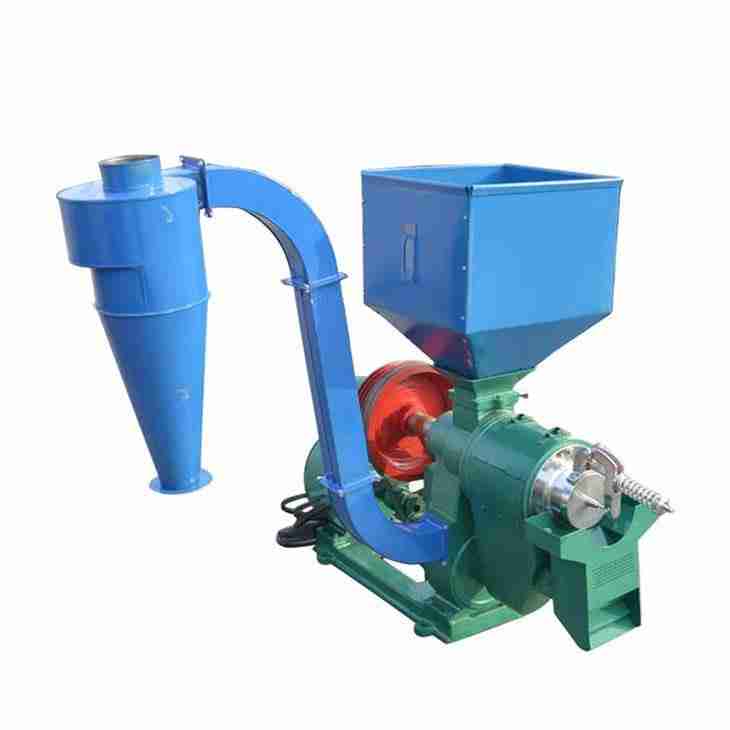
Advantages of Mini Rice Polishers in Modern Grain Processing
Mini rice polishers are transforming the way grain processors approach the milling process by offering efficiency and precision that larger machines often cannot match. These compact machines are specifically designed to meet the needs of small to medium-sized operations, allowing them to compete with larger mills without the significant investment typically required for full-scale equipment. The streamlined design not only saves valuable floor space but also reduces energy consumption, making it a cost-effective choice for businesses looking to improve their bottom line. Additionally, the ease of operation and maintenance ensures that even operators with minimal experience can achieve optimal results, leading to enhanced productivity.
Moreover, the advanced technology incorporated into mini rice polishers leads to higher quality rice with better texture and taste. The ability to control polishing intensity means that millers can customize their output to meet consumer preferences, which is essential in today’s diverse market. Some additional advantages include:
- Improved kernel integrity: Less breakage during processing enhances overall yield.
- Minimized waste: Integrated dust collection systems help maintain cleanliness and reduce grain loss.
- Versatile applications: Suitable for various grains beyond rice, expanding market potential.
To illustrate the effectiveness of these machines, consider the following comparison of grain processing times and results between traditional polishers and mini rice polishers:
| Machine Type | Processing Time (minutes) | Yield (kg) |
|---|---|---|
| Traditional Polisher | 20 | 75 |
| Mini Rice Polisher | 15 | 80 |
This table highlights the efficiency of mini rice polishers, showcasing how they not only save time but also provide a higher yield, further cementing their role as a vital tool in modern grain processing.
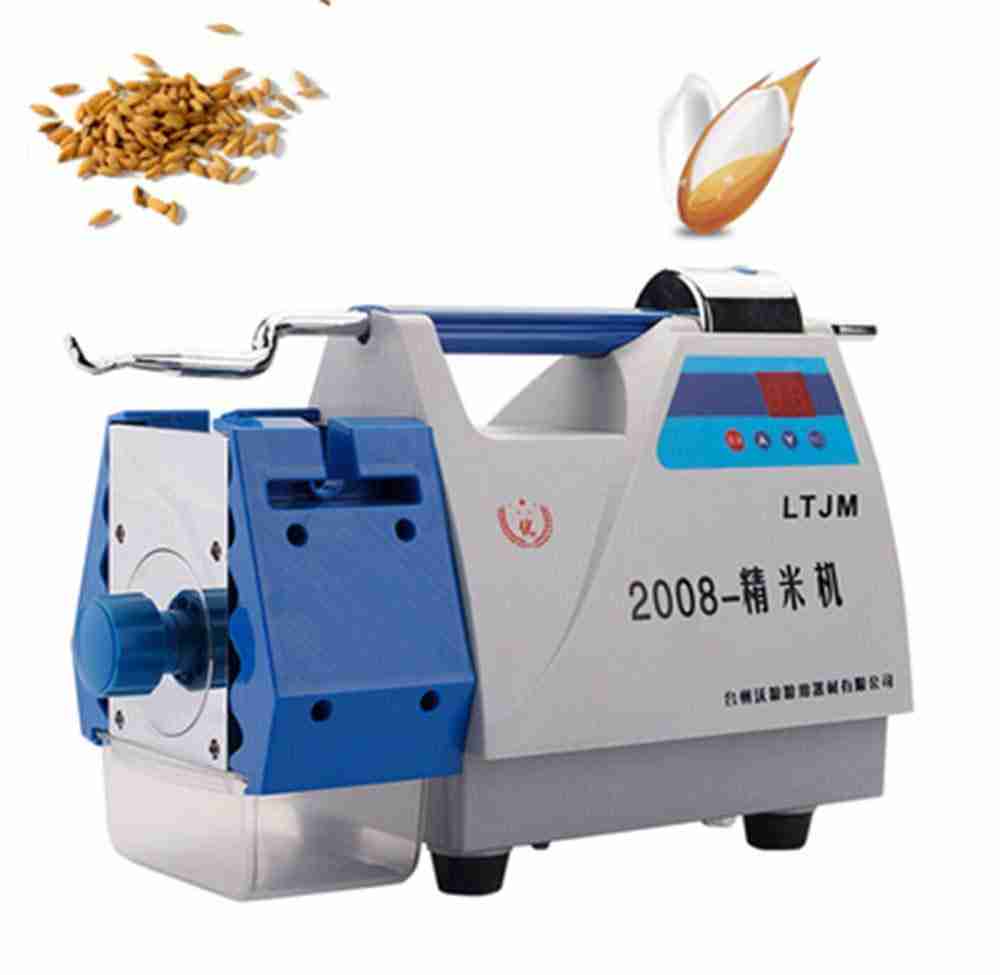
Choosing the Right Mini Rice Polisher for Your Needs
When it comes to selecting a mini rice polisher, understanding your specific requirements is vital. Consider the scale of your operations—whether you are a small household or a budding business—and how frequently you’ll require the machine. Portable models are excellent for home use where space is limited, while larger, more robust machines may be necessary for commercial purposes. Additionally, pay attention to the polishing capacity, which can range from just a few pounds for home use to several hundred pounds for larger setups, ensuring you won’t outgrow your equipment anytime soon.
Another essential aspect to explore is the features offered by different machines. Look for machines with adjustable polishing settings, as they allow for customization based on the type of rice and desired finish. Furthermore, consider energy efficiency and ease of cleaning, as these factors contribute to the overall sustainability of your operation. To help you better understand the options available, here’s a simple comparative table:
| Model | Capacity (lbs) | Power (W) | Features |
|---|---|---|---|
| Home Polisher | 2 | 300 | Compact, Simple Operation |
| Commercial Polisher | 30 | 2000 | Multi-Setting, Energy Efficient |
| Eco-Friendly Polisher | 5 | 400 | Low Energy, Easy Clean |
Future Trends in Grains and the Role of Innovative Machinery
Innovative machinery, particularly mini rice polisher machines, is on the forefront of revolutionizing grain processing. These compact yet powerful devices are designed to enhance the efficiency and quality of processed rice while reducing energy consumption. As farmers and producers seek to meet increasing global demand for rice, such machines offer a balance between maintaining traditional farming practices and embracing modern technology. The adaptability of these machines means they can be deployed in diverse settings, from small-scale family farms to larger agricultural operations, thereby democratizing access to advanced processing solutions across various regions.
The future of grain processing will be characterized by smart technology integration and sustainable practices. Mini rice polishers often feature automatic calibration systems, ensuring optimal polishing without the excessive loss of rice kernel during the process. This contributes to both economic benefits and waste reduction. Modern designs are also focusing on user-friendly interfaces and maintenance-free operations, making them accessible even for those without extensive technical knowledge. As the agricultural sector continues to evolve, the embrace of innovative machinery like mini rice polishers will play a crucial role in improving product quality, enhancing productivity, and ensuring environmental sustainability.
| Feature | Benefit |
|---|---|
| Automatic Calibration | Minimizes waste and optimizes polishing |
| Energy Efficiency | Reduces operational costs |
| User-Friendly Design | Accessible for all skill levels |
| Compact Size | Ideal for small and medium-sized farms |
To Wrap It Up
As we delve into the transformative world of mini rice polisher machines, it becomes evident that these innovations are not merely machines; they are catalysts for change in the grain processing industry. With their compact design and efficiency, they empower small-scale farmers and entrepreneurs to enhance the quality of their products, paving the way for economic growth and sustainability. The rise of these machines signifies a shift towards modernization in agriculture, bridging traditional techniques with cutting-edge technology.
As we move forward, the impact of mini rice polishers extends beyond the confines of the mill; it resonates through communities, economies, and ecosystems. Embracing this revolution means embracing a future where improved livelihoods and sustainable practices coexist harmoniously. The journey of grains, from field to plate, is evolving—ushering in a new era of opportunity and innovation. Ultimately, the rise of mini rice polisher machines is a reminder that in the world of agriculture, even the smallest change can lead to significant results. As we continue to explore these advancements, we look forward to witnessing how they will shape the landscape of grain processing in the years to come.




