
In the heart of agricultural innovation, where tradition meets technology, a new player has emerged to transform the world of grain processing: the Mini Rice Polisher Machine. This compact marvel stands at the intersection of efficiency and sustainability, promising to redefine how we approach rice polishing in both small-scale and commercial operations. As the global demand for high-quality rice continues to rise, the quest for methods that preserve flavor while optimizing texture has never been more critical. This article will explore the features and benefits of this cutting-edge machine, examining its potential to revolutionize grain processing and enhance food quality across diverse markets. Join us as we delve into the intricacies of the Mini Rice Polisher Machine, a small yet powerful tool poised to make a significant impact on the rice industry.
Transforming Rice Production Efficiency with Innovative Technology
The advent of the Mini Rice Polisher Machine has ushered in a new era of rice production, combining efficiency with cutting-edge technology. This innovative device is designed to enhance grain polishing, leading to superior quality rice while reducing waste. With its compact size and user-friendly interface, farmers and millers alike can easily integrate this machine into their operations. Key attributes of the Mini Rice Polisher include:
- High polishing rate: Achieves optimal grain luster.
- Energy-efficient design: Lowers electricity consumption.
- Versatile application: Suitable for various rice types.
Furthermore, the Mini Rice Polisher is equipped with advanced features that ensure consistent performance. The integration of smart sensors allows for real-time monitoring and adjustments during the polishing process, resulting in uniform quality across batches. A comparative analysis of production metrics before and after adopting this technology illustrates its impact:
| Metric | Before Mini Polisher | After Mini Polisher |
|---|---|---|
| Polishing Time (hrs) | 4 | 2 |
| Rice Yield (%) | 70 | 85 |
| Energy Consumption (kWh) | 50 | 30 |
the Mini Rice Polisher Machine serves as a testament to how technology can transform agricultural practices, ultimately leading to higher productivity and better-quality rice that meets consumer demands.
Enhancing Grain Quality Through Precision Polishing Techniques
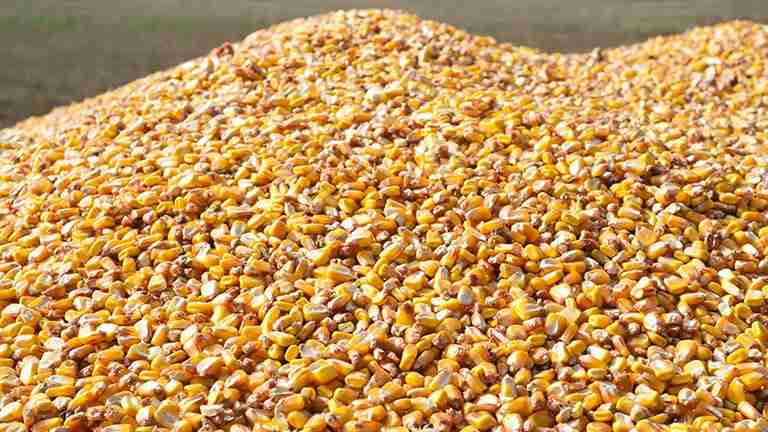
Precision polishing techniques have emerged as a game changer in the milling industry, targeting the enhancement of grain quality. Unlike traditional methods, these innovative approaches allow millers to achieve a superior finish on rice grains, improving not only their appearance but also their nutritional value. Mini rice polisher machines play a crucial role in this transformation, employing advanced technology to minimize grain damage while maximizing output. By carefully controlling the polishing environment, such as adjusting the speed and pressure, these machines ensure a consistent and optimal finish that meets the demands of today’s discerning consumers.
Key benefits of using precision polishing techniques include:
- Increased Grain Yield: Minimizing broken grains leads to higher marketable yields.
- Improved Nutritional Content: Gentle handling conserves essential nutrients.
- Enhanced Visual Appeal: Polished grains attract consumers with their glossy finish.
- Sustainability: Reduced waste during the polishing process contributes to eco-friendly practices.
Moreover, the integration of these sophisticated machines into existing milling operations is seamless. The technological advancements in mini rice polishers allow for easy adjustments and calibrations, enabling millers to fine-tune the process according to specific grain varieties. This adaptability, coupled with user-friendly interfaces, ensures that even smaller operations can reap the benefits of high-quality grain processing. As the focus on premium food products continues to rise, investing in precision polishing will not only enhance the quality of grain but also solidify a brand’s reputation in the competitive market.

Sustainable Practices in the Use of Mini Rice Polisher Machines
The advent of mini rice polisher machines has introduced a wave of sustainable practices in rice processing that not only enhance efficiency but also emphasize environmental stewardship. By using these compact machines, small-scale farmers and processors can significantly reduce rice waste and energy consumption compared to larger, traditional equipment. Some of the sustainable practices associated with mini rice polishers include:
- Reduced Water Usage: Mini rice polishers often require less water for cleaning rice, conserving one of our most vital resources.
- Minimized Energy Consumption: Designed for efficient operation, these machines consume less electricity, decreasing overall carbon footprint.
- Waste Reduction: The precision of mini rice polishers allows for maximum yield with minimal leftover husk and bran, promoting a zero-waste approach.
Furthermore, the compact nature of these machines means they can be operated in smaller facilities, reducing the need for extensive factory space and limiting the environmental impact associated with larger production units. They also promote local sourcing by enabling farmers to process their own rice, which reduces transportation emissions. Key benefits of adopting mini rice polishers in communities include:
| Benefit | Description |
|---|---|
| Local Empowerment | Enables farmers to process rice, fostering self-sufficiency. |
| Economic Growth | Supports small business operations, stimulating local economies. |
| Food Security | Enhances access to processed rice, bolstering community resilience. |
Key Features and Recommendations for Optimal Performance
The Mini Rice Polisher Machine boasts an array of key features designed to enhance its efficiency and user-friendliness. With its compact design, it fits seamlessly into small kitchens and production spaces, allowing for ease of use without sacrificing performance. High polishing capacity ensures that users can process large quantities of rice in minimal time, maximizing productivity. Additionally, the machine employs advanced polishing technology, which enhances the rice’s color and texture while retaining essential nutrients, making it a crucial asset for any grain processing operation.
To ensure optimal performance, users are encouraged to follow specific recommendations. Regular maintenance is vital; this includes cleaning the internal components and checking for wear and tear to keep the machine operating at peak efficiency. Furthermore, adjusting the polishing time according to the rice variety can prevent over-polishing, thus preserving the grain’s quality. Below is a concise overview of maintenance tasks and their frequency:
| Maintenance Task | Frequency |
|---|---|
| Clean Internal Components | Weekly |
| Check Belts and Seals | Monthly |
| Lubricate Moving Parts | Every Three Months |
Final Thoughts
As we stand on the brink of a new era in grain processing, the Mini Rice Polisher Machine emerges not merely as a tool, but as a catalyst for transformation. This marvel of engineering marries tradition with innovation, ensuring that every grain is polished to perfection while preserving the rich heritage of rice milling. Whether adopted by small-scale farmers or large agricultural operations, this compact powerhouse promises to enhance efficiency, improve quality, and empower countless communities reliant on rice production. As we embrace this technological advancement, we invite you to envision a future where agriculture flourishes, sustainability triumphs, and every kernel reflects the care and craftsmanship invested in it. The revolution is here, and it begins with the humble yet mighty Mini Rice Polisher Machine—a symbol of progress in the world of grain.




