
Polishing Perfection: The Innovation of Jet Rice Polishers
In the heart of the agricultural landscape, where tradition meets technology, a silent revolution is taking place—one that is reshaping the way we process one of the world’s staple foods: rice. Enter the Jet Rice Polisher, an innovative machine that marries precision engineering with age-old practices to produce rice that gleams with purity and quality. As the global demand for high-quality grains soars, these sophisticated devices are not only enhancing the visual appeal of rice but also improving its nutritional value and shelf life. This article embarks on a journey through the evolution of rice polishing technology, exploring the intricate mechanics of jet rice polishers and the profound impact they’ve had on the industry. From local farmers to international markets, discover how this cutting-edge innovation is setting new standards in rice processing and paving the way for a more sustainable and refined agricultural future.
Exploring the Technology Behind Jet Rice Polishers
The advancement of jet rice polishers represents a significant leap in the agricultural technology space, merging efficiency with sustainability. At the heart of these epic machines is the jet puffing mechanism, which utilizes controlled steam to enhance the polishing process without compromising the grain’s nutritional value. This innovative approach minimizes the loss of essential vitamins and minerals typically associated with traditional polishing methods. With precision engineering, jet rice polishers maintain optimal operating temperatures, ensuring that each grain is evenly polished while achieving that signature glossy finish. Some key features include:
- Temperature Control: Advanced sensors monitor and adjust heat to protect nutrient integrity.
- Eco-Friendly Design: Uses less water and energy compared to conventional methods.
- High Throughput: Capable of processing large quantities without sacrificing quality.
The technology behind jet rice polishers is also characterized by its user-friendly interfaces and automated systems. Operators can easily program settings and monitor the process in real-time, allowing for consistent results and reduced labor costs. The integration of smart sensors enhances the machine’s capability to detect anomalies, ensuring grains are polished uniformly. Below is a simplified comparison of traditional rice polishing vs. jet polishing:
| Feature | Traditional Polishing | Jet Rice Polishing |
|---|---|---|
| Grain Protection | Medium | High |
| Efficiency | Moderate | High |
| Nutrient Preservation | Low | High |
This technological prowess not only elevates the quality of rice but also positions manufacturers to meet increasing global demand with integrity and responsibility. By shifting to jet rice polishers, producers are investing in a future that prioritizes nutrition while maintaining the rich traditions of rice processing.
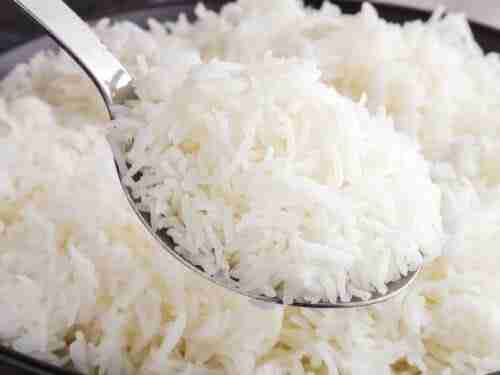
Enhancing Rice Quality Through Precision Polishing Techniques
In the quest for superior rice quality, precision polishing techniques have emerged as a revolutionary force in the grain processing industry. Unlike traditional methods that often compromise the integrity of the rice, modern jet polishers harness cutting-edge technology to achieve an unparalleled sheen while preserving nutritional benefits. These devices utilize finely calibrated jets of air or water to remove bran layers efficiently, producing a visually appealing grain that’s not only aesthetically pleasing but also enhances cooking properties.
Key benefits of precision polishing include:
- Improved texture: The process creates a consistent grain size, which leads to even cooking and better mouthfeel.
- Extended shelf life: By removing excess bran, the risk of spoilage due to rancidity diminishes significantly.
- Enhanced aroma: Less bran results in a purer rice aroma, making dishes more enjoyable.
For producers considering integrating jet polishing technology into their operations, understanding its impacts on quality control is vital. The following table outlines various rice polishing techniques, comparing their results in terms of quality, efficiency, and cost:
| Technique | Quality Output | Efficiency Level | Cost |
|---|---|---|---|
| Traditional Polishing | Good | Moderate | Low |
| Steam Polishing | Very Good | High | Moderate |
| Jet Polishing | Excellent | Very High | High |
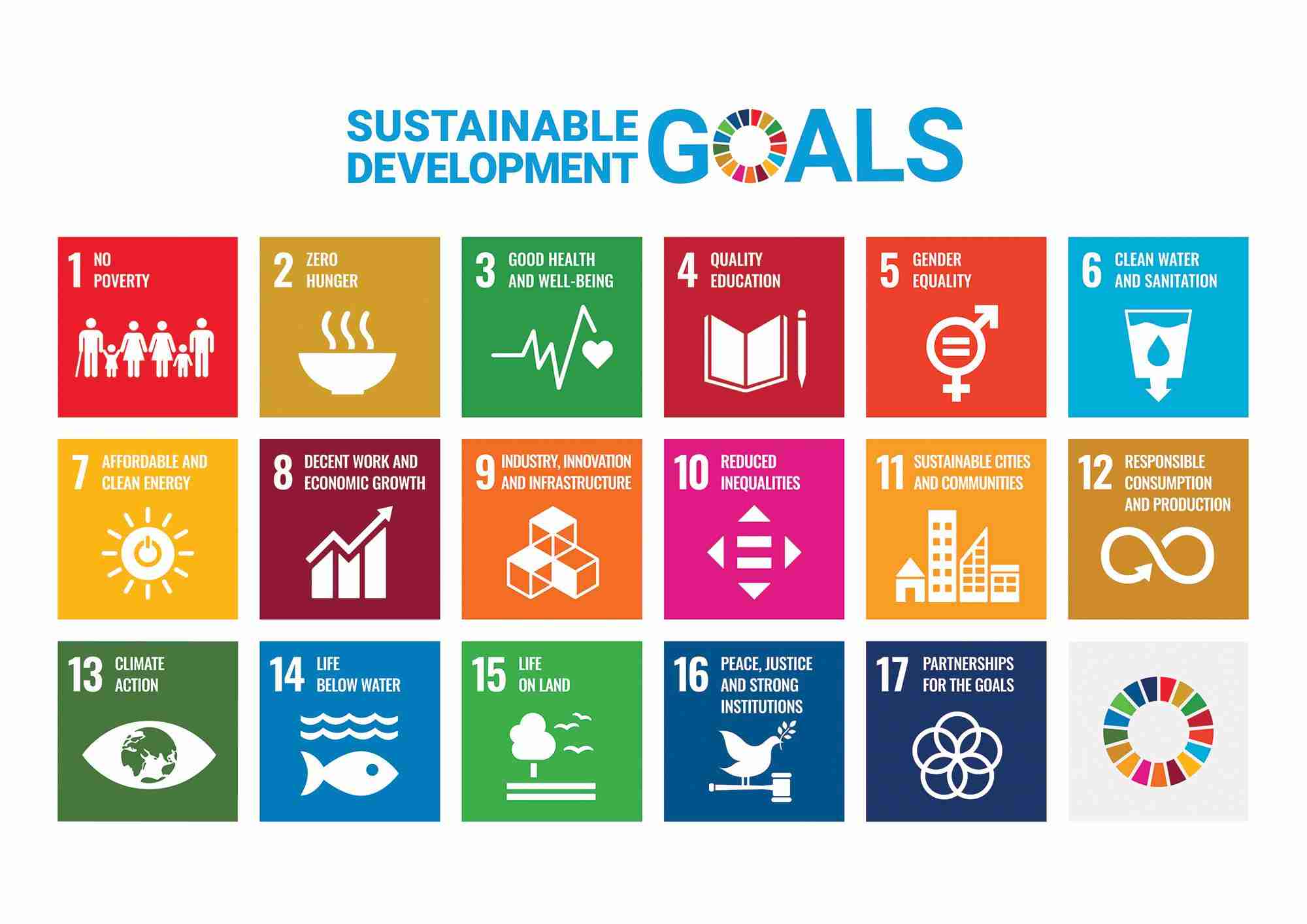
Sustainable Practices in Jet Rice Polishing Innovations
In recent years, the rice polishing industry has seen a significant shift towards sustainable practices aimed at minimizing environmental impact while enhancing the quality of the polished product. One innovative approach is the integration of eco-friendly materials in the manufacturing of jet rice polishers. By utilizing biodegradable compounds and recycled components, manufacturers are reducing their carbon footprint while maintaining the efficiency of their machines. This transition not only preserves natural resources but also promotes a circular economy within the agricultural sector.
Additionally, advancements in technology have led to improved energy efficiency of jet rice polishers, further contributing to sustainability. Modern designs optimized for reduced power consumption utilize renewable energy sources, such as solar or wind power, to operate machinery. Furthermore, the implementation of water-saving features in these polishers helps to conserve vital resources during the polishing process. Key innovations in this area include:
- Smart sensors for real-time monitoring
- Automatic adjustment systems for optimal performance
- Waste heat recovery technology
| Innovation | Benefit |
|---|---|
| Biodegradable Materials | Reduced environmental impact |
| Energy Efficiency | Lower operational costs |
| Water-Saving Features | Conservation of natural resources |
By embracing these sustainable practices, the rice polishing industry not only enhances the quality of its product but also aligns itself with the global movement towards sustainability. As more manufacturers adopt these innovations, the sector stands a chance to transform its ecological footprint and establish a model for future agricultural practices.
Choosing the Right Jet Rice Polisher for Your Needs
When selecting a jet rice polisher, it’s essential to consider the unique demands of your rice processing operation. Different models offer varying features, so evaluating your needs is crucial. Key factors to assess include:
- Processing Capacity: Determine the amount of rice you typically process to ensure you choose a model with adequate throughput.
- Energy Efficiency: Look for machines that minimize power usage while maintaining performance, leading to cost savings.
- Technology and Features: Consider advanced functionalities such as automated polishing adjustments or integrated cleaning systems that improve efficiency and end quality.
Don’t overlook the importance of maintenance and support. Opt for a manufacturer known for reliable customer service and easy access to spare parts. It’s also worth considering the overall design and build quality of the polisher, as a robust machine often contributes to lower long-term costs due to reduced downtime and repairs. To guide your decision, take a look at this simplified comparison of popular models:
| Model | Capacity (kg/hr) | Energy Consumption (kW) | Unique Feature |
|---|---|---|---|
| JetPro 1000 | 1000 | 5 | Automatic Adjustment |
| EcoClean 250 | 250 | 3.5 | Self-Cleaning System |
| MaxShine 500 | 500 | 4 | Dust Reduction Technology |
In Summary
As we navigate the evolving landscape of agricultural innovation, the rise of jet rice polishers stands out as a testament to human ingenuity. These advanced machines not only enhance the quality and aesthetics of rice but also contribute significantly to efficiency and productivity in the milling process. By integrating cutting-edge technology with an age-old staple of our diets, jet rice polishers exemplify the harmony between tradition and progress.
As we close this exploration of their transformative impact, it’s clear that the journey of rice processing is far from over. With continuous advancements and the need for sustainable practices, we can anticipate further innovations that will refine our food systems. The story of jet rice polishers is not just about achieving a shiny finish; it’s about paving the way for a future where quality and sustainability go hand in hand. As we polish the grains of today, we lay the groundwork for the harvests of tomorrow.




