
In the heart of many culinary traditions around the world, rice serves not only as a staple food but also as a canvas for creative expression. The journey from paddy to plate encompasses a rich tapestry of agricultural practices, cultural significance, and technological advancements. Among these innovations, rice polishing technology stands out as a pivotal process that elevates grain quality to new heights. This intricate art form, balancing tradition and modern science, transforms raw rice into a gleaming grain that captivates both the eye and the palate. As we delve into the nuances of rice polishing, we uncover the techniques and technologies that enhance quality, flavor, and texture, while exploring the impact of these enhancements on culinary practices globally. Join us as we explore the delicate balance between innovation and tradition that continues to shape the world of rice production.
Understanding the Science Behind Rice Polishing Methods
The process of rice polishing is a meticulous art that combines traditional practices with modern technology, aiming to improve the texture, flavor, and nutritional profile of rice. Key factors influencing the rice polishing process include the type of rice, the degree of polishing, and the methods utilized. Polishing generally focuses on removing the outer bran layers, which not only enhances the appearance of the grain but also minimizes cooking times and maximizes shelf life.
In contemporary rice milling, various polishing techniques have emerged, each yielding distinct results. Among those are:
- Traditional Hand Polishing: Often done by small-scale producers, this method uses wooden pestles to gently remove the bran, preserving essential nutrients.
- Mechanical Polishing: Advanced machinery employs friction and pressure to achieve uniformity in grain size and finish, catering to mass production.
- Water Polishing: A technique that adds moisture to the surface of the rice, enhancing the sheen and reducing breakage.
These methods not only affect the quality of the rice but also its marketability and final cooking characteristics. The choice of polishing technology often depends on a balance between cost-effectiveness and the desired quality of the end product. Additionally, emerging research focuses on the nutritional implications of different polishing levels, suggesting that while greater polishing can enhance appearance, it may also reduce the rice’s vitamin and mineral content.
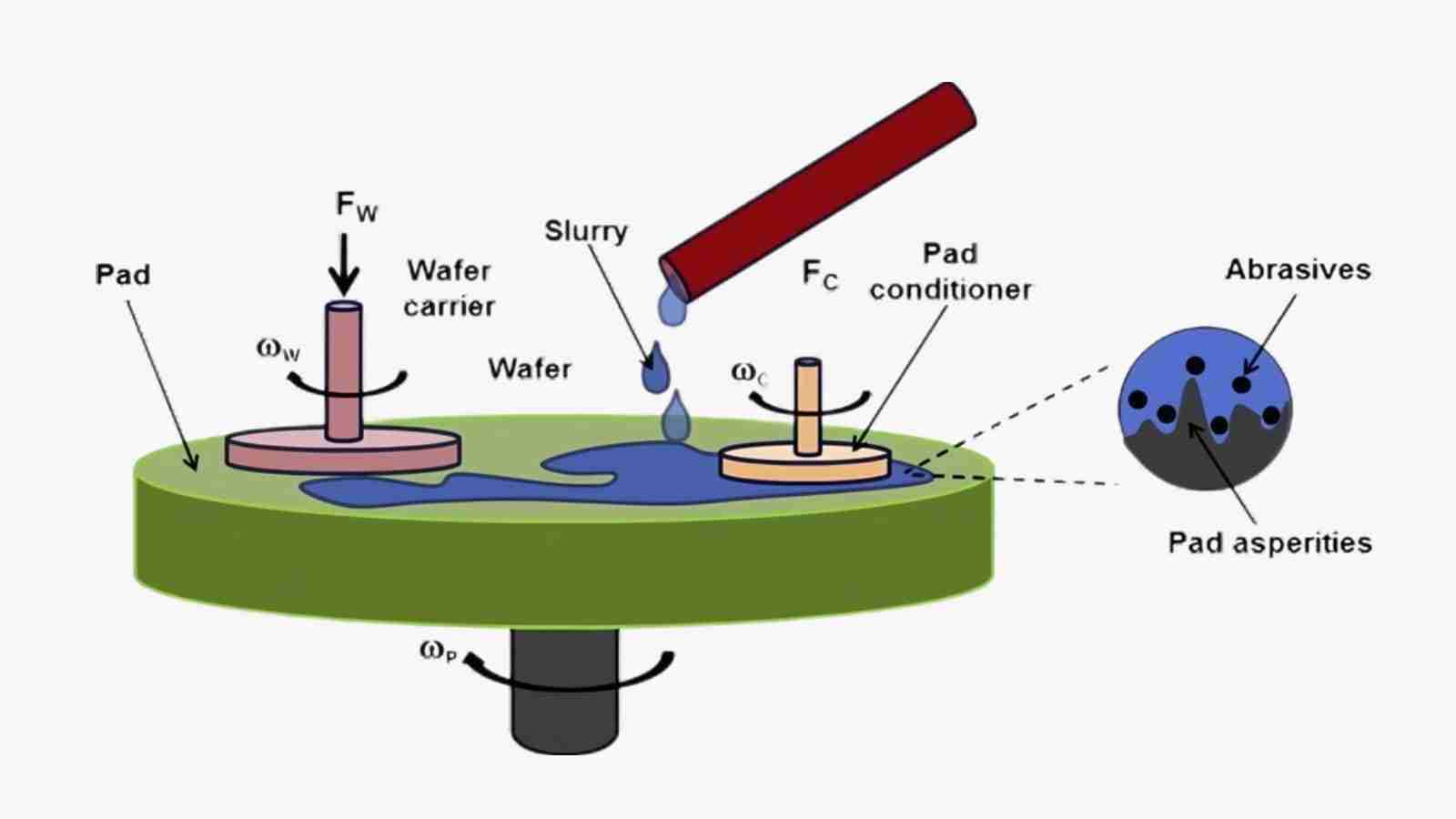
Exploring the Impact of Polishing Techniques on Grain Texture and Flavor
Polishing techniques play a pivotal role in not only the aesthetic appeal of rice but also in the overall sensory experience upon consumption. Different polishing methods can significantly alter the grain texture, resulting in varied cooking characteristics and mouthfeel. Traditional methods such as hand polishing often retain more bran and germ layers, yielding a nuttier flavor and chewier texture. In contrast, modern mechanized polishing techniques, such as water polishing and mechanical polishing, effectively remove these outer layers, producing a more refined grain that delivers a softer texture and milder taste. Understanding the balance between grain removal and flavor retention is crucial for achieving the desired culinary results.
Furthermore, the impact of polishing on flavor profiles cannot be understated. The degree of polishing directly affects the rice’s nutritional content, influencing the taste and aroma. For instance, lightly polished rice retains some of the oil and nutrients from the bran, which contributes to a richer, earthier flavor, while heavily polished rice often lacks these complex notes, resulting in a cleaner but blander profile. Some key considerations regarding polishing techniques include:
- Moisture content: Retained moisture during polishing can enhance flavor infusion.
- Duration of polishing: Longer polishing times often lead to refined textures but can reduce flavor complexity.
- Equipment used: Different machines vary in effectiveness at preserving flavor while altering texture.
| Polishing Technique | Texture | Flavor Profile |
|---|---|---|
| Hand Polishing | Chewy, Nutty | Earthy, Robust |
| Water Polishing | Soft, Delicate | Mild, Subtle |
| Mechanical Polishing | Smooth, Silky | Clean, Neutral |
The interplay between texture and flavor through polishing techniques not only affects how rice complements other dishes, but also enhances the consumer’s dining experience. As enthusiasts and chefs alike explore these nuances, the cultivation of quality grains will evolve, embracing both tradition and innovation in the ever-expanding culinary landscape.
Innovations in Rice Polishing Technology: A Focus on Sustainability
In recent years, the field of rice polishing technology has witnessed groundbreaking innovations that not only enhance the quality of the grain but also prioritize sustainability. With a growing emphasis on reducing environmental impact, manufacturers are adopting eco-friendly practices that innovate traditional processes. These include advanced methods such as water-efficient polishing, which minimizes water usage, and energy-efficient machinery, designed to lower carbon emissions during production. The use of biodegradable polishing agents and natural abrasives has further refined the process, ensuring that the end product is not only aesthetically pleasing but also adheres to sustainable farming principles.
Additionally, the industry is seeing an increase in the implementation of smart technologies. For instance, integrating IoT devices into polishing machines allows for real-time monitoring and adjustment of the polishing process, optimizing efficiency while minimizing waste. The adoption of these technologies is further supported by data analytics, facilitating a deeper understanding of how variations in temperature, pressure, and duration affect grain quality. Below is a simple comparison of traditional vs. innovative polishing methods:
| Polishing Method | Water Consumption | Energy Required | Environmental Impact |
|---|---|---|---|
| Traditional | High | High | Significant |
| Innovative | Low | Moderate | Minimal |
Best Practices for Maximizing Quality through Effective Polishing Strategies
To achieve superior grain quality in rice polishing, it is essential to adopt effective polishing strategies that not only enhance the aesthetic appeal but also preserve the nutritional value of the grains. One of the foremost practices includes optimizing the polishing time and temperature. Excessive exposure can strip away essential nutrients, so finding the right balance is key. Additionally, utilizing a multi-stage polishing process allows for a gradual refinement that reduces breakage and maintains the structural integrity of the rice. This method can be further complemented by careful control of the moisture content, ensuring grains are not only polished but also remain plump and flavorful.
Another critical aspect involves investing in advanced polishing equipment designed to minimize friction and thermal impact. Equipment such as vertical rice polishers and air-suction systems can greatly enhance the uniformity of the polishing process. Moreover, regular maintenance and calibration of these machines should not be overlooked to ensure maximum efficiency. Incorporating feedback mechanisms to gauge grain quality post-polishing can also provide invaluable insights, leading to continuous improvements. Here’s a simple table highlighting effective polishing equipment and their benefits:
| Equipment Type | Benefits |
|---|---|
| Vertical Rice Polisher | Minimizes breakage, enhances shine |
| Air-Suction System | Reduces excess husk, improves cleanliness |
| Polishing Cylinder | Even polishing, lower heat generation |
To Conclude
the journey of rice from paddy to polished grain is a testament to the intricate blend of tradition and technology. As we have explored, rice polishing technology not only enhances the aesthetic appeal of rice but also plays a pivotal role in elevating its nutritional value and marketability. The delicate art of polishing, when executed with precision, transforms each grain into a canvas of health and taste, reflecting the craftsmanship and dedication of those behind the scenes. With ongoing innovations and a commitment to quality, the future of rice polishing promises to continue shaping the culinary landscape, ensuring that every bowl served is a celebration of both heritage and advancement. As we savor the fruits of this meticulous process, we are reminded that in every grain lies a story—a story of care, culture, and continuous improvement.




