
Unlocking the Secrets of Efficient Paddy Processing
In the heart of agrarian societies, where the golden hues of rice fields sway gently under the sun, the journey of transforming paddy into the staple that nourishes millions begins. As the world grapples with the dual responsibilities of feeding a growing population while ensuring sustainability, the intricate process of paddy processing takes center stage. Yet, not all methods are created equal—some unlock the full potential of this vital grain more effectively than others. This article embarks on a revealing exploration of the techniques, innovations, and best practices that optimize paddy processing. By delving into the secrets that lie behind efficient operations, we aim to illuminate pathways to enhanced productivity and reduced environmental impact, paving the way for a more sustainable future in rice production. Join us as we uncover the art and science behind this essential agricultural practice.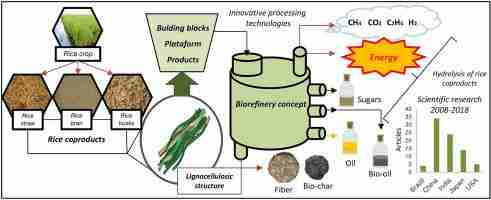
Understanding the Paddy Processing Cycle for Optimal Yield
To achieve optimal yield, it’s crucial to comprehend each phase of the paddy processing cycle. The journey begins right after the harvest when fresh paddy is subjected to initial drying to reduce moisture content, preventing spoilage and ensuring longevity. The first step is to separate the grains from the stalks, commonly done using threshing techniques. This is followed by further drying to achieve the ideal moisture level, which is typically around 14%. It is essential to maintain this balance, as excessive moisture can lead to mold, while overly dry grains may lose valuable weight and quality.
Once the grains are adequately dried, the next step involves milling, where the outer husk is removed to reveal the white rice inside. The milling process can vary based on desired rice quality, with options ranging from minimal milling for more intact grains to fully milled rice that offers a polished appearance. It’s also essential to monitor the quality meticulously at every stage of processing to maximize yield. Key practices include:
- Regular moisture checks at drying stage
- Use of modern milling technologies
- Quality control inspections throughout the cycle
This comprehensive understanding not only enhances the efficiency of paddy processing but also leads to a higher market value for your produce. By implementing meticulous care from harvesting to milling, farmers can unlock the full potential of their paddy crops, ensuring both quality and quantity for their endeavors.

Technological Innovations Transforming Paddy Processing Practices
Recent advancements in technology have significantly reshaped the landscape of paddy processing, elevating the efficiency and sustainability of the entire operation. Modern machines utilize automated systems, drastically minimizing human error while ensuring a consistent output quality. Some of the standout innovations include:
- Smart Drying Technologies: Tailored drying solutions utilize sensors to monitor moisture levels, optimizing the drying process and preserving grain quality.
- Precision Milling Equipment: Advanced milling systems offer adjustable settings to fine-tune the milling process, reducing breakage and maximizing the yield of whole grains.
- Integrated Supply Chain Software: These platforms enhance the logistics of paddy procurement and distribution, ensuring timely operations and reducing waste.
Another slice of innovation lies in the development of eco-friendly solutions that help in reducing environmental impact while promoting energy conservation. The advent of biodegradable packaging for processed rice reflects a broader commitment to sustainability within the industry. Additionally, new processing technologies are designed with energy efficiency in mind, capable of utilizing renewable energy sources. The following table summarizes key eco-friendly technologies:
| Technology | Benefits |
|---|---|
| Solar-Powered Dryers | Reduces energy costs and carbon footprint. |
| Water Recycling Systems | Conserves water used in processing, promoting sustainability. |
| Compostable Packaging | Minimizes plastic waste, enhancing environmental stewardship. |

Best Practices for Sustainable Paddy Handling and Storage
Implementing sustainable practices in paddy handling and storage is crucial for minimizing waste and enhancing the quality of the grains. One of the foremost strategies is to maintain optimal moisture levels during storage, as excessive humidity can lead to spoilage and mold growth. Ensuring proper ventilation in storage areas is vital. Consider these key strategies:
- Use airtight containers to prevent the ingress of moisture and pests.
- Regularly monitor temperature and humidity to ensure they remain within acceptable thresholds.
- Employ controlled aeration systems to maintain quality during extended storage periods.
Additionally, adopting eco-friendly materials for packaging and storage can reduce environmental impact. Consider using biodegradable sacks or recycled containers that not only protect the grains but also minimize single-use plastics. Training staff in best handling practices is equally important; a well-informed workforce is essential for maintaining quality. Here’s a simple table that outlines effective training topics:
| Training Topic | Key Benefit |
|---|---|
| Moisture Control | Prevents spoilage and maintains quality |
| Pest Management | Reduces economic loss due to infestations |
| Safe Handling Techniques | Minimizes physical damage to grains |
Enhancing Quality Control Measures in Paddy Processing
To elevate the standards of paddy processing, integrating advanced technologies and systematic protocols becomes imperative. Implementing real-time monitoring systems allows producers to track quality metrics throughout the processing stages, ensuring immediate rectification of any deviations. The utilization of automated sorting mechanisms can enhance precision, significantly reducing human error in selecting grains by size and quality. Furthermore, employing integrated pest management (IPM) strategies during storage can preserve the integrity of paddy, safeguarding against potential infestations that compromise quality.
Moreover, providing continuous training for staff on quality control practices is essential. Utilizing training workshops that focus on best practices in cleaning, milling, and storage can empower workers, leading to improved operational outcomes. Partnerships with agricultural experts can also facilitate the development of tailored quality control checklists, which serve as invaluable resources on the production floor. Organizing regular quality assurance audits fosters a culture of accountability, ensuring that every batch of processed paddy meets the highest possible standards. Below is a simple representation of key quality control measures:
| Quality Control Measure | Description |
|---|---|
| Real-Time Monitoring | Tracks processing metrics live for immediate action. |
| Automated Sorting | Minimizes human error in selection. |
| Integrated Pest Management | Protects stored paddy against infestations. |
| Training Workshops | Enhances staff skills in handling quality. |
| Quality Assurance Audits | Regular checks to maintain processing standards. |
Wrapping Up
As we conclude our exploration of efficient paddy processing, it becomes clear that the journey from field to table is a complex yet fascinating one. Each step plays a vital role in ensuring that the grains we rely on are not only of the highest quality but also produced sustainably and effectively. By adopting innovative techniques and embracing modern technology, we unlock not only increased productivity but also the secrets to preserving our environment and supporting the livelihoods of farmers.
As the global demand for rice continues to rise, the commitment to improving paddy processing will be essential in shaping a more food-secure future. Let us carry forward the insights gained from this exploration, fostering collaboration, and encouraging sustainable practices within our communities. In doing so, we nourish not only our bodies but also the land that sustains us. The secrets to efficient paddy processing are not just found in the methods employed; they are embedded in our shared responsibility to ensure a thriving agricultural landscape for generations to come.




