
Unlocking Potential: The Journey of Paddy Processing Plants
In the heart of rural landscapes, where fields of golden grain sway gently in the breeze, a quiet revolution is taking place. Paddy processing plants, often overlooked in the broader discourse of agricultural innovation, serve as crucial nodes in the intricate tapestry of food production and sustainability. These facilities are not just mechanical hubs; they are vital lifelines that transform raw paddy into a staple food source, fostering economic growth and enhancing food security. As we embark on a journey through the evolution of paddy processing plants, we will explore their pivotal role in unlocking the potential of agriculture, from traditional practices rooted in history to cutting-edge technologies that redefine efficiency and quality. Join us as we delve into this fascinating narrative that reveals how, beneath the surface of these plants, lies a story of resilience, adaptation, and progress in the relentless pursuit of nourishment for a growing world.
Exploring Technological Innovations in Paddy Processing
In recent years, paddy processing plants have witnessed a transformative evolution through advancements in technology. From automated milling systems to precision sorting machines, these innovations have significantly enhanced efficiency and product quality. Key developments include:
- AI-powered Quality Control: Utilizing artificial intelligence, plants now employ sophisticated algorithms to assess grain quality in real-time, ensuring only the best is processed.
- Sustainable Water Management: Innovative water recycling systems contribute to reduced consumption, fostering an eco-friendlier processing approach.
- IoT Integration: The Internet of Things enables seamless monitoring of machinery, leading to predictive maintenance and minimizing downtime.
Moreover, the shift towards smart technologies has encouraged overall operational improvements. Implementing robotic process automation (RPA) in tasks such as packaging and handling has streamlined workflows and reduced labor costs. In addition, the advent of blockchain technology offers transparency in supply chains, enhancing trust between producers and consumers. To illustrate the impact of these innovations, the following table summarizes common improvements:
| Innovation | Benefit |
|---|---|
| Automated Sensors | Real-time monitoring of moisture content |
| Smart Packaging | Improved shelf life and product safety |
| Data Analytics | Insight-driven decision making |

Sustainable Practices for Enhancing Efficiency and Yield
Implementing environmentally sound approaches in paddy processing can significantly enhance both efficiency and yield. By embracing technologies that reduce waste and promote resource conservation, processing plants can operate at peak performance while minimizing their ecological footprint. This involves adopting crop rotation practices to maintain soil health, utilizing permaculture strategies to enhance biodiversity, and employing precision farming techniques to ensure the optimal use of inputs like water and fertilizers.
Moreover, integrating renewable energy sources such as solar and biogas systems not only lowers operational costs but also ensures a sustainable energy flow. The cultivation of indigenous rice varieties can also contribute to increased resilience against pests and diseases while requiring fewer chemical inputs. To illustrate the impact of these sustainable practices, consider the following table that showcases differences in yield and resource use:
| Practice | Average Yield (tons/ha) | Water Use (liters/kg grain) |
|---|---|---|
| Traditional Farming | 4.0 | 500 |
| Sustainable Techniques | 5.5 | 300 |
By shifting perspectives and techniques, processing plants can realize fruitful collaborations between economic viability and ecological integrity. This holistic approach not only elevates output levels but also helps build a legacy of responsible agriculture that future generations can rely on.
The Role of Local Communities in Transforming Processing Dynamics
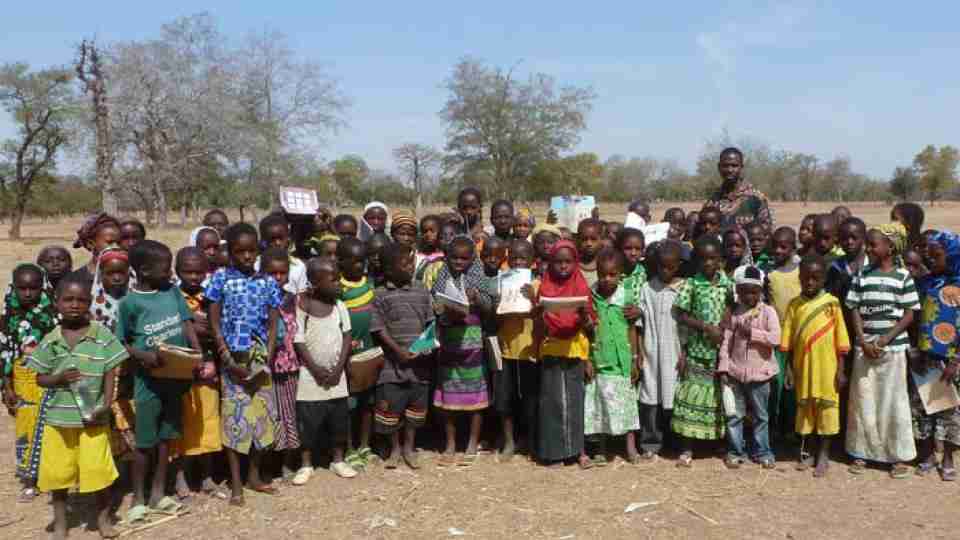
Local communities play a vital role in reshaping the dynamics of processing operations, acting as catalysts for change and development within the paddy processing plants. Their deep-rooted understanding of regional practices, environmental concerns, and market demands creates a unique partnership with these facilities. By fostering an inclusive dialogue, local stakeholders can advocate for sustainable methods and practices that not only enhance productivity but also preserve the integrity of their surroundings.
Furthermore, the collaboration between paddy processing plants and local communities fosters resilience and innovation. This partnership can lead to the implementation of essential initiatives that support both economic and social growth, such as:
- Skill Development Programs: Equipping local farmers and workers with modern processing techniques.
- Community-Based Feedback Mechanisms: Establishing channels for community input on processing operations.
- Sustainable Resource Management: Engaging locals in environmentally-friendly practices that reduce waste.
Such initiatives not only streamline processing dynamics but also enhance community ownership of projects, promoting a shared vision for prosperity. The synergy between local insights and technological advancements can lead to innovative solutions that address pressing challenges, ensuring that paddy processing evolves to meet both current and future demands.
Strategic Partnerships for Global Market Success in Rice Production
In today’s rapidly evolving agricultural landscape, forming strategic partnerships is essential for enhancing the efficiency and sustainability of rice production. Collaborations between paddy processing plants, local farmers, and technology providers can yield exceptional benefits. By leveraging shared resources and expertise, these partnerships enable the integration of advanced processing techniques, boosting the quality of the final product while reducing waste. Various stakeholders can come together to create a symbiotic relationship that not only strengthens local economies but also meets global demands for quality rice. This cooperative approach can lead to improved supply chain logistics, innovative marketing strategies, and enhanced product branding on international platforms.
Additionally, strategic alliances can facilitate the dissemination of best practices in agronomy and production. By providing training and access to modern farming techniques, partnerships can empower farmers to increase their yields and maintain sustainable production practices. These collaborations can include:
- Training Workshops: Equip farmers with state-of-the-art skills and knowledge.
- Research Initiatives: Foster innovation in rice genetics and pest management.
- Market Access Programs: Connect producers with international buyers and fair trade markets.
- Sustainability Projects: Implement eco-friendly practices within processing facilities.
Furthermore, aligning with governmental and non-governmental organizations can amplify the impact of these collective efforts. Here’s a brief overview of potential partners and their contributions:
| Partner Type | Contribution |
|---|---|
| Local Farmers | Provide raw material and local knowledge |
| Technology Firms | Introduce advanced processing systems |
| NGOs | Support in sustainability initiatives |
| Government Agencies | Create policies for export and regulation |
As these alliances flourish, they pave the way for a resilient, thriving global market that recognizes and prioritizes quality rice production.
The Way Forward
As we close the chapter on our exploration of Paddy Processing Plants, it’s clear that the journey of rice from field to fork is not merely a tale of agriculture but an intricate narrative of innovation, sustainability, and community. Each processing plant stands as a beacon of potential, transforming humble grains into vital resources that nourish nations. By harnessing technology and embracing sustainable practices, these facilities not only enhance food security but also empower local economies and promote environmental stewardship.
The road ahead is paved with opportunities to further unlock this potential, inviting new collaborations and advancements. As we glance toward the future, we must remember that the true essence of paddy processing lies not just in efficiency and yield, but in the shared commitment to elevate livelihoods and enhance the quality of life for all involved. May the insights gained from this journey inspire a renewed focus on the value of every grain, every worker, and every community, as we continue to nurture the profound connection between our food systems and the world at large.




