
In the heart of lush green landscapes where golden grains sway gently in the breeze, paddy processing factories stand as beacons of innovation and tradition. These hubs of transformation play a pivotal role in converting humble rice paddies into the staple food that feeds billions. As the world increasingly seeks to unlock the potential of sustainable practices, the art of paddy processing emerges as a fascinating intersection of agriculture, technology, and cultural heritage. This article invites you to explore the intricate processes that breathe life into raw paddy, illuminating the craftsmanship, advancements, and challenges faced by these factories. Join us on a journey through the delicate balance of efficiency and sustainability as we uncover the secrets behind the scenes and celebrate the endless potential of paddy processing.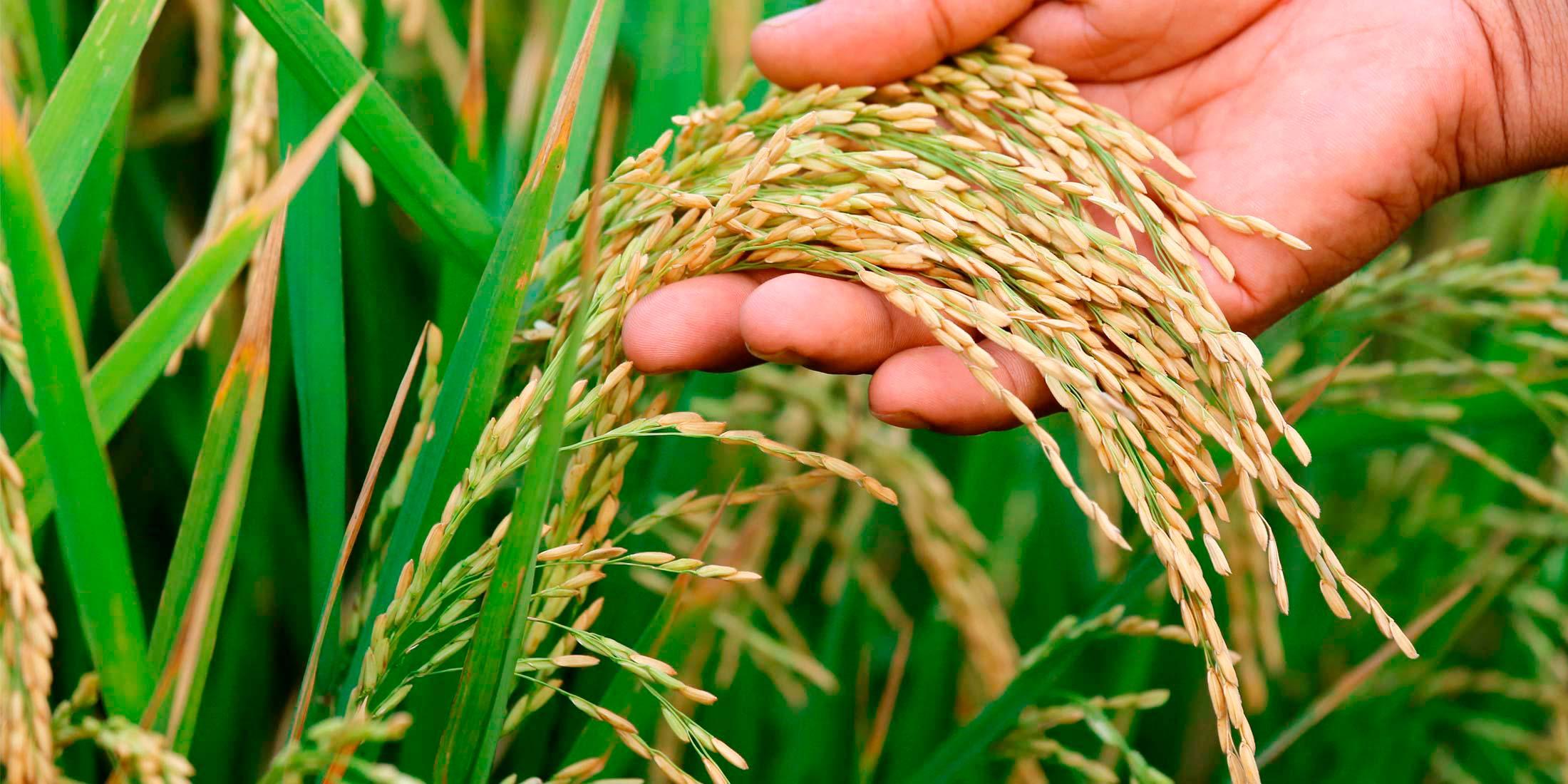
Understanding the Lifecycle of Paddy: From Field to Factory
The journey of paddy from lush green fields to the bustling processing factories is a remarkable transformation fueled by nature’s cycles and human ingenuity. After cultivation, paddy is meticulously harvested, where the golden grains are separated from their stalks and husks. Each stage in this lifecycle, from planting to harvest, significantly influences the quality and characteristics of the final product. Farmers play a crucial role during this phase, employing time-honored techniques that ensure their yield is robust and resilient against pests and diseases. Moreover, environmental factors, including soil quality and weather conditions, play an equally vital role, making each harvest unique.
Once the paddy reaches the processing facility, a series of complex yet efficient steps transform it into rice ready for consumer markets. These steps include drying, where moisture is reduced to prevent spoilage, and milling, where the outer husk and bran layers are removed to reveal the white rice beneath. Advanced technology such as automatic sensors and grading machines optimize this process, ensuring consistent quality and minimizing waste. In addition, skilled workers monitor the entire operation, balancing tradition with innovation. As the grains leave the factory, they undergo rigorous quality assessments to maintain high standards, ready to delight culinary enthusiasts around the world.

Optimizing Processing Techniques for Quality and Efficiency
To achieve the highest quality rice output in paddy processing, factories must embrace innovative and efficient processing techniques. This involves integrating advanced machinery and automation into production lines, significantly reducing manual labor while increasing throughput. By leveraging state-of-the-art milling equipment, such as modern huskers and polishers, factories can ensure a greater percentage of whole grains, enhancing the overall product quality. Moreover, implementing real-time monitoring systems allows for precise adjustments in processing, minimizing waste and optimizing energy consumption.
Furthermore, adopting best practices in sorting and grading can dramatically impact the final product’s appeal. Factories should consider utilizing methods like optical sorting to remove impurities and ensure uniform grain size. Training personnel on effective quality control measures and maintaining proper maintenance schedules for equipment are also crucial. The following key aspects can be emphasized to boost productivity:
- Employee Training: Regular workshops for staff to stay updated on new technologies.
- Process Automation: Introduce automation to reduce human error and enhance speed.
- Data Analytics: Utilize analytics tools for forecasting and inventory management.
| Technique | Benefit |
|---|---|
| Advanced Milling | Increased yield of whole grains |
| Real-time Monitoring | Minimized waste and optimized processes |
| Optical Sorting | Enhanced quality and consistency |
Innovative Technologies Transforming Paddy Processing
The landscape of paddy processing is undergoing a remarkable transformation, driven by groundbreaking technologies that enhance efficiency and sustainability. Among these innovations, automated milling systems have redefined the way paddy is processed. By integrating advanced machinery with machine learning algorithms, these systems are able to monitor and adjust parameters in real time, ensuring optimal processing conditions. This results in improved yield and reduced waste, ultimately maximizing profits for factory owners. Additionally, IoT sensors are being employed to track parameters such as humidity and temperature, allowing for a more controlled and precise milling environment.
Another significant advancement is the use of biotechnology in paddy processing. This revolutionary approach involves the development of fortified rice varieties that not only increase nutritional value but also enhance resilience to environmental changes. Furthermore, renewable energy solutions, such as bioenergy generated from rice husks, are paving the way for more sustainable operations. These energy initiatives not only lower operational costs but also contribute to a smaller carbon footprint. As paddy processing continues to evolve, the integration of these technologies promises a future where efficiency, yield, and sustainability go hand in hand.
| Technology | Benefits |
|---|---|
| Automated Milling Systems | Enhanced efficiency, reduced waste, optimized yield |
| IoT Sensors | Real-time monitoring, precise milling conditions |
| Biotechnology | Fortified rice varieties, increased resilience |
| Renewable Energy Solutions | Lower costs, reduced carbon footprint |
Sustainable Practices for a Greener Future in Rice Production
In the quest for a more sustainable approach to rice production, paddy processing factories can significantly influence environmental outcomes by adopting innovative techniques. Water management plays a crucial role, as efficient irrigation systems can minimize water waste and runoff. Implementing a closed-loop system for water treatment not only conserves resources but also reduces the risk of pollution associated with rice production. Factories leveraging renewable energy sources, such as solar and biogas, further mitigate their carbon footprint, contributing to a greener agricultural landscape.
Moreover, incorporating organic waste recycling is essential for enhancing soil health and optimizing resource use. By processing byproducts like rice husks and straw, factories can create valuable organic fertilizers that enrich the soil while simultaneously reducing waste. Additionally, embracing agroecological practices fosters biodiversity, which in turn strengthens ecosystems that support rice cultivation. Investigating sustainable packaging solutions also aids in reducing plastic waste, aligning with global sustainability goals. These multifaceted approaches not only ensure higher yields but also protect the environment, paving the way for a more resilient agricultural future.
To Conclude
As we draw the curtain on our exploration of the intricate world of paddy processing factories, it becomes clear that the journey from harvest to market is much more than a mere industrial process. It is an art form that marries tradition with innovation, celebrating the labor and dedication of countless hands. Each grain of rice carries a story, woven through time and technology, reflecting the cultural tapestry of the communities it nourishes.
Unlocking potential in the realm of paddy processing is not only about optimizing efficiency but also about honoring sustainability and preserving the essence of agricultural heritage. As we continue to refine techniques and embrace new technologies, let us strive for a balance that uplifts farmers, empowers communities, and ultimately contributes to a more resilient food system.
In this ongoing narrative, every step in the rice processing journey holds the key to unlocking not only the potential of paddy but also the potential of the countless lives it impacts. As we move forward, may we remain committed to fostering innovation while cherishing the roots of this ancient grain, ensuring that it continues to thrive in harmony with our shared future.




