Unlocking Potential: A deep dive into Paddy Processing Units
in the heart of agriculture lies a staple that feeds millions: rice. Revered across cultures and continents, this versatile grain not only shapes culinary traditions but also sustains economies and livelihoods. Yet, behind the scenes of every fragrant bowl of rice is a complex machinery of transformation—enter the paddy processing unit. These hubs of innovation play a critical role in elevating raw paddy into polished grains, ready to grace kitchens around the world.But what goes on within these units? How do they operate,and what challenges do they face in an ever-evolving agricultural landscape? In this article,we embark on a journey into the inner workings of paddy processing units,exploring their technological advancements,economic impact,and the untapped potential that lies within the realm of rice processing. Join us as we unlock the doors to a vital industry that not only nourishes but also empowers, framing a narrative that is as rich and diverse as the rice it produces.
Exploring the Fundamentals of Paddy Processing Units
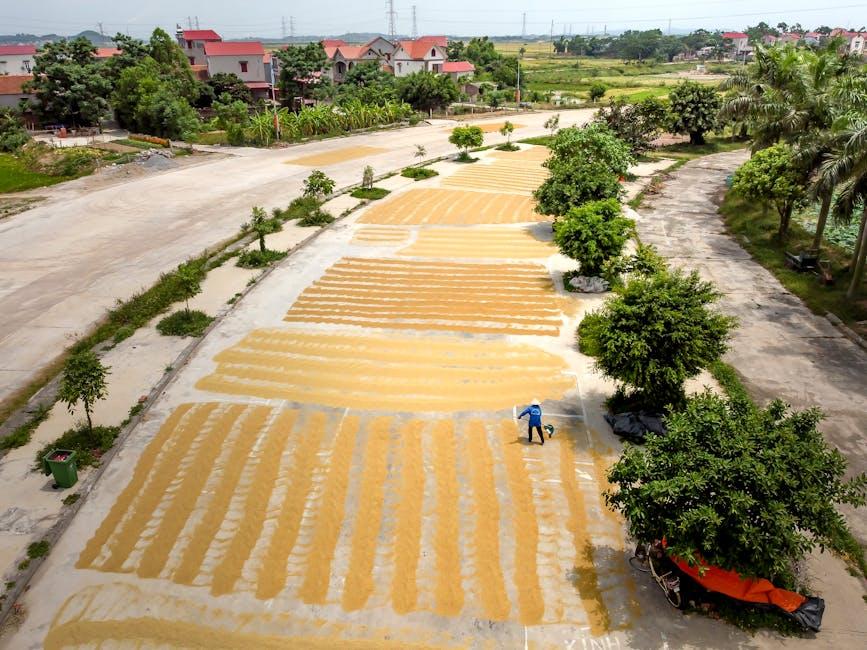
Paddy processing units serve as the backbone of rice production,transforming raw paddy into ready-to-sell products that meet consumer demand. The intricate process begins with careful sorting, ensuring that only the best-quality grains proceed to milling. After harvesting, paddy undergoes several stages, including drying, hulling, and milling, each critical in maintaining the nutritional integrity and taste. The use of technology in these units has revolutionized conventional methods, allowing for enhancements such as automated sorting and precision milling, reducing waste and improving yield. In addition to technological advancements, proper training for personnel is essential, as skilled operators can substantially boost efficiency and product quality.
Importantly, the environmental impact of paddy processing must not be overlooked. units are increasingly adopting sustainable practices to minimize their carbon footprint. This includes the effective management of by-products, such as Rice Bran, which can be further processed into oil, animal feed, or even bioenergy. The integration of renewable energy sources, like solar or biogas, into operations is becoming more prevalent. The economics of running a paddy processing unit involve meticulous planning; factors such as investment, operational costs, and market access play pivotal roles in determining the success of these enterprises. Below is a simplified overview of common processing stages.
| Processing Stage | Description | Purpose |
|---|---|---|
| Sorting | removal of foreign materials and inferior grains | Ensure quality |
| Drying | Reducing moisture content of paddy | Prevent spoilage |
| Hulling | Removing the outer husk | Prepare for milling |
| Milling | Grinding the grains to produce white rice | Final product |

Innovative Technologies Reshaping Efficiency and Quality
The advent of advanced technologies is fundamentally transforming the landscape of paddy processing units, ensuring they operate with remarkable efficiency and enhanced quality. Automation systems powered by AI streamline production lines, reducing human error and accelerating processing times. By incorporating machine learning algorithms, these units can predict equipment failures before they occur, resulting in notable cost savings and sustained operational continuity. Other technologies such as IoT devices allow for real-time monitoring of environmental conditions,ensuring that paddy quality is maintained from harvest to packaging.
Moreover, the implementation of sustainable practices has become integral to modern paddy processing, emphasizing reduced waste and energy consumption. Techniques such as solar drying and biogas generation from byproducts are now commonplace,contributing to both economic viability and ecological responsibility.The integration of blockchain technology is also gaining traction, facilitating traceability in the supply chain and reinforcing quality control measures.Below is a brief overview of key technologies currently influencing efficiency and quality in paddy processing:
| Technology | Impact |
|---|---|
| AI Automation | minimizes human error, increases speed. |
| IoT Sensors | Real-time monitoring of paddy quality. |
| Solar Drying | Energy-efficient drying method. |
| Blockchain | Ensures supply chain openness. |
Sustainable Practices in Paddy Processing for a Greener Future
In the quest for a more sustainable agricultural sector, the processing of paddy rice presents an essential opportunity to implement eco-pleasant practices. By embracing innovative technologies and resource-efficient methods, paddy processing units can significantly reduce their environmental footprint. among these practices are:
- Water Recycling: Implementing closed-loop systems that recycle water used in the milling process, decreasing overall consumption.
- Solar Energy Utilization: Installing solar panels to power rice processing units can diminish reliance on fossil fuels.
- Waste Management: Converting by-products such as husks and bran into bioenergy or organic fertilizers, moving toward a zero-waste model.
Furthermore, transitioning to organic pesticides and fertilizers in paddy processing not only mitigates soil degradation but also enhances the health of the surrounding ecosystems. Collaborating with local farmers to promote sustainable cultivation practices can foster a community-centric approach to environmental stewardship. Implementing these strategies not only drives profitability but also contributes to a holistic solution for long-term sustainability in agriculture. Below is a comparison of traditional versus sustainable practices:
| Practice | Traditional Approach | Sustainable Approach |
|---|---|---|
| Water Usage | High consumption, wasteful | Recycling and efficient usage |
| energy Sources | Non-renewable sources | Renewable energy integration |
| By-products Management | Waste disposal | Utilization for energy and fertilizers |
strategic Approaches to Market Integration and Consumer Awareness
In the realm of paddy processing, achieving seamless market integration requires a multifaceted approach. Key stakeholders must leverage technology and innovation to create efficient supply chains that link farmers directly with consumers. Strategies include establishing partnerships with local shops and online platforms, ensuring that processed rice reaches customers swiftly. Furthermore, adopting sustainable agricultural practices not only enhances the quality of the product but also positions brands as environmentally conscious choices in the market. This alignment can significantly improve consumer trust and loyalty, ultimately driving sales.
Consumer awareness plays an equally vital role in the success of paddy processing units. Educating potential customers about the benefits of consuming locally processed rice can lead to increased demand and appreciation for quality over quantity. Engaging campaigns that highlight the nutritional value and freshness of local products can make a tangible difference.Consider implementing the following strategies to amplify consumer awareness:
- Interactive Workshops: Host events where consumers can learn about the processing methods.
- Social Media Campaigns: Utilize platforms to share engaging content about production.
- Farm-to-Table Initiatives: Connect consumers with the source of their food.
Additionally, utilizing data to inform marketing strategies can enhance consumer engagement. Below is a snapshot of the impact of consumer awareness initiatives:
| Initiative | Consumer Engagement | Increase in Sales |
|---|---|---|
| Workshops | 300 attendees per event | 25% increase |
| Social Media | 100K impressions/month | 15% increase |
| Farm-to-Table | 200 new customers | 30% increase |
By prioritizing both market integration and consumer awareness, paddy processing units can unlock significant potential and contribute to a healthier agricultural ecosystem.
Insights and Conclusions
As we conclude our exploration of Paddy Processing Units, it becomes clear that the journey from field to grain is far more intricate and transformative than many might assume. These units stand as vital hubs in the agricultural landscape, unlocking not only the potential of the humble paddy but also the livelihoods of countless farmers and communities. By embracing advanced technology, sustainable practices, and innovative approaches, these processing units are reshaping the rice industry and contributing to food security on a global scale.The efforts put into refining the processing techniques not only enhance the quality of the final product but also ensure that the journey of paddy is as smooth and efficient as possible. As we look ahead, the role of Paddy Processing Units will undoubtedly evolve, driven by advancements in research and shifts in consumer demands. By understanding and appreciating these processes, we empower ourselves to engage with the food systems that nourish us.
In our collective pursuit of optimizing agricultural practices and promoting sustainability, the insights gleaned from this analysis underscore the importance of continued investment and innovation in the realm of paddy processing. Let us carry forward the lessons learned, aiming not just to unlock potential, but to realize it fully—for the paddy, for the farmers, and for future generations.