In the lush landscapes of agricultural fields, where the sun-drenched grains sway gently in the breeze, lies a transformative journey that begins with the humble rice paddy. This article delves into the intricate world of paddy processing plants, where the raw potential of harvested grains undergoes a remarkable metamorphosis. From the moments of harvesting to the final packaging, the journey of rice takes center stage, revealing not only the technology and techniques employed but also the dedication and craftsmanship that elevate this staple to it’s rightful place on our tables.Join us as we explore the heart of a paddy processing plant, uncovering the processes that turn golden ears of rice into versatile ingredients, nourishing millions across the globe.
Innovative Milling Techniques for Enhanced Rice Quality
In the quest to elevate rice quality, innovative milling techniques have emerged as a game changer in the paddy processing sector. These advanced methods focus on precision and efficiency, ensuring the grain undergoes minimal damage while maximizing the removal of impurities. Among the noteworthy techniques are:
- Multi-Stage Milling: This method utilizes a series of progressively finer milling processes,allowing for better control of the milling outcome.
- Optical Sorting: By employing high-tech cameras and sensors, this technique identifies and eliminates defective grains and foreign particles.
- Stone Milling: This customary process, enhanced with modern technology, helps retain more nutrients and results in superior flavor.
The impact of these methods can be vividly illustrated through comparative data showing improvements in yield and quality. Below is a simple representation of the average quality metrics associated with traditional vs. innovative milling techniques:
| Technique | Average Grain Breakage (%) | Nutritional Retention (%) | Market Value ($ per ton) |
|---|---|---|---|
| Traditional Milling | 15 | 70 | $550 |
| Innovative Milling | 5 | 90 | $750 |
As demonstrated, the adoption of cutting-edge milling technologies not only enhances the overall quality of the rice but also significantly boosts profitability for producers. Embracing these techniques is essential for meeting the evolving demands of the market while ensuring that consumers enjoy the best in flavor and health benefits.
Sustainable Practices in Paddy Processing for Environmentally Friendly Operations
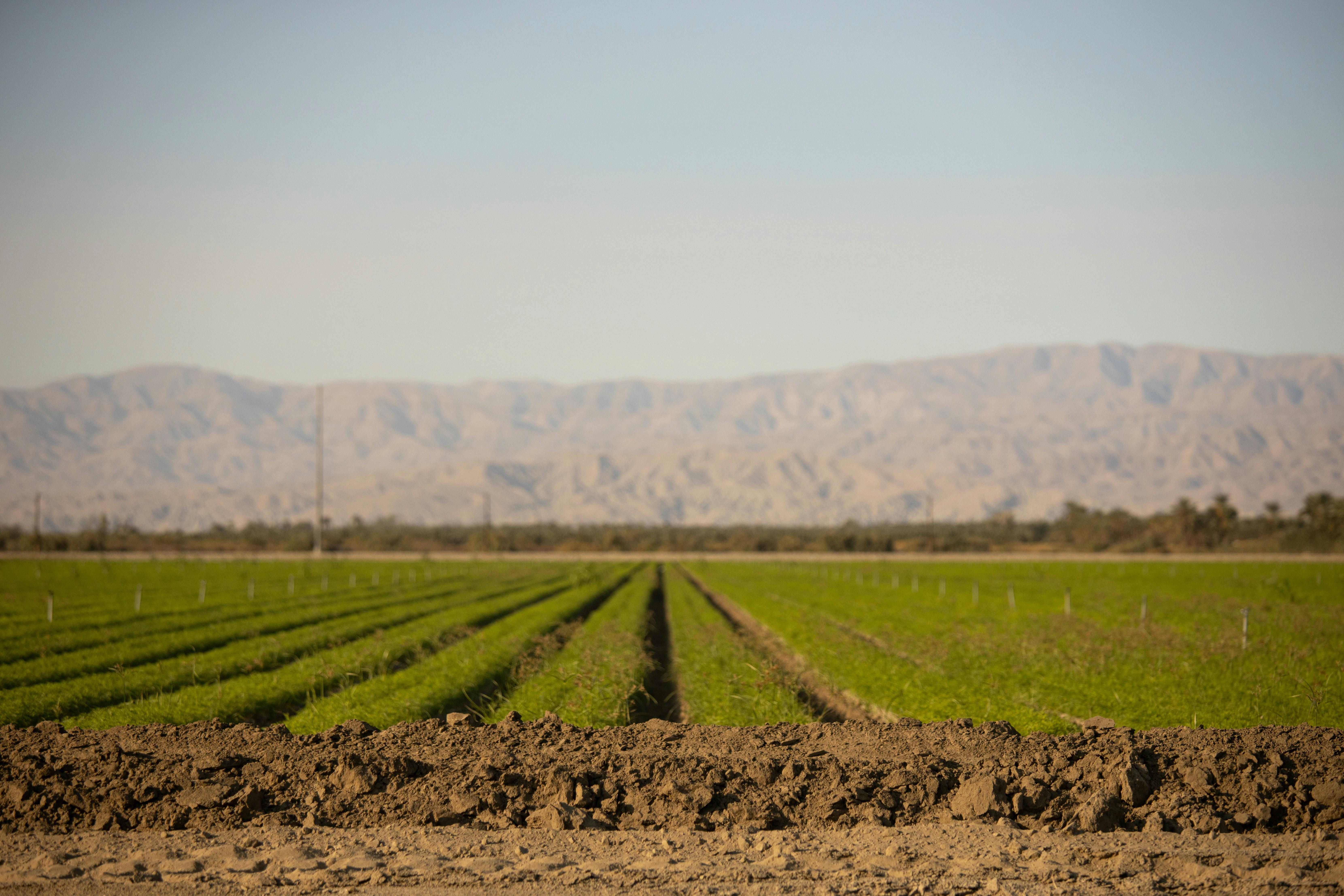
In the pursuit of minimizing environmental impact, paddy processing plants are increasingly adopting innovative methods that align with sustainability. By implementing water-efficient techniques, facilities can significantly reduce their water consumption during the milling process. Techniques such as recirculating water systems not only conserve valuable resources but also mitigate the risk of wastewater pollution. Additionally, utilizing solar energy for operational power transforms paddy processing into a cleaner endeavor. With photovoltaic panels installed on-site, facilities harness the sun’s energy, which can meet a ample portion of their energy requirements, effectively lowering their carbon footprint.
Another sustainable approach lies in waste management strategies that turn by-products into valuable resources. The incorporation of biomass energy systems enables the conversion of waste husks and bran into biofuel,promoting a circular economy within the plant. moreover, adopting composting practices allows for organic waste to decompose naturally, enriching the soil and minimizing landfill contributions. To better illustrate these practices, the following table summarizes key sustainable strategies and their benefits:
| Sustainable Strategy | Benefits |
|---|---|
| Water Efficiency | Reduces consumption & prevents pollution |
| Solar Energy | Decreases reliance on fossil fuels |
| Biomass Energy | Transforms waste into renewable energy |
| composting | Enhances soil quality & reduces waste |
Optimizing efficiency Through Technology Integration in Rice Processing
in the modern landscape of rice processing, integrating technology has become paramount to enhancing operational efficiency. By leveraging advanced machinery and streamlined software solutions, paddy processing plants can significantly reduce waste and increase throughput. automated systems for sorting and milling can accurately identify the quality of rice grains, ensuring that only the best ones proceed through the processing stages. This not only improves product quality but also optimizes the use of resources, translating to cost savings and higher profitability. Implementing IoT sensors throughout the facility allows for real-time monitoring of equipment performance, which leads to predictive maintenance and minimizes downtime.
Furthermore, the shift towards data analytics and machine learning creates opportunities for continual improvement in the processing workflow. By analyzing past data and production metrics, plant managers can identify bottlenecks and adapt processes to meet fluctuating market demands. Blockchain technology can enhance traceability in the supply chain, building trust with consumers who increasingly prioritize transparency regarding food origins. The following table highlights key technological integrations that can transform rice processing:
| Technology | Benefit | Impact on operations |
|---|---|---|
| Automated Sorting Systems | Improved quality control | Higher efficiency in grain selection |
| IoT Sensors | Real-time data collection | Predictive maintenance |
| Data Analytics | Operational insights | Optimized workflows |
| Blockchain | Enhanced traceability | Increased consumer trust |
Quality Control Measures: Ensuring Consistency from Field to Table
To ensure that every grain of rice maintains its quality from the paddy fields to the dining table,a plethora of quality control measures is implemented at each stage of the processing plant. These measures include rigorous field inspections to monitor soil conditions and pest control, followed by meticulous harvesting techniques that prevent contamination. In the factory, each batch of rice undergoes a thorough assessment where parameters such as moisture content, purity, and grains’ integrity are tested. The facility leverages advanced technologies such as color sorting machines and infrared sensors to detect impurities that can compromise quality.
Moreover, a dedicated quality assurance team conducts regular audits and checks throughout the production line. This ensures not only compliance with industry standards but also that every product that reaches consumers has been tested for consistency and freshness. Key aspects of this process include:
- Sampling Protocols: Randomized sampling at various production stages.
- Storage Conditions Monitoring: Tracking temperature and humidity levels to prevent spoilage.
- Traceability Systems: Keeping records from field to packaging for accountability.
| Quality Metric | Standard Value | Testing Frequency |
|---|---|---|
| Moisture Content | 12% or less | Every batch |
| Purity Level | 95% whole grains | Daily |
| Foreign Matter | 0.5% max | Per production run |
Future Outlook
As we conclude our exploration of the intricate journey from paddy to polished grains, it becomes clear that a rice processing plant stands as both a marvel of engineering and a vital lifeline for communities around the globe. The transformative processes within these facilities—hulling, milling, and packaging—are not merely mechanical tasks but rather an intricate dance of technology and tradition, redefining humble grains into staples that nourish millions.
In a world where food security is paramount, the role of paddy processing cannot be overstated. Each kernel is a testament to the labor, innovation, and care invested by countless individuals, from farmers in the fields to technicians in the plants. As we savor a bowl of rice, let us remember the journey it undertook—passing through the hands of skilled workers who ensure it reaches our tables with quality and safety.
Thus, as we look to the future, it’s essential to recognize the balance between efficiency and sustainability in rice processing. By embracing innovation while honoring the roots of traditional practices, we can pave the way for a resilient agricultural landscape. In this ongoing change of rice, we find hope for a nourished tomorrow, where every grain plays a part in feeding the world.