
Transforming Paddy: The Heart of Modern Rice Processing Units
In the lush landscapes of rice-growing regions, where golden fields sway gently in the breeze, paddy—the unassuming seed of sustenance—undergoes a remarkable transformation. This metamorphosis, from humble grain to the polished rice that fills bowls and nourishes communities, is the lifeblood of modern rice processing units. As technology advances and innovative practices emerge, the processing of paddy has evolved into a sophisticated operation that not only maximizes efficiency but also enhances quality and sustainability. In this article, we delve into the intricate processes that breathe life into paddy, exploring the cutting-edge machinery, eco-friendly practices, and essential methodologies that define the heart of contemporary rice processing. Join us on this journey to uncover the secrets of turning paddy into the staple that plays a pivotal role in feeding millions around the globe.
Emerging Technologies Revolutionizing Paddy Processing
The landscape of paddy processing is witnessing a seismic shift, driven by innovative technologies that enhance efficiency and minimize waste. One of the most notable advancements is the adoption of IoT-enabled sensors, which are revolutionizing the way rice mills operate. These sensors monitor environmental conditions, optimize drying processes, and ensure that quality is maintained from field to finish. The integration of machine learning algorithms allows for predictive maintenance, reducing downtime and ensuring that machinery operates at peak efficiency. Additionally, the use of automated sorting systems powered by computer vision techniques has dramatically improved the ability to identify and separate impurities, enhancing the purity and quality of the final product.
Furthermore, the emergence of blockchain technology in the supply chain is creating a new paradigm of transparency and traceability. By providing a digital ledger of every transaction, stakeholders can verify the origin and quality of the rice, fostering trust among consumers and producers alike. The use of biotechnology in paddy cultivation is also noteworthy; genetically modified strains that are more resilient to pests and climate stresses are paving the way for a more sustainable approach to rice production. As these technologies continue to evolve, they are not just addressing current challenges but are also setting the stage for a more efficient, transparent, and sustainable rice processing industry.
| Technology | Benefit |
|---|---|
| IoT Sensors | Real-time monitoring of processing conditions |
| Machine Learning | Predictive maintenance of machinery |
| Automated Sorting | Enhanced purity through impurity detection |
| Blockchain | Traceability and transparency in supply chain |
| Biotechnology | Resilient crop strains for sustainable production |
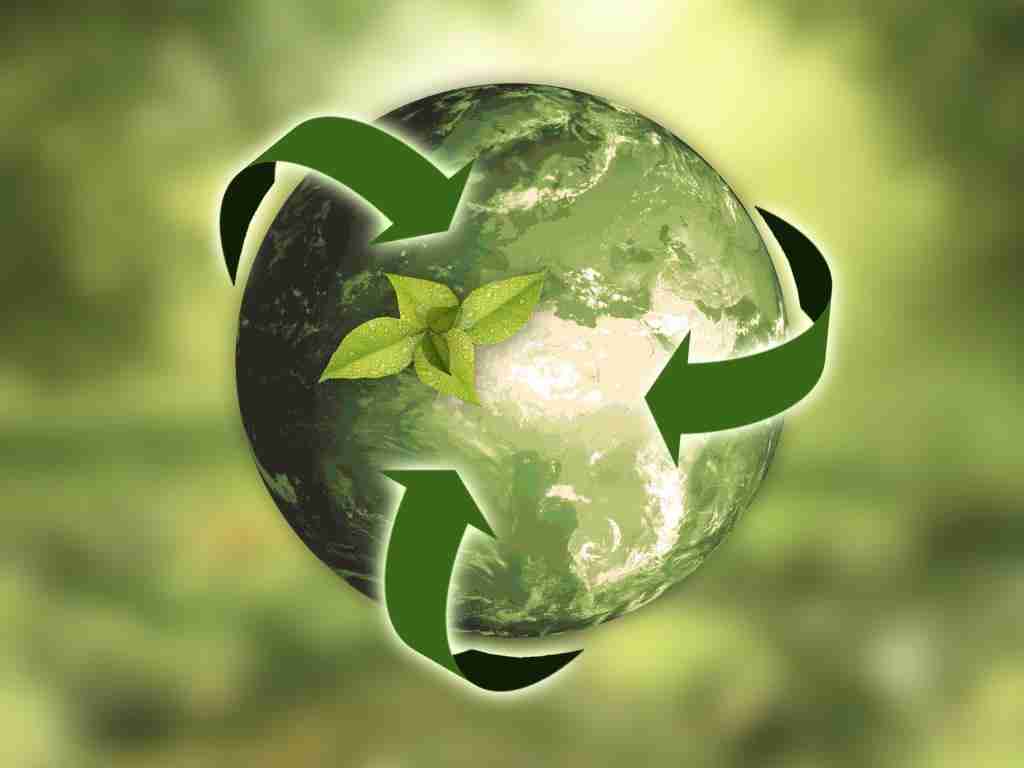
Sustainability Practices for Eco-Friendly Rice Production
Embracing eco-friendly methodologies in rice production not only protects the environment but also enhances productivity and soil health. Sustainable practices include the adoption of integrated pest management (IPM), which minimizes the use of harmful chemicals and fosters a balanced ecosystem. Farmers can also incorporate crop rotation and cover cropping to improve soil fertility and reduce erosion. Such practices can lead to healthier crop yields and greater resilience against pests and diseases.
Moreover, innovative irrigation techniques, such as aerobic rice cultivation and drip irrigation, conserve water while optimizing crop growth. Utilizing organic fertilizers, such as compost or green manure, reintroduces vital nutrients back into the soil without the harmful side effects of synthetic options. The table below showcases the key practices alongside their benefits:
| Practice | Benefits |
|---|---|
| Integrated Pest Management (IPM) | Reduces chemical usage and enhances ecosystem balance |
| Crop Rotation | Improves soil health and reduces pest cycles |
| Aerobic Rice Cultivation | Conserves water and promotes efficient nutrient uptake |
| Organic Fertilizers | Enhances soil fertility sustainably |
Adapting Traditional Techniques in Modern Facilities
The transformation of paddy into rice not only relies on cutting-edge machinery but also benefits greatly from time-honored, traditional techniques. One striking method is the use of natural fermentation, which improves the texture and flavor of rice. Modern facilities are now integrating this process by utilizing controlled environments, ensuring the right conditions to harness the benefits of fermentation while minimizing risks. In addition, incorporating traditional milling methods alongside advanced technology can enhance grain quality. Facilities have started to design dual-milling systems that allow for experimenting with traditional stone mills and modern steel mills, optimizing efficiency and preserving nutritional value.
By embracing the wisdom of the past, manufacturers can create a more sustainable model for rice processing. For example, implementing biodiversity practices in paddy sourcing can lead to healthier crops, while maintaining local heritage. Facilities are increasingly collaborating with local farmers to ensure a diverse range of paddy varieties is cultivated, thereby enhancing flavor profiles and promoting crop resilience. Furthermore, sustainable resource management strategies, such as recycling water used in the processing stage, reflect a commitment to both traditional agricultural practices and contemporary ecological principles.
| Technique | Benefits |
|---|---|
| Natural Fermentation | Enhances flavor and texture |
| Traditional Milling | Improves grain quality |
| Biodiversity in Sourcing | Promotes sustainability |
| Water Recycling | Conserves resources |
Quality Control Standards in Contemporary Rice Processing
In the ever-evolving landscape of rice processing, the implementation of robust quality control standards is essential to ensure that consumers receive only the best products. These standards encompass a comprehensive approach that begins at the sourcing of paddy and extends through to the final packaging of polished rice. Key elements include:
- Raw Material Inspection: Prior to processing, paddy undergoes rigorous selection to eliminate any inferior grains or contaminants.
- Moisture Content Control: Maintaining moisture levels within a specific range is crucial for preventing spoilage and ensuring optimal milling results.
- Color and Grain Size Sorting: Automated systems employ imaging technology to classify grains based on color and size, guaranteeing uniformity.
Furthermore, processing units adhere to regular audits and testing to maintain certification standards, fostering trust within the supply chain. Quality metrics are evaluated periodically, which include:
| Quality Metric | Description | Target Value |
|---|---|---|
| Foreign Matter | Percentage of non-rice materials | < 0.5% |
| Grain Purity | Proportion of whole grains | > 95% |
| Cooking Quality | Texture and aroma post-cooking | Pass sensory evaluation |
This meticulous attention to quality control not only enhances the end product but also empowers rice processing units to effectively navigate market demands and establish a reputable brand presence.
The Conclusion
As we conclude our exploration of “Transforming Paddy: The Heart of Modern Rice Processing Units,” we find ourselves at the intersection of tradition and innovation. The journey from paddy to rice is not merely a transformation of grains; it is a testament to human ingenuity, agricultural advancement, and the relentless pursuit of efficiency.
In modern processing units, the blend of cutting-edge technology with age-old practices underscores the industry’s evolution, ensuring that this staple food continues to nourish millions across the globe. As we step into the future, the challenge lies not just in enhancing productivity but in doing so sustainably, preserving the cultural significance of rice while meeting the demands of an ever-growing population.
Thus, the narrative of paddy processing is one of resilience and adaptability, where every kernel tells a story of labor, innovation, and hope. As we embrace these advancements, let us remain mindful of the roots that ground us, fostering a deep respect for the land and the communities that cultivate this essential grain. In the heart of every modern rice processing unit, the spirit of transformation lives on, shaping a sustainable future for generations to come.




