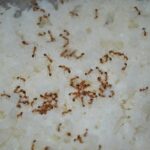
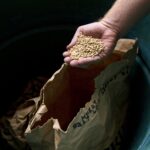
In the ever-evolving landscape of technology, where innovation reigns supreme, one element remains at the core of modern processing: paddy.While paddy may conjure images of lush fields and serene rice terraces, its journey from agriculture to cutting-edge technology paints a fascinating portrait of transformation. This article delves into the intricate relationship between this humble grain and the world of modern processing units,exploring how the principles of paddy cultivation can shed light on the mechanisms that power our digital devices. Join us as we unravel the threads connecting tradition and technology, discovering how the fundamental nature of paddy informs the refined architectures of contemporary computing. From the soil to silicon, the story of transforming paddy offers a unique lens through wich we can appreciate the heart of our digital age.
The Role of Paddy in Modern Computing Architectures
The integration of paddy architecture into contemporary computing systems marks a pivotal change in how processing units handle parallel computations. By leveraging the inherent properties of paddy,modern architectures can achieve unparalleled levels of efficiency and performance. This architecture facilitates a highly scalable approach, enabling developers to maximize hardware resources by allowing multiple processing operations to occur simultaneously. Key advantages of incorporating paddy in computing include:
- Enhanced Performance: Increased throughput and reduced latency through parallel execution.
- Resource optimization: Efficient utilization of CPU and memory resources, reducing idle time.
- Improved Scalability: Ability to seamlessly expand processing capabilities in response to workload demands.
Additionally, the versatility of paddy architecture inspires innovative algorithms designed specifically for multi-threading environments. this allows developers to tailor solutions that not only fit the technological landscape but also effectively address complex computational problems. To further illustrate the efficiency gains seen with paddy, consider the following comparison of customary versus paddy-based processing:
| Processing Model | Execution Speed | Resource Utilization |
|---|---|---|
| Traditional | Moderate | Less Efficient |
| Paddy-Based | High | Optimized |
This paradigm shift not only enhances computational capabilities but also drives the advancement of more sophisticated applications across various domains such as artificial intelligence, big data analytics, and real-time processing, fundamentally transforming how we perceive and utilize processing architectures.
Understanding the Journey from Paddy to Processor
The journey from paddy to a fully functioning processor is a fascinating transformation that begins in the lush fields where rice is cultivated. Farmers dedicate their labor to nurturing the paddy,ensuring optimal conditions for growth.Once harvested, the paddy undergoes several crucial steps to prepare it for processing. These steps include:
- Drying: paddy is dried to reduce moisture content, which prevents spoilage and prepares it for milling.
- milling: The dried paddy is milled to separate the rice grain from the husk, a process that enhances its edibility.
- Processing: After milling, the rice can be further processed into various forms, such as white rice, brown rice, or even flour for different culinary uses.
As the rice takes its form, it becomes a staple ingredient in many households and industries worldwide. The transformation doesn’t stop at obtaining edible rice; advancements in technology have facilitated the introduction of innovative processing methods. As a notable example, some of the modern techniques employed in processing rice include:
| Processing Technique | Description |
|---|---|
| Parboiling | A technique that partially cooks the rice, enhancing its nutritional value. |
| Fortification | Adding essential vitamins and minerals to rice to improve its health benefits. |
| polishing | A finishing touch that gives rice a shiny appearance, improving its market appeal. |
Innovative Techniques in Paddy Processing and Integration
The evolution of paddy processing has reached new heights with groundbreaking techniques that redefine efficiency and sustainability.Advanced machinery, powered by smart technology, allows for precision milling that minimizes waste while maximizing yield. Key innovations include:
- Automated Sorting Systems: utilizing artificial intelligence to identify and segregate grains based on quality, ensuring consistent output.
- Eco-friendly drying Technologies: Implementing solar-assisted dryers that conserve energy and reduce carbon footprints.
- Integration of IoT: Connecting processing units to monitor real-time data, optimizing operations and enhancing decision-making.
Moreover, the integration of these techniques leads to synergistic benefits throughout the production chain. Collaboration between farmers and processors is more seamless than ever, thanks to data-driven platforms that facilitate better resource management. Consider the impact of a few notable transformations represented in the table below:
| Transformation | Impact |
|---|---|
| Use of Drones | Improved crop monitoring and targeted interventions |
| Biotechnology Enhancements | Higher resistance to pests and diseases |
| Blockchain for Supply Chain | Enhanced traceability and transparency in transactions |
Future Prospects: Harnessing Paddy for Next-Gen Technologies
The integration of paddy into next-generation technologies opens a plethora of innovative avenues, transforming this humble grain into a powerhouse of potential. Scientists and engineers are exploring ways to utilize paddy’s cellulose and silica content in the development of advanced materials.This includes biodegradable composites and super-absorbent materials, that could revolutionize industries, from packaging to construction. Furthermore, the chemical properties inherent in rice husks are being harnessed for carbon capture technologies, allowing for a dual function that supports environmental sustainability while tackling climate change challenges.
Beyond materials science, the nutritional profile of paddy could considerably influence the biotechnology sector, enhancing the development of nutraceuticals and functional foods. The evolution of food technology is on the brink of innovation with paddy derivatives, which can lead to the fabrication of plant-based proteins and medicinal extracts. As research deepens, we might even see microencapsulation techniques employed, utilizing paddy as a vehicle for delivering health benefits effectively. This not only reveals the multifunctional potential of paddy but also presents opportunities for pairing agriculture with technology, paving the way for a sustainable future.
| Request | Description |
|---|---|
| Material Science | Utilizing paddy for biodegradable composites and super-absorbents. |
| Biotechnology | Development of functional foods and nutraceuticals from paddy derivatives. |
| Environmental Tech | Carbon capture solutions using rice husk silica. |
Concluding Remarks
the transformation of paddy into a cornerstone of modern processing units symbolizes not just an evolution in technology but a reimagining of agricultural potential.As we navigate the intricate landscape of innovation,it becomes increasingly clear that the journey from field to function is as crucial as the final output itself. By integrating traditional practices with cutting-edge advancements, we can appreciate how the humble grain can play an indispensable role in powering a future that values both resourcefulness and sustainability. as we continue to explore the intersections of food science and computer technology, the heart of modern processing units will undoubtedly beat in rhythm with the age-old cultivation of paddy, reminding us that every byte is rooted in the earth. The road ahead beckons with promise, and it is indeed here, at this intersection of nature and technology, that we find the potential for unusual progress.