
In the hushed hours before dawn, as the world begins to stir, a different kind of life pulses within the heart of a paddy processing factory. Here, golden grains of rice, cradled in their green husks, are ready to undergo a remarkable transformation—a journey that will take them from lush fields to the meticulously organized shelves of kitchens around the globe. This article guides you into the intricate machinery and dedicated hands that drive this crucial process, unveiling the delicate balance of technology and tradition that shapes an industry vital to billions. Join us as we explore the remarkable journey of paddy, discovering the behind-the-scenes operations that turn a simple agricultural staple into the food we cherish, and revealing the artistry and precision that lie at the core of rice processing.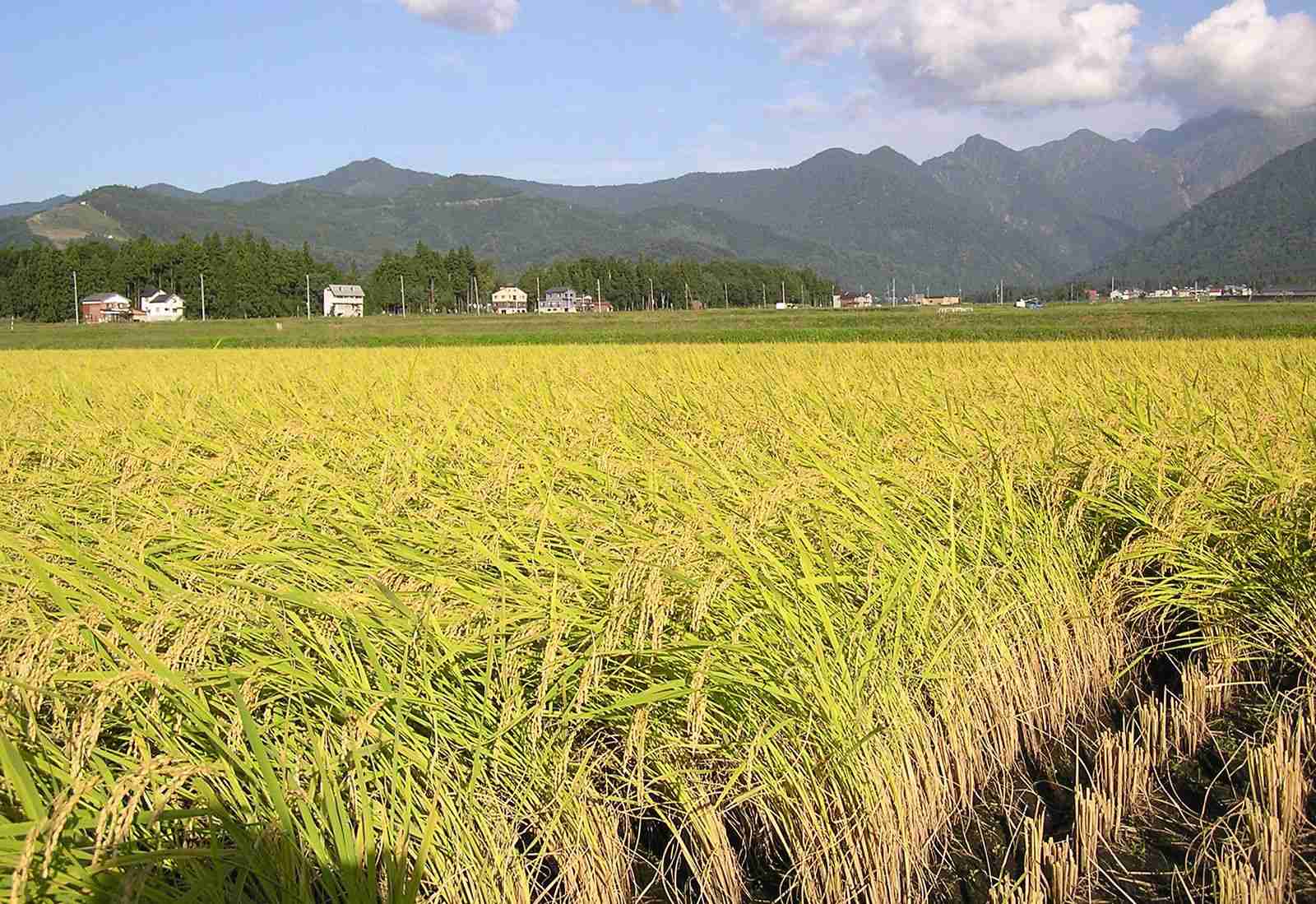
Understanding the Journey of Paddy from Field to Factory
The journey of paddy begins long before it reaches the processing factory. Once harvested, the freshly cut paddy is bundled and transported from the lush green fields. Farmers play a crucial role in ensuring that the grains are handled with care during this transition. Common methods of transportation include:
- Manual Carrying: Farmers often carry paddy sacks on their backs.
- Trucks: Larger quantities are transported using trucks for efficiency.
- Boats: In regions with water access, boats may be utilized to ferry paddy.
Arriving at the processing factory, the paddy undergoes several meticulous stages to transform it into rice ready for consumption. The factory operates like a well-oiled machine, where each process is essential. The first step often involves cleaning, removing impurities such as stones and dirt, followed by soaking, which prepares the grains for milling. A simplified overview of this process includes:
| Process Step | Description |
|---|---|
| Cleaning | Elimination of foreign materials. |
| Soaking | Hydrating the grains for optimal milling. |
| Milling | Removing the husk and bran layers. |
| Packaging | Sealing and branding the processed rice. |

Innovative Technologies Shaping Paddy Processing Efficiency
In the quest for optimal paddy processing, factories are turning to innovative technologies that streamline operations and enhance efficiency. Automation systems equipped with advanced sensors and artificial intelligence are revolutionizing the way paddy is milled. These systems can perform real-time monitoring and adjustment of machinery, ensuring that each grain of rice is processed under the best conditions. Additionally, technologies such as robotic arms for sorting and packaging are minimizing human error and increasing output rates dramatically. The integration of IoT devices enables farmers and processors to track crop quality from field to factory, fostering a seamless supply chain.
Furthermore, sustainable energy solutions are becoming integral to paddy processing facilities. The adoption of solar power and biomass energy is reducing dependence on fossil fuels while lowering operational costs. Smart climate control systems also help maintain optimal conditions within processing environments, maximizing product quality and shelf life. The future of paddy processing is not just about efficiency—it’s about creating an environmentally friendly and resource-conscious model that supports local communities and economies. With continuous advancements in technology, the paddy processing industry is poised for a transformative leap forward.

Quality Control and Sustainability Practices in Modern Processing
In the quest for excellence, modern processing factories have integrated rigorous quality control measures alongside sustainable practices, transforming how paddy rice is processed. A multi-tiered approach to quality assessment ensures that every grain meets strict standards before it graces shelves. A few key quality control steps include:
- Visual Inspection: Trained professionals examine the paddy for impurities or damage.
- Moisture Testing: Advanced equipment measures moisture levels to prevent spoilage during storage.
- Sieve Analysis: Sieves of various mesh sizes separate grains based on size and quality.
Simultaneously, sustainability practices have taken center stage, emphasizing the need for responsible resource management. Modern factories adopt eco-friendly techniques, which include:
- Waste Utilization: Byproducts such as husk are repurposed as biomass fuel or animal feed.
- Water Management: Efficient systems recycle water used in processing, significantly reducing overall consumption.
- Energy Efficiency: Factories are increasingly investing in renewable energy sources, such as solar panels.
| Quality Control Techniques | Sustainability Practices |
|---|---|
| Visual Inspection | Waste Utilization |
| Moisture Testing | Water Management |
| Sieve Analysis | Energy Efficiency |
By harmonizing these practices, processing factories are not just improving their output but are also setting a precedent for industry standards, creating a pathway to a more sustainable future. This dual focus has been recognized as essential for both economic viability and environmental stewardship in the agri-food sector.
Empowering Farmers: The Role of Education and Support in the Industry
Empowering the agricultural community is crucial for the advancement of the paddy processing industry. Education serves as a cornerstone, equipping farmers with vital skills and knowledge necessary to optimize their growth and production processes. By promoting awareness and understanding of sustainable farming practices, farmers can enhance their crop yields while minimizing environmental impact. Some key educational initiatives include:
- Workshops and Training Sessions: Focusing on modern farming techniques.
- Access to Research and Resources: Providing updated information on pest management and crop rotation.
- Community Learning Programs: Encouraging peer-to-peer mentorship.
In addition to education, support systems play a pivotal role in reinforcing farmers’ capabilities. By establishing cooperative societies and offering financial assistance, farmers not only gain access to necessary tools and technology but also build a sense of community. This collaboration can lead to shared resources and marketing opportunities, ensuring that farmers can maximize their profitability. Below is a table showcasing the types of support that can be extended:
| Type of Support | Description |
|---|---|
| Financial Aid | Low-interest loans for purchasing equipment. |
| Technical Assistance | Guidance on harvest management and processing technology. |
| Market Access | Facilitating connections with buyers to expand reach. |
Insights and Conclusions
As we draw the curtain on our journey through the bustling corridors of the paddy processing factory, it’s clear that this intricate ecosystem operates much like a symphony, harmonizing technology and tradition. The art of transforming humble grains into white gold symbolizes not just the labor of countless hands but also the resilience of a community bound by a shared commitment to excellence.
In each grain of rice that emerges from these processing lines lies a story of dedication, innovation, and sustainable practices, reflecting the collective effort to nourish both body and spirit. As the world continues to evolve, the paddy processing industry stands at the crossroads of heritage and progress, adapting to the rhythms of contemporary demand while honoring the age-old practices that have sustained communities for generations.
As we step outside the factory’s walls, let us carry with us an appreciation for the unseen journey that each grain of rice undertakes—from field to plate—and an understanding of the vital role that such facilities play in our global food system. While the machines hum and the workers forge ahead, one thing remains certain: the heart of the paddy factory beats strong, transforming not just grain, but the very fabric of our lives.




