
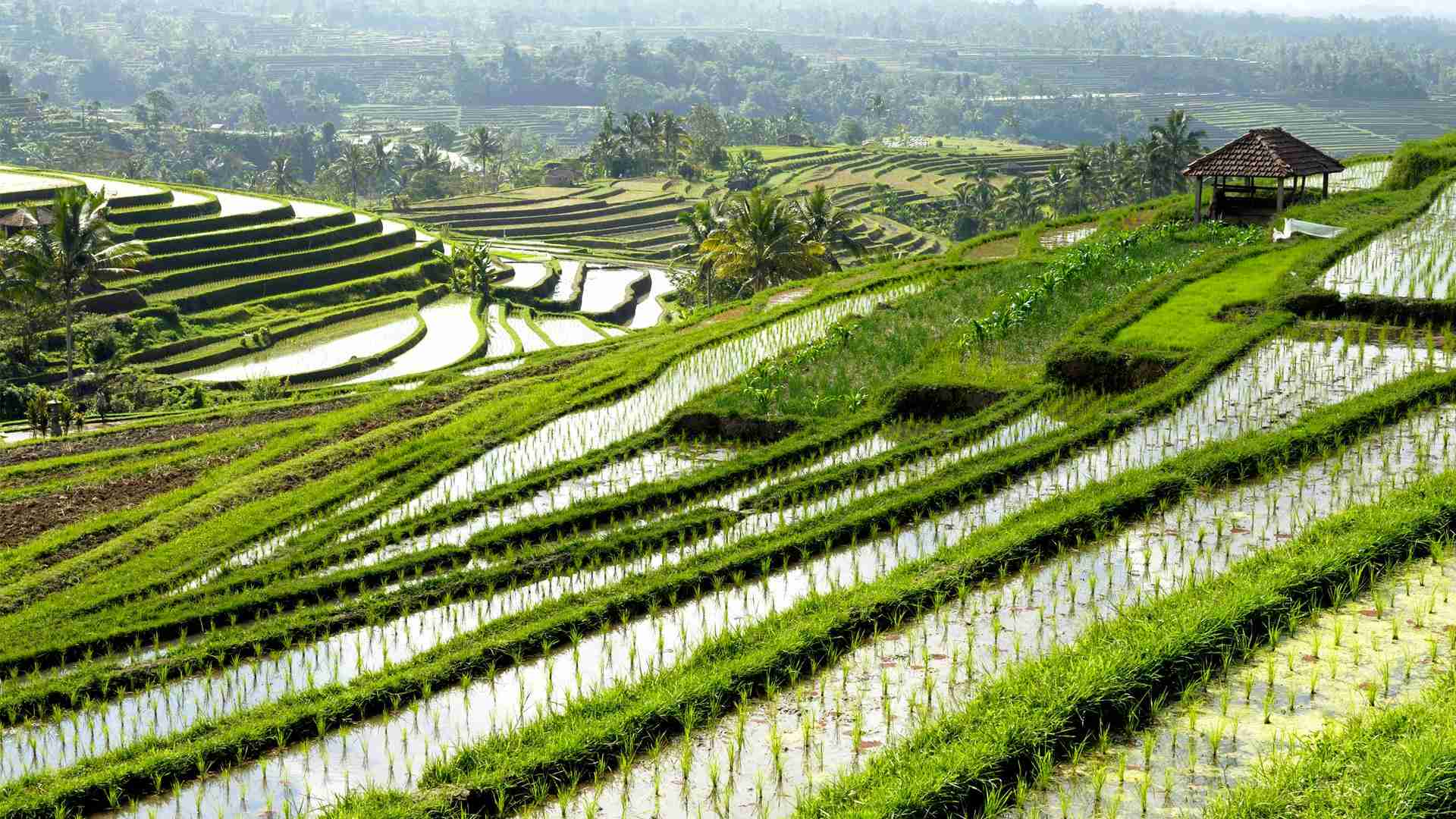
In the verdant swaths of rural landscapes, where the golden grains of paddy sway gently in the breeze, a silent revolution is unfolding. The journey from field to fork is more than a mere transition; it is a complex tapestry woven with tradition, innovation, and sustainability. At the heart of this transformation lies the paddy processing unit—an unsung hero embedded within the agricultural ecosystem. These units, once simple operations, are evolving through advanced technologies, sustainable practices, and a commitment to quality, reshaping the way we perceive and consume rice. In this article, we embark on a journey to explore the intricate processes involved in paddy processing, the challenges faced by this vital industry, and the promising innovations that signal a new era for harvests. Join us as we delve into the transformative story of paddy processing units, revealing their pivotal role in feeding a growing world while preserving the delicate balance of our environment.
Harnessing the Power of Technology in Paddy Processing
The integration of advanced technology in paddy processing units has revolutionized the way we handle agricultural output. By adopting modern machinery and techniques, farmers and processors can significantly enhance productivity and efficiency. Some of the key technological innovations making waves in this field include:
- Automated Milling Machines: These machines streamline the milling process, ensuring uniformity and speed while reducing losses.
- Moisture Meters: Accurate moisture measurement helps in determining the ideal storage conditions, preventing spoilage and quality degradation.
- Quality Control Software: Utilizing advanced software solutions aids in monitoring production quality in real-time, enhancing consistency.
Moreover, the digitalization of operations allows for better management and traceability of paddy processing. The incorporation of data analytics can reveal insights that lead to improved yields and reduced waste. Here’s a concise comparison of traditional versus technology-driven paddy processing:
| Aspect | Traditional Processing | Technology-Driven Processing |
|---|---|---|
| Processing Time | Long and labor-intensive | Fast and efficient |
| Quality Control | Manual checks | Automated monitoring |
| Yield | Inconsistent | Consistent and high |

Sustainable Practices: Reducing Environmental Impact
In the quest for minimizing environmental footprint, paddy processing units are adopting innovative techniques that emphasize sustainability at every stage of operation. By integrating technology and traditional methods, these units are able to lower energy consumption and waste production, leading to a more harmonious relationship with nature. Key initiatives include:
- Water Recycling Systems: Implementing advanced filtration processes to reclaim and reuse water in the milling stages.
- Energy-efficient Machinery: Upgrading to equipment that consumes less power while maintaining processing efficiency.
- Biomass Utilization: Harnessing leftover rice husks and straw as biofuel for heating and energy generation.
Furthermore, collaboration with local farmers is essential in establishing practices that align with ecological preservation. By sourcing rice paddy from sustainable farms, processing units are helping to support biodiversity and reduce the reliance on chemical inputs. The integration of farmer training programs to promote organic cultivation methods allows the entire supply chain to thrive. This collaborative effort can be illustrated as follows:
| Practice | Benefit |
|---|---|
| Organic Farming Initiatives | Reduces chemical runoff and enhances soil health |
| Crop Rotation Techniques | Improves biodiversity and pest management |
| Community Education Programs | Empowers farmers to adopt sustainable methods |
Enhancing Quality and Efficiency in Rice Production
In the quest for superior rice quality and heightened efficiency, modern paddy processing units are employing a blend of innovation and tradition. Advanced milling technologies not only streamline operations but also ensure that less grain is wasted, thus maximizing output. Automated systems are being introduced to reduce labor dependency and enhance precision in processing. Moreover, real-time monitoring enables farmers to implement adjustments on-the-fly, ensuring each batch meets quality standards while effectively utilizing energy resources.
With a focus on sustainability, many processing units are incorporating eco-friendly practices into their operations. By embracing renewable energy sources, such as solar power, these units reduce their carbon footprint while promoting self-sufficiency. By investing in the training of local workforce to handle sophisticated equipment, paddy processing becomes an integral part of community development. The following table highlights the key benefits associated with modern rice processing units:
| Benefits | Impact on Production |
|---|---|
| Waste Reduction | Higher yield from each harvest |
| Quality Control | Consistent grain quality |
| Efficiency | Lower operational costs |
| Sustainability | Less environmental impact |
Empowering Farmers Through Cooperative Processing Models
Cooperative processing models have emerged as a vital solution for increasing the efficiency and profitability of paddy farming. By coming together under a collective framework, farmers can pool resources, share knowledge, and leverage economies of scale. This not only reduces individual costs associated with processing but also enhances the overall quality of paddy produced. Through these cooperative units, farmers gain access to state-of-the-art machinery and technology that might be unaffordable on a personal level, thus leading to improved production techniques and better market outcomes.
Moreover, the cooperative approach fosters a sense of community and solidarity among farmers, strengthening their negotiating power in the market. This unity allows them to:
- Negotiate better prices for their harvested paddy due to increased supply and collaboration.
- Implement sustainable practices that ensure long-term soil health and environmental stewardship.
- Provide training and education on modern techniques in paddy processing and crop management.
In addition, cooperative processing models can facilitate access to government schemes and financial support, making it easier for farmers to scale their operations. This transformative journey not only benefits individual farmers but also contributes to the resilience and growth of the agricultural sector as a whole.
In Summary
As we conclude our exploration into the transformative journey of paddy processing units, it becomes evident that these facilities are not just centers of production; they are pivotal players in the agricultural narrative. By harnessing innovation and dedication, paddy processing units have unlocked the full potential of the humble grain, turning it into a staple that sustains millions.
The journey from field to table is intricate and layered, yet these units stand as a testament to human ingenuity and the relentless quest for efficiency and quality. As we reflect on the evolution of these processing hubs, we recognize the role they play in bolstering economies, improving food security, and ensuring that the fruits of labor reach the consumer with integrity.
Looking ahead, the future of paddy processing holds promise. With advancements in technology and sustainability practices, we can anticipate a continued transformation that will not only elevate the standards of rice production but also create a ripple effect throughout the agricultural sector.
In this ever-evolving landscape, it remains crucial to support and understand these processing units, for in their success lies the potential for a more resilient and abundant food system. As we embrace the journey of transformation, may we continue to celebrate and innovate the means by which we nurture our planet and its people.




