
In the quiet embrace of dawn, as fields of golden paddy sway gently in the breeze, the heartbeat of agriculture pulses with potential. Each grain, a promise of sustenance and prosperity, eagerly awaits its transformation. But beyond the vast landscapes and the labor of farmers lies a crucial element often overlooked—the paddy processing unit. These unsung heroes of the agricultural supply chain are not merely machines; they are the vital link that turns harvested rice into the staple food cherished by billions. This article explores the essential role of paddy processing units, uncovering how they enhance food security, boost economic growth, and contribute to sustainable agricultural practices, ultimately reshaping the landscape of global food production. Join us as we delve into the intricate processes, innovations, and challenges that define the journey from field to table, revealing the transformative power of paddy processing in the modern agricultural narrative.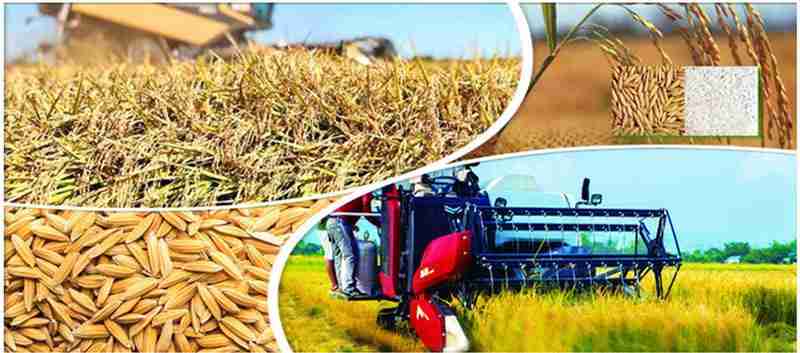
Understanding the Importance of Paddy Processing for Rural Economies
The transformation of paddy into consumable rice through processing is a critical aspect that significantly impacts rural economies. By establishing local processing units, communities not only enhance the quality of the produce but also reduce transportation costs and limits food spoilage. This strategic move allows farmers to receive better prices for their paddy, ensuring a more robust income flow. Additionally, it creates job opportunities within the community, encouraging young individuals to stay in rural areas rather than migrating to urban centers in search of employment. The emphasis on paddy processing cultivates a sustainable cycle of growth, where profits can be reinvested into local agribusinesses and infrastructure development.
Moreover, the advent of technology in paddy processing has revolutionized traditional practices, introducing efficiency and minimizing waste. Key benefits of investing in paddy processing units include:
- Increased Value Addition: Processed rice fetches higher market prices.
- Improved Nutrition Access: Quality control in processing ensures healthier products.
- Market Diversification: Processed products can lead to the development of new markets, such as organic rice.
- Enhanced Export Potential: Properly processed rice meets international standards, opening global trade opportunities.
To further illustrate the impact, consider the following table showcasing income enhancement through local processing:
| Processing Method | Income Increase (%) |
|---|---|
| Traditional milling | 20% |
| Modern processing unit | 40% |
| Organic certification | 60% |
This showcases how improved processing methods lead to greater financial returns for farmers, underlining the direct correlation between effective paddy processing and the prosperity of rural economies.
Innovative Technologies in Paddy Processing: Enhancing Quality and Efficiency
In the realm of food production, the integration of cutting-edge technologies into paddy processing has revolutionized the industry, ensuring superior quality and improved efficiency. Modern automated milling systems not only minimize human error but also enhance the precision of grain separation, thereby maintaining more nutrients within the rice. The implementation of optical sorting machines has further refined this process, allowing processors to detect and eliminate impurities based on size and color, ensuring that only the highest quality grains reach consumers.
Moreover, the introduction of smart monitoring systems with IoT technology has provided real-time data analysis that aids in optimizing the processing conditions. Benefits include:
- Reduced waste due to efficient resource management.
- Energy savings through smarter machinery operation.
- Enhanced traceability of paddy from farm to table, ensuring food safety regulations are met.
These innovations not only boost productivity but also empower farmers and producers to meet the growing global demand for high-quality rice, establishing a more sustainable approach to agriculture. The tables below highlight some of the key technologies currently transforming paddy processing:
| Technology | Functionality | Benefits |
|---|---|---|
| Automated Milling Systems | Precision grain separation | Minimizes human error and nutrition loss |
| Optical Sorting Machines | Removes impurities | Ensures high-quality grain output |
| Smart Monitoring Systems | Real-time data analysis | Optimizes production efficiency |

Sustainability Practices in Paddy Processing for a Greener Future
In the realm of paddy processing, sustainability isn’t just a trend—it’s a necessity for creating a greener future. By adopting eco-friendly practices, processing units can significantly reduce their environmental footprint. Water conservation, for instance, can be achieved through the implementation of closed-loop systems that recycle water from husking and milling processes back into the production cycle. Additionally, utilizing renewable energy sources, such as solar or biomass energy, can power machinery and operations, drastically lowering reliance on fossil fuels. Innovative approaches also include employing organic fertilizers and crop rotation methods that enrich the soil, ensuring healthier crops without the harmful effects of chemical inputs.
Moreover, embracing the circular economy model can radically transform paddy processing units. This involves transforming waste products from processing, such as rice husks and bran, into usable resources. For example, rice husks can be converted into biochar or used as a biomass fuel source to generate energy, while bran can be processed into nutritious animal feed or health supplements. By focusing on waste minimization and resource recovery, paddy processing can contribute not only to economic viability but also to ecological health. The following table illustrates some of the key practices and their benefits:
| Practice | Environmental Benefit |
|---|---|
| Water Recycling | Reduced water waste |
| Renewable Energy Use | Lower carbon emissions |
| Waste-to-Resource Conversion | Minimized landfill impact |
Building Community Partnerships: The Key to Successful Paddy Processing Units
Establishing strong ties within the community is essential for the growth and sustainability of paddy processing units. When local farmers, co-operatives, and processing facilities collaborate, they create a solid support network that benefits everyone involved. This community synergy not only enhances resource-sharing but also fosters innovation. Collaboration can lead to improved harvesting techniques, better grain quality, and efficient processing methods. Key elements to focus on include:
- Education: Workshops and training programs to equip farmers with modern agricultural practices.
- Resource Sharing: Pooling equipment and facilities to reduce costs and improve efficiency.
- Market Access: Joint marketing initiatives to strengthen bargaining power and expand reach.
Moreover, establishing partnerships with local government agencies and agricultural organizations can further elevate the capabilities of paddy processing units. These partnerships can provide access to financial aid, technical expertise, and vital infrastructure. By creating a framework that encourages investment in processing technology and facilities, communities can ensure a more stable supply chain. Below is a table illustrating some key benefits of community partnerships:
| Benefit | Description |
|---|---|
| Increased Efficiency | Collaborative approaches lead to streamlined operations and reduced waste. |
| Enhanced Quality | Shared knowledge improves product quality and processing standards. |
| Community Empowerment | Partnerships foster shared ownership, enhancing local investment. |
Insights and Conclusions
the journey from field to table is a complex tapestry woven with threads of technology, tradition, and tireless effort. Paddy processing units stand as the unsung heroes in this narrative, transforming freshly harvested grains into the staple that nourishes millions. By embracing innovation and focusing on sustainability, these units not only enhance agricultural efficiency but also contribute significantly to food security and economic development.
As we look toward the future, it is essential to recognize and support the pivotal role these facilities play in elevating the global rice industry. In doing so, we enable farmers to thrive, communities to flourish, and cultures to preserve their culinary heritage. The next time you savor a bowl of rice, remember the intricate processes and dedicated individuals behind each grain—transforming harvests today for a more sustainable tomorrow.




