
In the hushed symphony of a paddy processing plant, the story of grain unfolds—a tale of transformation that begins in sun-drenched fields and culminates in the bustling heart of the mill. Here, amid the rhythmic hum of machinery and the scent of freshly milled rice, every grain undergoes a metamorphosis. From rustic stalk to polished pearl, the journey is both an art and a science, reflecting centuries of agricultural wisdom intertwined with modern technology. As we delve into the intricate processes and innovations that define these facilities, we shine a light on the unsung heroes behind our staple food. Join us as we explore the inner workings of a paddy processing plant, where tradition meets technology, and every harvest is a testament to human ingenuity and resilience.
Understanding the Paddy Processing Journey from Field to Fork
The journey of paddy from the field to your table is a fascinating process that begins with careful cultivation. Harvesting is just the first step in a meticulous series of operations that transform wet, unprocessed grains into the polished rice we recognize. In the fields, farmers monitor the growth stages, ensuring optimal moisture and maturity before cutting the plants. Once harvested, the paddy progresses through several key processing stages, which include:
- Threshing: Separating the grains from the stalks.
- Drying: Reducing moisture content to prevent spoilage.
- Milling: Removing the husk and polishing the grains.
- Sorting: Eliminating broken grains and impurities.
- Packing: Preparing the final product for distribution.
Each step plays a crucial role in ensuring the quality and safety of the rice. By the time paddy arrives at the processing plant, it undergoes additional checks to maintain consistency and flavor. Modern facilities employ various technologies that enhance efficiency while minimizing waste. The processed rice is categorized based on grain size, quality, and nutritional value, as shown in the table below:
| Category | Grain Size | Typical Use |
|---|---|---|
| Jasmine | Long | Thai dishes |
| Basmati | Long | Indian cuisine |
| Black Rice | Medium | Salads, desserts |
| Arborio | Short | Risotto |
This systematic approach from soil to shelf ensures that the rice you enjoy is not only delicious but also meets safety standards, thus exemplifying the dedication to quality throughout the entire processing journey.
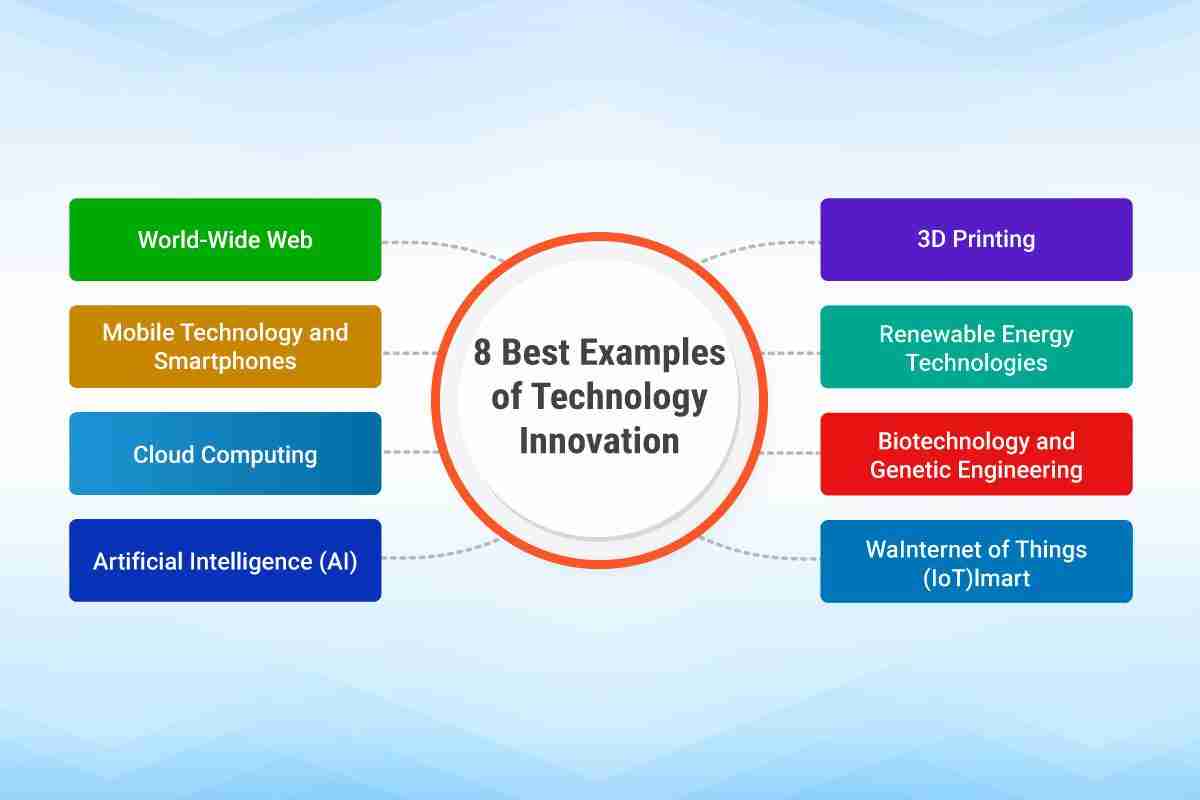
Innovative Technologies Shaping Modern Harvesting Efficiency
As the agricultural landscape evolves, the integration of innovative technologies into harvesting processes is leading to unprecedented efficiency in paddy processing plants. Automation, for instance, plays a crucial role in minimizing human error and optimizing production speed. Drones equipped with advanced imaging technology can assess crop health and monitor growth patterns, providing invaluable data for decision-making. Moreover, the use of sensor-based technologies allows for real-time monitoring of moisture content and temperature, ensuring that harvested paddy reaches optimal conditions for milling.
Furthermore, data analytics and machine learning are becoming essential tools in streamlining operations. By analyzing historical and real-time data, paddy processing plants can predict yield outcomes and manage resources more effectively. Some of the remarkable advancements in this area include:
- Automated Harvesting Equipment: Sophisticated machines that can harvest crops with minimal human intervention.
- Smart Milling Equipment: Technology that adjusts milling processes based on grain characteristics, improving end-product quality.
- Blockchain Integration: Enhancing traceability in the supply chain from field to consumer.
| Technology | Impact on Harvesting |
|---|---|
| Autonomous Tractors | Reduces labor costs and increases operational hours. |
| Smart Irrigation Systems | Optimizes water usage and promotes sustainable practices. |
| AI-Powered Crop Monitoring | Enhances yield predictions and disease detection. |

Quality Control Measures Enhancing Grains for Market Readiness
In the highly competitive landscape of grain production, maintaining a high level of quality is paramount. At our paddy processing plant, rigorous quality control measures ensure that every grain meets the highest standards before reaching the market. A multifaceted approach encompasses various stages from initial sorting to final packaging. Key practices include:
- Visual Inspection: Trained personnel conduct thorough assessments of the grains to identify and eliminate any impurities.
- Moisture Testing: Advanced moisture meters are utilized to guarantee that grains are dried to optimal levels, preventing spoilage.
- Size Grading: Automated machinery sorts grains by size, ensuring uniformity and enhancing market appeal.
- Laboratory Analysis: Samples undergo rigorous laboratory testing to check for contaminants and nutritional quality.
Consistency is key, and as production advances, adherence to established benchmarks remains a cornerstone of our operations. We continually upgrade our methodologies in response to emerging industry standards, allowing us to adapt quickly to market demands. The detailed data collected at each stage fortifies our strategies, which can be summarized as follows:
| Measure | Description |
|---|---|
| Quality Assurance Audits | Regular audits to ensure compliance with quality standards and regulations. |
| Worker Training | Ongoing education for staff on best practices in quality control. |
| Feedback Loops | Incorporating market feedback to refine processes continuously. |
Sustainable Practices for a Greener Future in Paddy Processing
In the quest for a greener future, paddy processing plants are increasingly adopting innovative techniques that not only enhance productivity but also minimize environmental impact. By implementing water conservation measures, processors can significantly reduce the amount of water consumed throughout the milling process. This can be achieved through the use of closed-loop water systems that recycle water for multiple uses. Additionally, the integration of solar energy into the operations helps to offset energy costs while harnessing a renewable energy source, further contributing to sustainability.
Moreover, various waste management strategies are being introduced to ensure that by-products of paddy processing are utilized effectively. This includes transforming rice husks and straw into organic fertilizers or bioenergy, thereby reducing waste and enriching the soil. Here are some key practices that are being implemented:
- Composting: Utilizing organic waste to create compost enriches soil health.
- Bioenergy Production: Converting waste materials into biofuels provides an alternative energy source.
- Precision Agriculture: Adopting technology to monitor and manage resources efficiently.
| Practice | Benefit |
|---|---|
| Water Recycling | Reduces water waste and lowers costs |
| Renewable Energy Use | Decreases carbon footprint |
| Waste-to-Value Programs | Generates additional revenue from by-products |
Final Thoughts
As we conclude our journey through the heart of the Paddy Processing Plant, we are reminded of the intricate dance between nature and technology that transforms humble grains into essential staples for countless communities. Each step of the process, from harvesting to milling, encapsulates a world of expertise, innovation, and sustainability, ensuring that the fruits of hard labor reach our tables with the highest quality.
This facility not only serves as a testament to the advancements in agricultural practices but also highlights the critical importance of food security in our ever-evolving world. As farmers, technologists, and workers collaborate beneath its roof, they forge a future where efficiency and sustainability go hand in hand.
In a world where the challenges of climate change and food production loom large, the endeavors undertaken within these walls are more significant than ever. The paddy processing plant stands not just as a hub of production, but as a beacon of hope that reminds us of our shared responsibility to nourish our planet and its people.
As we leave the world of grains and machinery behind, let us carry forward the lessons learned and the inspiration gathered from this remarkable facility. The transformation of harvest is not merely a process; it is an ongoing commitment to nurturing life and feeding generations to come.




