
In the heart of every bustling community lies a silent driver of sustenance—grains, the backbone of culinary creations across cultures. Yet, the journey from field to fork is an intricate one, teeming with transformation, technology, and tradition. Welcome to the paddy processing plant, a fascinating world where raw rice undergoes a meticulous metamorphosis. Here, the golden grains are polished, sorted, and packaged, ready to reach kitchens around the globe. In this article, we will delve into the inner workings of these essential facilities, uncovering the steps that elevate humble paddy into the staple that nourishes millions. From the sounds of machinery to the science behind processing techniques, join us as we explore how grains are not just harvested, but skillfully transformed into the food we love.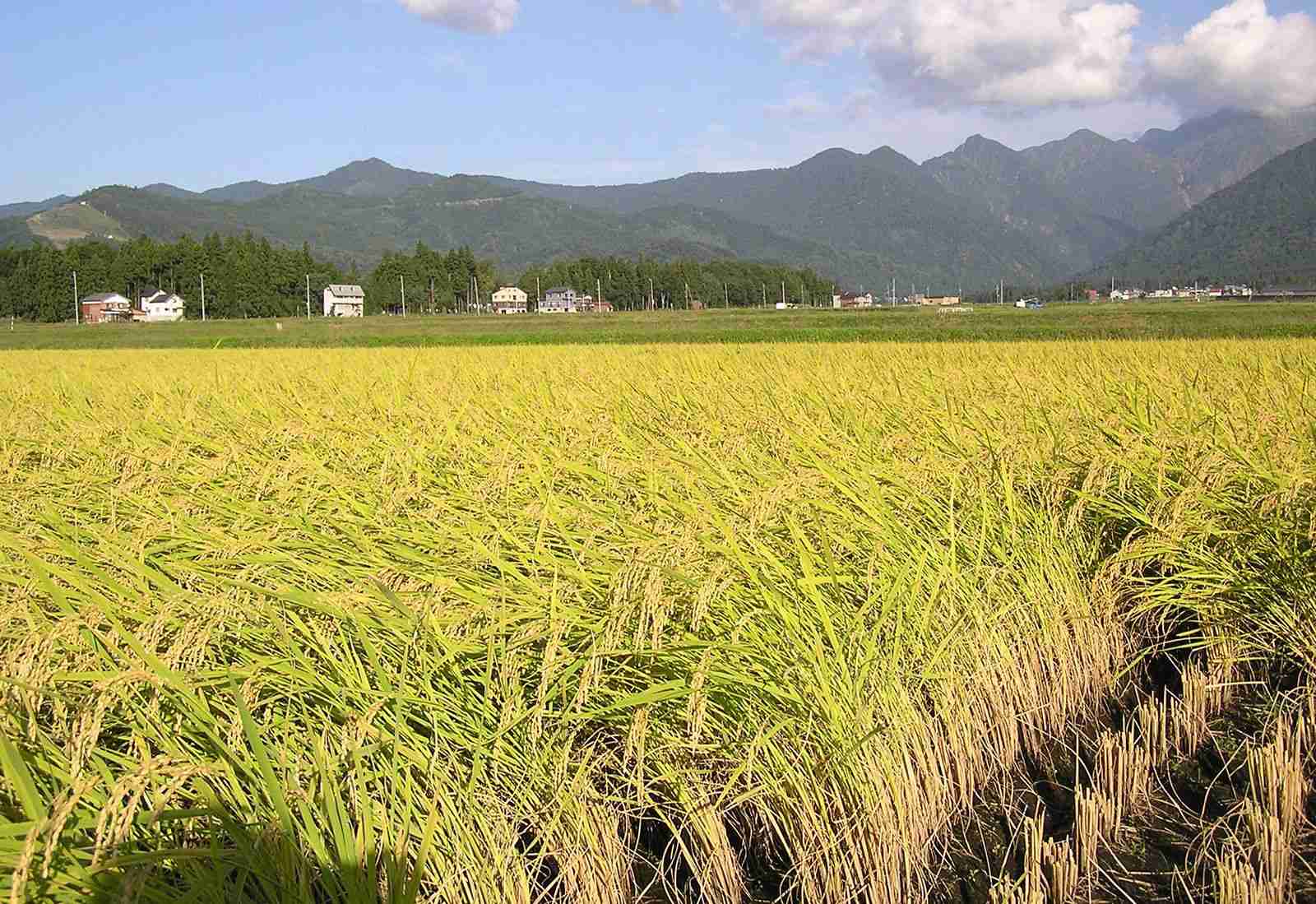
Understanding the Journey from Paddy to Polished Rice
At the heart of every delicious plate of rice, lies a meticulous journey that starts with paddy and culminates in polished grains ready for the dinner table. The paddy processing plant plays a pivotal role, applying a series of transformative steps that refine the raw crop into its final nutritious form. Initially, harvested paddy is delivered to the plant, where it undergoes cleaning to remove impurities such as stones, husks, and dirt. Once cleaned, the next phase is hulling, where the hard outer husk is removed, revealing brown rice. This brown rice is rich in nutrients but requires further processing to achieve the desired polished white rice quality that most consumers prefer.
The processing does not stop at hulling. The brown rice then moves on to the milling stage, where it is polished to achieve that signature glossy appearance. During this phase, rice goes through various machines, each designed to remove bran layers while preserving the core grain. After milling, the rice undergoes a crucial grading process to ensure uniformity and quality control, separating the grains into different categories based on size and quality. This systematic journey from paddy to polished rice encapsulates a blend of tradition and innovation in agricultural processing, emphasizing the importance of each step in maintaining the grain’s nutritional value and flavor.
| Processing Step | Description |
|---|---|
| Cleaning | Removes impurities before processing. |
| Hulling | Separates the husk from the grain. |
| Milling | Polishes the brown rice to create white rice. |
| Grading | Sorts rice based on size and quality. |
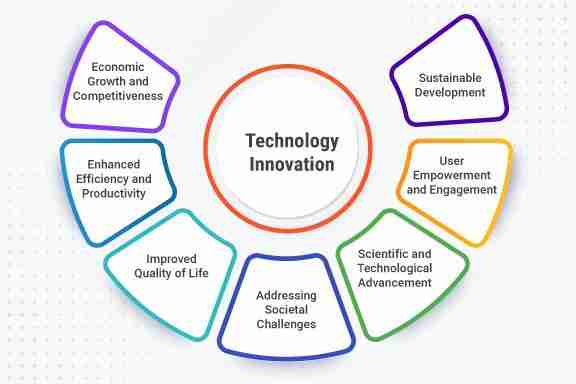
Innovative Technologies Reshaping Grain Processing Efficiency
The landscape of grain processing is undergoing a remarkable transformation, with cutting-edge technologies leading the way towards enhanced efficiency and sustainability. One of the most pivotal advancements is the integration of automation systems, which significantly minimizes labor costs and human error. These intelligent systems leverage sensors and robotics for real-time monitoring and adjustments, ensuring that each stage of the processing operates at optimal levels. Additionally, data analytics plays a vital role; processing plants now harness big data to predict trends, monitor supply chain logistics, and streamline operations, ultimately enhancing overall productivity.
Notably, innovations in energy management technologies are also making waves, reducing the environmental footprint of grain processing. By employing renewable energy sources and advanced equipment like high-efficiency dryers, facilities are able to cut down on power consumption while maintaining quality. Supplementing this are smart storage solutions equipped with climate control and remote access, allowing for better preservation of grain quality and reduction of spoilage. This confluence of innovative solutions is not only reshaping the processing of grains but also paving the way for a greener and more efficient future in agriculture.
Quality Control Measures Ensuring Premium Output
At the heart of paddy processing lies a slew of meticulously designed quality control measures that are pivotal in transforming raw grains into superior quality products. The facility employs a series of state-of-the-art technologies and expert oversight to ensure that every batch of rice meets the highest standards. Some of the key processes include:
- Stringent Incoming Inspection: Every load of paddy undergoes rigorous testing for moisture content, impurities, and overall grain quality before processing begins.
- Automated Sorting Systems: Utilizing advanced optical sorters, the plant ensures that only the best grains pass through, eliminating any foreign materials and inferior grains.
- Continuous Monitoring: Real-time data tracking during milling and polishing stages allows for immediate adjustments, ensuring consistent output quality.
Furthermore, the commitment to quality extends beyond just handling the grains. The plant incorporates a comprehensive feedback loop that allows teams to analyze the final product’s quality regularly. This includes:
| Quality Aspect | Feedback Mechanism |
|---|---|
| Texture | Conducted sensory evaluations by trained tasters. |
| Appearance | Visual inspections against predefined standards. |
| Aroma | Regular assessments to identify any off-odors. |
This holistic approach not only fortifies the quality assurance framework but also fosters continuous improvement, ensuring that the rice produced not only meets but surpasses market expectations.
Sustainable Practices for Eco-Friendly Grain Transformation
In modern grain transformation, sustainable practices play a vital role in minimizing environmental impact. A focus on waste reduction ensures that every part of the grain is utilized efficiently. Key methodologies include:
- Upcycling by-products: Using husks and bran in animal feed or as biofuel.
- Water conservation: Implementing rainwater harvesting systems to reduce dependence on natural water sources.
- Energy efficiency: Transitioning to renewable energy sources like solar and wind to power processing equipment.
Moreover, embracing eco-friendly packaging options is essential for reducing overall carbon footprints. Sustainable packaging not only preserves the quality of the grains but also encourages consumers to embrace responsible choices. Some innovative practices in this area include:
- Biodegradable materials: Using materials that decompose quickly, such as plant-based plastics.
- Recyclability: Designing packaging that can easily be recycled or repurposed.
- Minimalist designs: Reducing excess packaging to lower resource consumption and waste generation.
Future Outlook
As we draw the curtains on our exploration of the paddy processing plant, we find ourselves at the intersection of tradition and innovation. Each kernel of rice, transformed through meticulous processes, carries not only the promise of nourishment but also the story of countless hands that cultivated and cared for it. The journey from paddy to polished grain is a testament to human ingenuity and an intricate dance with nature.
In this world of transforming grains, we’ve witnessed how modern machinery intertwines with age-old practices, ensuring that quality and sustainability remain at the forefront. Whether it’s the gentle embrace of the sun drying the paddy or the rhythmic hum of sorting machines, every step plays a crucial role in bringing forth a staple that feeds millions.
As we take a moment to reflect on the sheer complexity behind such a simple grain, let us acknowledge the ongoing efforts to enhance processes, reduce waste, and promote responsible farming practices. The future of paddy processing is bright, and with continued innovation, we can look forward to a more sustainable and efficient agricultural landscape.
In this ongoing narrative of grains’ transformation, the paddy processing plant stands as a beacon of progress, reminding us that every bite we take is linked to a broader ecosystem—one that deserves our respect and care. And as we move forward, let us savor not just the flavors on our plate but the stories embedded in each grain that connects us to our world.




