
In the heart of agricultural landscapes, where lush green fields sway gently in the breeze, grains embark on a journey that transcends their humble beginnings. The paddy processing factory stands as a bridge between the simplicity of raw harvest and the culinary delights that grace our tables. Here, a symphony of machinery, time-honored techniques, and dedicated hands work in unison to transform unassuming grains into vibrant rice—an essential staple that feeds millions. This article takes you inside the bustling world of paddy processing, revealing the intricate processes, innovative technology, and sustainable practices that define this vital industry. Join us as we explore how grains are carefully nurtured, expertly milled, and skillfully packaged, turning nature’s bounty into the sustenance that nourishes our global community.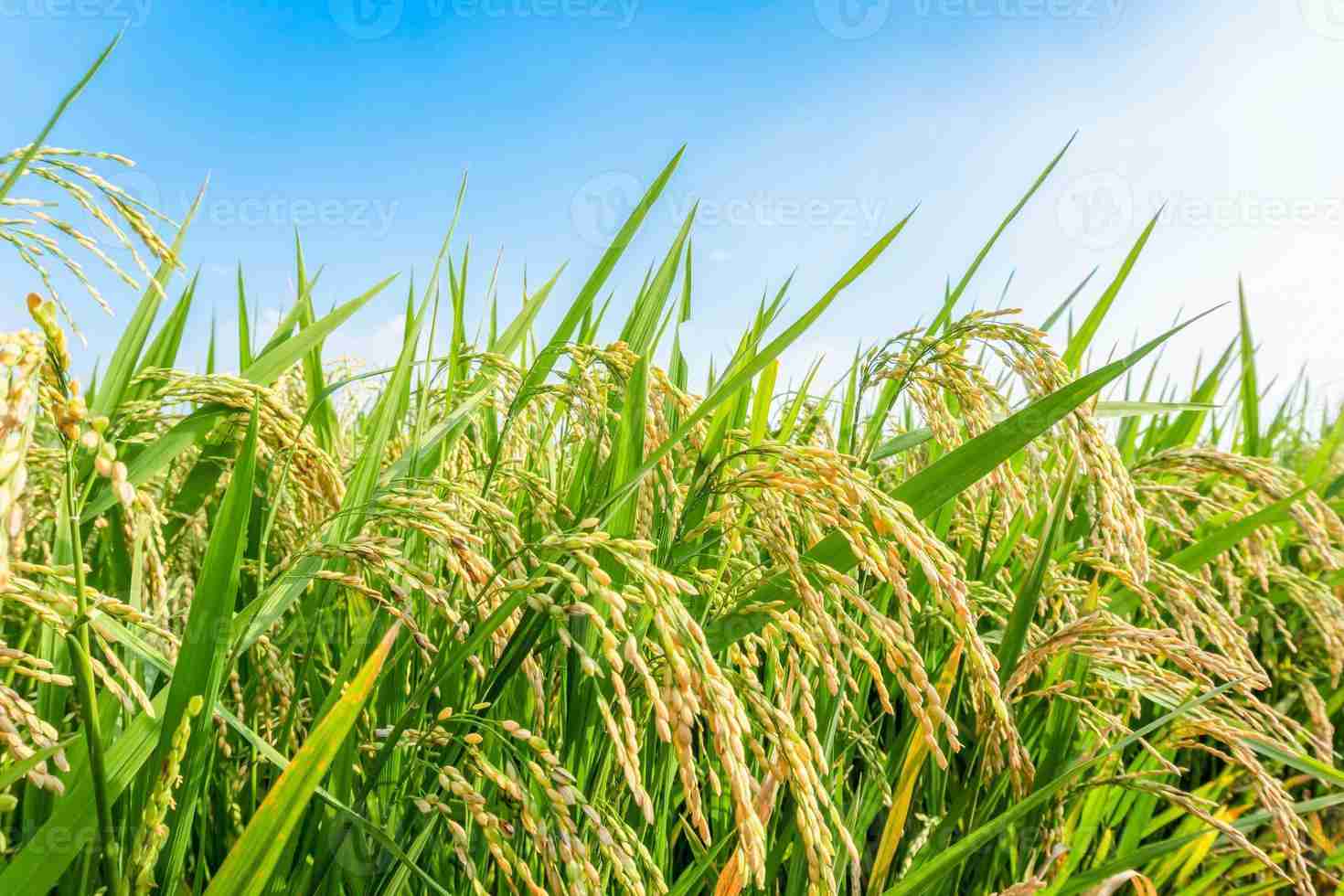
Exploring the Paddy Processing Journey from Farm to Table
The journey of paddy from farm to table is a testament to the intricate steps involved in grain transformation. Upon harvest, paddy is carefully collected and transported to processing facilities where it undergoes a thorough cleaning process. This crucial step removes impurities and ensures the highest quality grains for consumers. The processing journey can be broken down into several key stages, each vital to maintaining the integrity and nutritional value of the rice. These stages include:
- Dehusking: The outer husk is removed to reveal the brown rice underneath.
- Whitening: The brown rice is milled to eliminate the bran layer, resulting in white rice.
- Sorting: Advanced machinery sorts the rice based on size and quality.
- Packaging: the processed rice is packaged for distribution, ensuring it reaches consumers in pristine condition.
The entire paddy processing cycle hinges on meticulous attention to detail, ensuring that what eventually reaches your plate is a product of not just hard work, but also careful craftsmanship. To further appreciate the complexity of this system, consider the efficiency of a modern processing facility as illustrated in the table below, highlighting production capacities at various stages:
| Processing Stage | Average Daily Output (in tons) |
|---|---|
| Dehusking | 150 |
| Whitening | 120 |
| Sorting | 110 |
| Packaging | 200 |

Innovative Techniques in Grain Milling and Quality Control
In the realm of grain milling, innovation plays a crucial role in enhancing both efficiency and quality. State-of-the-art machinery contributes to precise grain handling, ensuring minimal loss and maximum yield. Advanced techniques such as cold milling preserve the nutritional integrity of grains, while air classification separates products based on weight and size, optimizing the quality of the final product. Other noteworthy methods include:
- Digital monitoring systems that track grain temperatures and moisture levels to prevent spoilage.
- Predictive maintenance algorithms that forecast equipment malfunctions before they occur, reducing downtime.
- Inline quality testing to assess grain properties throughout the milling process, ensuring consistency.
Furthermore, quality control within the milling process has been revolutionized by adopting machine learning models that analyze grain samples for defects. By utilizing spectral analysis technologies, mills can evaluate color, shape, and size parameters in real time. This leads to fewer human errors and an overall increase in quality assurance. Below is a brief overview of the key quality parameters monitored:
| Quality Parameter | Measurement Technique | Importance |
|---|---|---|
| Moisture Content | Infrared Analysis | Prevents spoilage and maintains shelf-life |
| Grain Hardness | Texture Analyzer | Affects milling efficiency and end product quality |
| Contaminant Detection | Optical Scanners | Ensures food safety and compliance with regulations |

Sustainability Practices in Paddy Processing Facilities
In the quest for eco-friendly operations, paddy processing facilities are integrating innovative approaches to reduce their environmental footprint. These facilities have adopted practices that not only enhance efficiency but also promote sustainability throughout the production cycle. Among the key initiatives are:
- Water Conservation: Implementing closed-loop water systems to recycle water used in milling and washing processes.
- Energy Efficiency: Utilizing energy-efficient machinery and incorporating solar panels to harness renewable energy for facility operations.
- Waste Reduction: Recycling byproducts such as rice husk and straw into biofuel and organic fertilizers, minimizing waste generation.
- Organic Certification: Pursuing organic certification to ensure that paddy processing meets the highest environmental standards.
The transition to sustainable practices is not solely beneficial for the environment but also enhances the overall quality of the grains produced. By focusing on integrated management, paddy processing plants are optimizing their use of resources while ensuring that quality remains uncompromised. The impact of these efforts can be better illustrated through the following table, showcasing sustainable outcomes:
| Practice | Outcome | Benefit |
|---|---|---|
| Water Recycling | Reduced water usage by 40% | Conserves local water resources |
| Solar Power Adoption | 50% decrease in energy costs | Lower carbon footprint |
| Utilization of Byproducts | Zero waste output | Enhanced profitability through new revenue streams |
Enhancing Nutritional Value: The Role of Fortification in Grain Products
In the quest to improve public health and combat nutrient deficiencies, fortification of grain products has emerged as a vital strategy. By incorporating essential vitamins and minerals into staple grains, manufacturers are ensuring that everyday foods not only satisfy hunger but also contribute to a balanced diet. Common fortifying agents include iron, folic acid, and B vitamins, which are particularly important in regions where populations have limited access to a variety of foods. These enhancements play a significant role in boosting the nutritional profile of grains, offering significant benefits such as improved cognitive function and increased energy levels.
Fortified grains can serve as a primary source of essential nutrients, especially in developing countries where dietary restrictions may prevail. Incorporating fortified grains into regular diets can effectively combat widespread deficiencies. Consider the following potential benefits of consuming fortified grains:
- Reduction in Iron Deficiency Anemia: Iron fortification can lead to improved hemoglobin levels and overall health.
- Enhanced Folate Levels: Folic acid fortification supports fetal development and minimizes the risk of neural tube defects during pregnancy.
- B Vitamin Boost: Increased levels of B vitamins can improve energy metabolism and mental clarity.
To illustrate the impact of these enhancements, here is a simple comparison of the nutritional content of fortified versus non-fortified grain products:
| Nutrient | Non-Fortified Grains (per 100g) | Fortified Grains (per 100g) |
|---|---|---|
| Iron | 1.2 mg | 4.5 mg |
| Folic Acid | 10 µg | 200 µg |
| Vitamin B12 | 0 µg | 1.5 µg |
By understanding the profound implications of fortification, both consumers and producers can appreciate the underlying importance of these enhancements. As grain products continue to evolve, the focus on nutrition and health will remain imperative, ensuring that grains not only serve as a source of sustenance but also as cutting-edge contributors to public health.
To Conclude
As we conclude our journey through the intricate world of paddy processing, it becomes clear that this seemingly simple grain is the backbone of sustenance for millions worldwide. The transformation of raw paddy into polished rice is not just a mechanical process but a blend of tradition, innovation, and dedication. Each step, from harvesting in the golden fields to the final packaging in the factory, tells a story of resilience and progress, echoing the rhythm of agricultural life.
In the heart of the processing factory, technology meets craftsmanship, ensuring that the grains retain their nutritional integrity while meeting the demands of a growing population. This delicate balance between efficiency and quality serves as a reminder of the importance of sustainable practices in our food systems.
As we leave the impressive machinery behind and step back into the broader agricultural landscape, let us appreciate the unsung heroes—the farmers, workers, and engineers—whose efforts turn humble grains into the staple foods that nourish us. The next time you enjoy a bowl of rice, remember the journey it has taken from paddy fields to your plate, and consider the ongoing transformation that continues to evolve in these facilities. The future of grain processing lies not only in innovation but in our collective responsibility to honor the resources we cultivate and the communities we feed.




