Transforming Grain to Gold: The Journey of Paddy Processing
In the heart of lush green fields, where the golden grains sway gracefully in the breeze, lies a remarkable transformation waiting to unfold. Paddy processing, an intricate dance between nature and human ingenuity, turns humble grains into a staple that nourishes millions. This journey—from paddy fields to polished rice—encapsulates centuries of tradition, innovation, and sustainability.As we delve into the art and science behind this metamorphosis, we’ll explore the steps that elevate simple grains into culinary treasures, all while highlighting the cultural significance and economic impact of paddy processing across the globe. Join us as we embark on this enlightening expedition, discovering the pathways that lead from soil to sustenance, and the profound connections we share with the food that graces our tables.
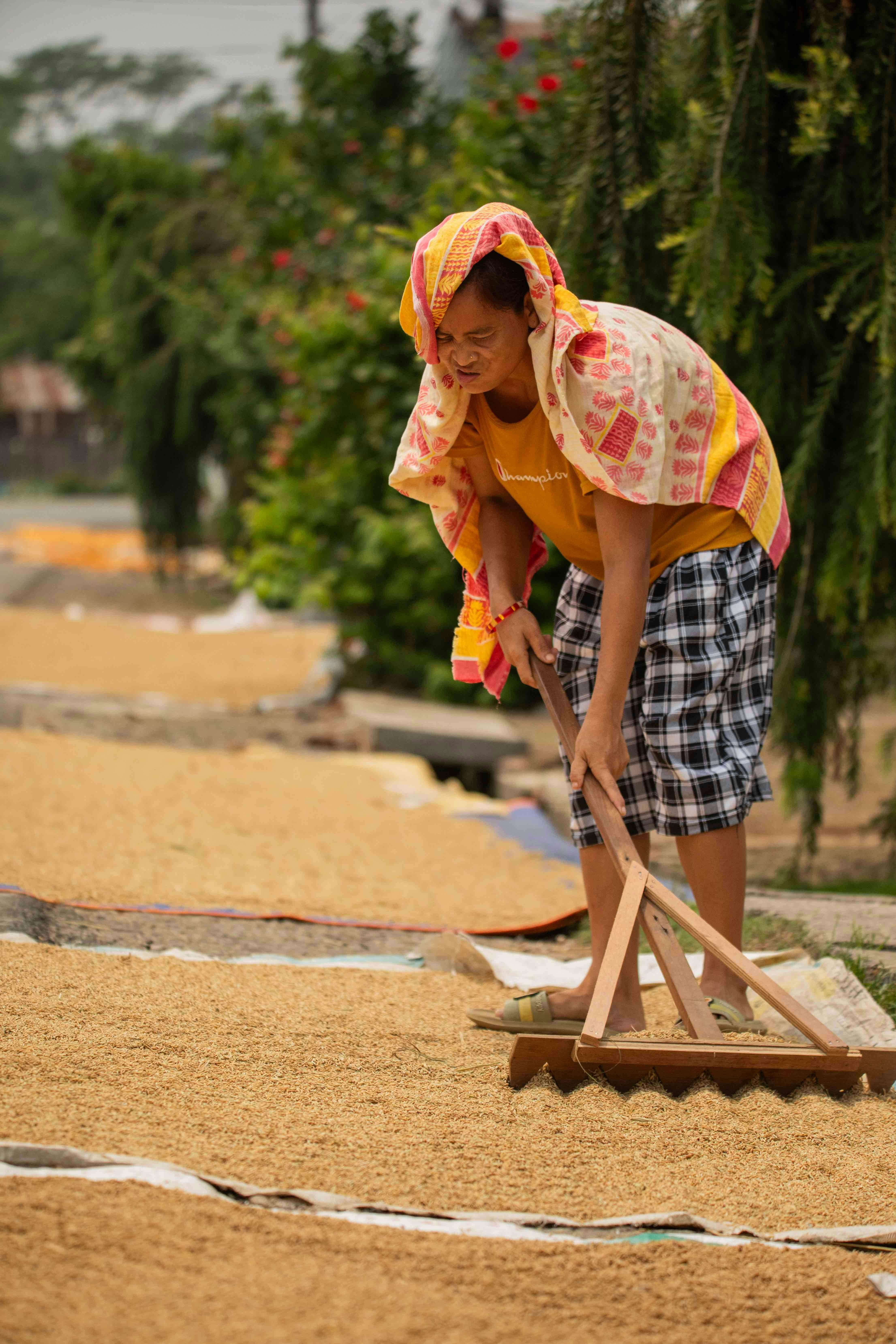
Understanding the Paddy Processing Lifecycle and Its Economic Impact
The journey of paddy processing unfolds in several meticulously coordinated steps that transform raw grains into a valuable agricultural product. Initially, the harvested paddy rice enters the drying phase, crucial for reducing moisture content and preventing spoilage. Once dried, the next significant step is milling, where the outer hull of the paddy is removed, revealing the precious white rice underneath. this milling process not only enhances the aesthetic quality of rice but also plays a pivotal role in determining its market value. The end of the milling phase culminates in the packaging of the rice, ready for distribution, showcasing the diligence and precision of the paddy processing lifecycle.
The economic impact of this lifecycle is profound, influencing various sectors and communities. Through the creation of jobs in farming, processing, and distribution, the paddy industry supports many livelihoods. The economic benefits can be further outlined as follows:
- Job Creation: From farmers to mill workers, many individuals rely on the paddy processing chain.
- Value Addition: milling enhances the economic worth of raw paddy, increasing local agriculture’s profitability.
- Export Potential: Processed rice opens doors for international trade, boosting market accessibility.
| Stage of Processing | Economic Benefit |
|---|---|
| Harvesting | initial income for farmers |
| Drying | Minimized post-harvest losses |
| Milling | Increased market value |
| Packaging and Distribution | Expansion into global markets |

Innovative Techniques in Milling: enhancing Quality and Efficiency
The transformation of paddy into rice requires more than just conventional techniques; it hinges on the adoption of innovative milling technologies that enhance quality and efficiency. By integrating precision milling technologies, processors are able to minimize grain breakage, ensuring that the end product meets the highest standards. Advanced roller mills and rice whiteners equipped with state-of-the-art sensors allow for real-time monitoring of grain quality, enabling operators to adjust parameters instantaneously. this adaptability not only preserves the nutritional integrity of the rice but also leads to higher yields, substantially maximizing production output.
Furthermore, innovations such as automated sorting systems powered by artificial intelligence have revolutionized the grading process.these systems utilize image recognition to detect imperfections and ensure that only the best quality grains make it through the production line. Additionally, the implementation of eco-kind milling practices promotes sustainability while maintaining operational efficiency. Incorporating energy-efficient machines and waste recovery systems actively contributes to reducing the environmental footprint of milling operations. Below is a simple comparison table showcasing the advantages of traditional versus innovative milling techniques:
| Traditional Milling | Innovative Milling |
|---|---|
| Higher grain breakage rates | Minimized grain breakage |
| Manual quality checks | Automated systems with AI |
| Inconsistent output quality | Enhanced consistency with real-time monitoring |
| higher energy consumption | Energy-efficient technologies |
Sustainable Practices in Rice Production: Balancing Yield and Environmental Health
In the quest to harmonize agricultural productivity with environmental stewardship, innovative practices are emerging in rice cultivation. Farmers are increasingly adopting integrated pest management (IPM) techniques,which reduce reliance on chemical pesticides while promoting biodiversity. This shift not only protects beneficial insects but also enhances soil health. Techniques such as crop rotation and agroforestry play a crucial role in maintaining nutrient levels in the soil and minimizing erosion. Additionally, initiatives like water-saving irrigation methods—such as Alternate Wetting and Drying (AWD)—significantly decrease water usage, all while ensuring robust yields. These methods emphasize the importance of working with nature rather than against it, creating a sustainable agricultural ecosystem.
Another essential aspect of balancing yield and environmental health in rice production lies in the implementation of precision agriculture. By utilizing technology like GPS and soil sensors, farmers can tailor their farming practices to the specific needs of their crops, minimizing input use and maximizing output efficiency. this smart approach can lead to more efficient fertilizer applications and water usage. Furthermore, sustainable rice farming encourages the involvement of local communities, ensuring that practices are not only eco-friendly but also socially equitable. As the rice industry evolves, these practices prove that it is possible to grow a staple food while safeguarding our planet’s health for future generations.
Market Trends and Consumer Preferences: Shaping the Future of Rice Processing
In the ever-evolving landscape of rice processing, understanding market trends and consumer preferences has become essential. As global consumption patterns shift, driven by the rise of health consciousness and sustainability awareness, rice processors are responding with innovative solutions. Key factors influencing consumer demands include:
- health and nutrition: A growing interest in whole grains and low-glycemic options is leading to increased demand for brown rice, organic varieties, and fortified products.
- Convenience: Ready-to-cook and pre-packaged rice options are becoming more popular as busy lifestyles drive the demand for swift meal solutions.
- Sustainability: Eco-friendly packaging and sustainably sourced rice are not just trends but evolving expectations for environmentally conscious consumers.
To illustrate how these preferences are reshaping production strategies, consider the impact on processing technologies. The integration of smart technology in processing plants allows producers to minimize waste, enhance efficiency, and better align product offerings with consumer expectations. Such as, the following table highlights popular rice products and their growing market appeal:
| Rice Product | Market Demand trend |
|---|---|
| Brown Rice | Increased popularity due to health benefits. |
| Organic Rice | Surge in demand for clean-label products. |
| Instant Rice | Growing preference for convenience and quick preparation. |
| Specialty Rice Varieties | Niche markets are thriving for unique flavors and textures. |
Final Thoughts
As we conclude our exploration of “Transforming Grain to Gold: The Journey of Paddy Processing,” we find ourselves reflecting on the intricate dance between nature and technology, tradition and innovation. From the moment the hardy paddy plant pushes through the earth, it embarks on a metamorphosis, undergoing a series of meticulous processes that not only enhance its value but also sustain livelihoods and cultures around the globe.
This journey from field to fork is a testament to human ingenuity and the resilience of agricultural practices that have evolved over centuries. Each splash of water during soaking, every turn of the milling machine, and the artful hand of the farmer plays a vital role in this transformation, reminding us that the seemingly simple grain carries with it stories of effort, perseverance, and hope.
As we celebrate this golden harvest, we invite you to appreciate the many layers of paddy processing that contribute to our daily sustenance. In understanding this journey, we gain profound respect for the staple that nourishes billions, bridging communities and connecting us all through shared meals and cherished traditions. So, the next time you enjoy a bowl of rice, take a moment to acknowledge the remarkable journey it has taken—a true transformation from grain to gold.