
In the heart of agrarian communities, where golden fields sway gently under the sun, grain is more than just a staple; it is a lifeline. Among the myriad forms of grain cultivated around the world, rice holds a special place, serving as a primary source of sustenance for billions. Yet, the journey from paddy field to plate is a complex one, marked by the essential intermediary of paddy processing units. These innovative facilities play a pivotal role in transforming raw grains into polished products, ensuring quality, enhancing nutritional value, and catering to the diverse tastes of consumers. As we delve into the intricacies of paddy processing, we discover not just the mechanics of milling, but also the broader impact of these units on livelihoods, economies, and sustainable agricultural practices. Join us as we explore the transformative power of paddy processing units and their vital contributions to a world increasingly reliant on efficient, healthy food systems.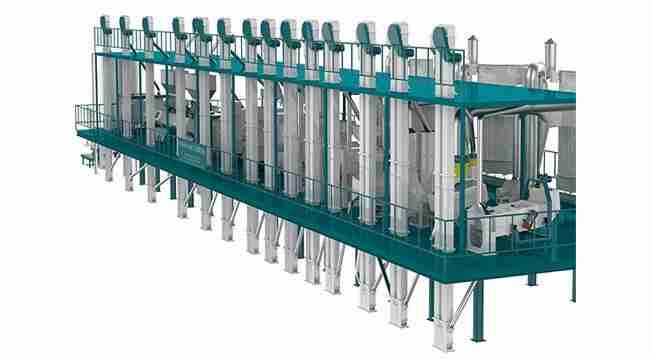
Exploring the Impact of Paddy Processing Units on Agricultural Efficiency
In the realm of agriculture, the establishment of paddy processing units has significantly influenced the way farmers engage with their crops. By providing a streamlined approach to convert raw paddy into market-ready rice, these processing facilities address key inefficiencies that often plague farmers. The integration of modern technology in processing not only enhances the quality and yield of the final product but also minimizes post-harvest losses. Improved milling techniques, for instance, ensure a higher percentage of whole grains, which can bolster the income of farmers who are adept at aligning their production with market demands.
The benefits extend beyond just higher yields and enhanced grain quality; they also empower farmers through education and resources. Many paddy processing units operate training programs that equip local farmers with essential skills in crop management and best-practice harvesting techniques. These initiatives can lead to a notable increase in overall productivity. Additionally, by facilitating direct links between farmers and consumers, paddy processing units reduce the dependency on middlemen, allowing farmers to receive a fairer price for their harvest. The table below summarizes the key outcomes observed:
| Outcome | Impact |
|---|---|
| Reduction in Post-Harvest Loss | Up to 20% |
| Increase in Farmer Income | Average of 15% |
| Quality Improvement | 85% whole grain rate |
| Training Programs Conducted | Over 50 annually |

Sustainable Practices in Paddy Processing: Enhancing Quality and Reducing Waste
In the realm of agricultural innovation, paddy processing units are increasingly embracing eco-friendly techniques that enhance the quality of rice products while minimizing environmental impacts. By integrating practices such as water management and energy-efficient milling technologies, these units are not only improving their operational efficiency but also contributing to a sustainable ecosystem. Key practices include:
- Recycling water: Utilizing treated wastewater from the milling process for irrigation, which reduces freshwater consumption.
- Using renewable energy: Implementing solar panels to power machinery, significantly lowering carbon footprints.
- Waste-to-resource initiatives: Transforming rice husks into biofuel or organic fertilizer, thus reducing waste and enhancing soil health.
The commitment to sustainability within paddy processing not only bolsters product quality but also cultivates a more responsible supply chain. As processors engage in continuous improvement, they identify and adopt innovative techniques that further reduce waste and improve efficiency. This holistic approach is exemplified in the integration of smart technology, which allows for:
| Smart Technology | Benefits |
|---|---|
| IoT Sensors | Monitors humidity and temperature, ensuring optimal drying conditions. |
| AI Algorithms | Optimizes milling processes, reducing energy consumption. |
By harnessing these advancements, paddy processing units play a crucial role in addressing global challenges such as food security and climate change, positioning themselves as leaders in sustainable agriculture.

Technological Innovations Driving the Future of Grain Transformation
As the global demand for rice continues to rise, the enhancement of paddy processing units through innovative technologies is reshaping how grain is transformed. Modern processing facilities leverage cutting-edge methods to improve efficiency and output quality, creating a more sustainable approach to grain handling. Notable advancements include the integration of automation, which minimizes human intervention and streamlines the workflow, leading to faster processing times and reduced wastage. Furthermore, the application of artificial intelligence in quality control monitors grain at every stage, ensuring that only the best products reach consumers.
Additionally, eco-friendly practices are gaining traction within paddy processing, driven by technological innovations. Units are now utilizing solar energy to power operations, which decreases reliance on fossil fuels and lowers operational costs. The design of energy-efficient machinery further reduces energy consumption. To visualize the impact of these technologies, consider the comparison below:
| Technology | Impact |
|---|---|
| Automation | Increases processing speed and reduces labor costs |
| AI Quality Control | Ensures high-quality grain through real-time monitoring |
| Solar Energy | Reduces carbon footprint and operational expense |
| Energy-efficient Machinery | Minimizes energy use while maintaining productivity |
Such innovations not only enhance productivity but also contribute to environmental conservation efforts, making paddy processing units key players in the future sustainability of the grain industry. By adopting these technologies, processors can ensure high-quality output while meeting the evolving demands of consumers and regulatory bodies alike.
Empowering Communities through Local Paddy Processing Initiatives
Local paddy processing initiatives serve as crucial pillars in the quest for sustainable development within rural communities. By establishing processing units, these programs create new avenues for farmers to add value to their harvests, transforming raw paddy into market-ready rice while ensuring that a larger share of the profit remains within the community. This empowerment of local economies not only uplifts individual livelihoods but fosters a sense of collective progress through collaboration and shared goals.
Moreover, these initiatives often encourage skill development and knowledge transfer among community members. Farmers and processors benefit from training in modern techniques and best practices, which significantly enhances productivity and quality. The impact broadens further through the introduction of diverse financial strategies, which help to stabilize household incomes. Key benefits include:
- Job Creation: Increased employment opportunities in processing units.
- Community Cohesion: Strengthening ties among local stakeholders.
- Enhanced Food Security: More reliable access to processed food products.
- Environmental Benefits: Promotion of sustainable practices in paddy cultivation.
| Aspect | Impact |
|---|---|
| Economic Growth | Higher profit margins for farmers |
| Skill Development | Training in modern processing techniques |
| Social Change | Empowerment of women in rural areas |
The Conclusion
the evolution of paddy processing units represents a pivotal shift in the landscape of grain transformation. As we have explored, these units not only enhance the efficiency of rice production but also open doors to sustainable practices that benefit farmers and consumers alike. By embracing innovative technologies and streamlined operations, paddy processing units are poised to play a crucial role in meeting the growing demands for high-quality rice while reducing waste and environmental impact.
As the world continues to grapple with food security and agricultural sustainability, it is imperative to recognize the significance of these processing units. They stand at the intersection of tradition and modernity, preserving the essence of rice cultivation while paving the way for a more resilient food system. The journey of grain from field to table is a collaborative effort, and as we move forward, the ongoing development and support of paddy processing units will be instrumental in shaping a brighter, more sustainable future for rice production. The grains we transform today will undoubtedly nourish generations to come, making this transformation an essential chapter in the story of agriculture.




