
In the heart of lush, verdant landscapes where rice paddies sway gently in the breeze, an intricate transformation begins—one that turns humble grains into nourishing staples for countless people around the globe. The journey of a paddy processing unit encapsulates not just an industrial process but a vital link in the food supply chain, weaving together tradition, technology, and sustainability. As sunlight filters through the husks of harvested rice, each grain embarks on a path marked by meticulous care and innovative practices. From the moment the paddy is collected to its final stages of milling and packaging, this article explores the fascinating processes, challenges, and triumphs that define a paddy processing unit’s role in powering economies and feeding communities. Join us as we delve into the world of grain transformation, unveiling the stories woven into each kernel of rice.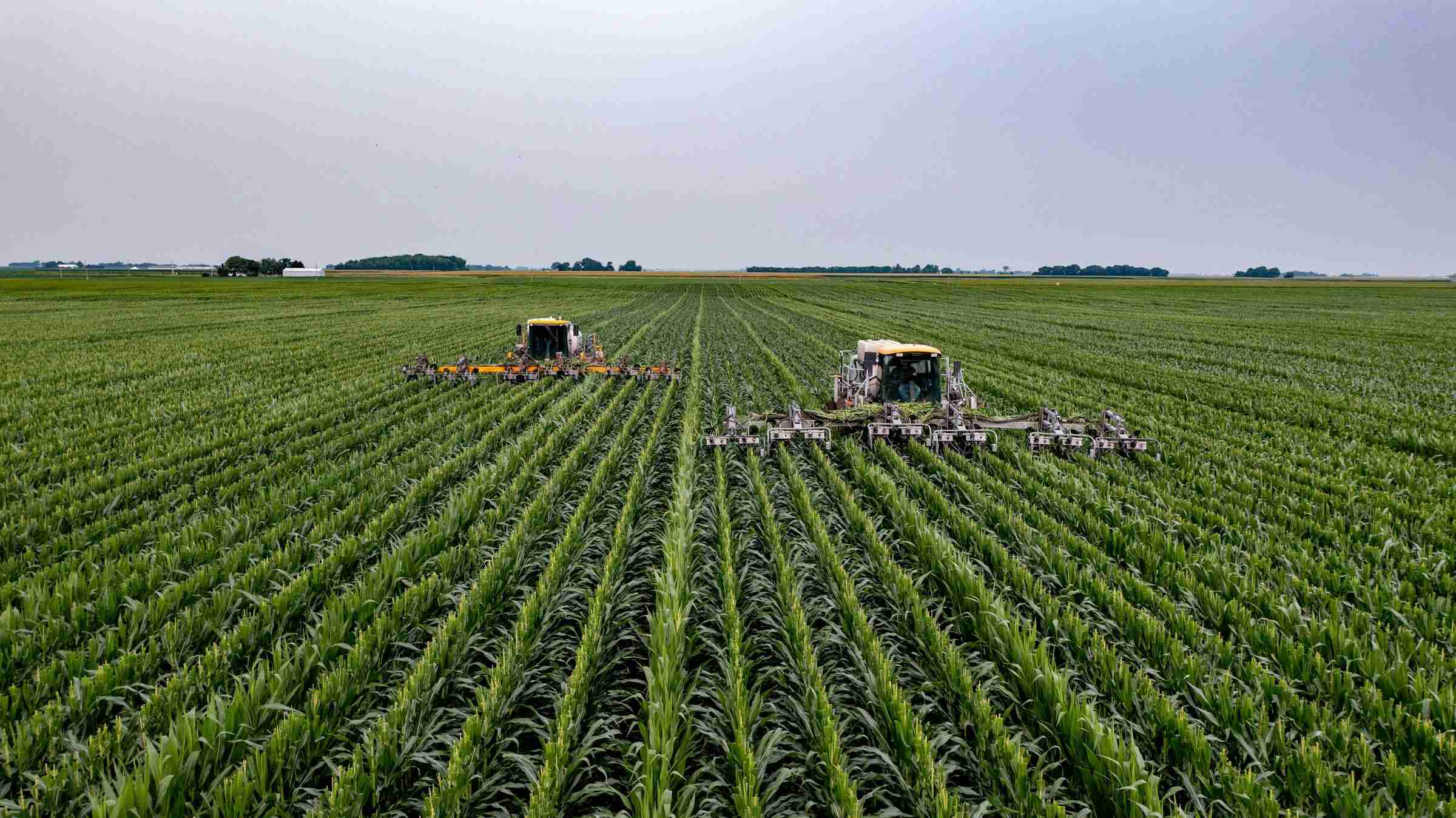
Exploring Agricultural Innovations in Paddy Processing
The evolution of paddy processing has ushered in a new era of efficiency and sustainability, transforming the traditional methods into sophisticated operations that substantially increase productivity while ensuring quality. Innovations in machinery have played a critical role, providing solutions that minimize waste and maximize output. Some examples include:
- Automatic Paddy Sorting Machines: These machines utilize advanced sensors to ensure only the highest quality grains make it to the next stage of processing.
- Steam Parboilers: A technology that not only enhances the nutritional profile of the rice but also significantly cuts down cooking times for consumers.
- Integrated Milling Solutions: Systems that combine multiple processing steps – milling, polishing, and grading – into one seamless process.
Moreover, the incorporation of data analytics and IoT in paddy processing units has enabled farmers and producers to monitor their operations in real time. This has facilitated better decision-making regarding production practices, optimized resource allocation, and improved traceability of the grains. Consider the advantages of embracing technology:
| Innovation Type | Benefit |
|---|---|
| Automated Sensors | Improved efficiency and reduced human error. |
| Predictive Analytics | Anticipation of demand and reduction in overproduction. |
| IoT Technologies | Real-time monitoring and management of paddy quality. |

From Field to Flour: The Essential Steps of Transformation
Transforming paddy into flour involves a series of carefully choreographed steps that highlight the synergy between nature and technology. The journey begins at the paddy fields, where grains are harvested and inspected for quality. Farmers work tirelessly, timing their harvests to ensure optimal ripeness. Once collected, the paddy undergoes thorough cleaning to remove impurities such as dirt, straw, and stones, ensuring that only the best grains proceed to the next stage. This is followed by the drying process, where the harvested grains are spread out under the sun or in mechanical dryers to reduce moisture content, thus preventing spoilage during storage.
Next, the cleaned and dried paddy enters the milling process, which is the heart of the transformation. Here, hulled grains are passed through intricate machinery that separates the husk from the edible part of the grain, yielding brown rice. Various techniques like whitening and polishing are implemented, enhancing the rice’s appearance and shelf life. To illustrate this process, consider the following table that outlines the key stages along with their objectives:
| Stage | Objective |
|---|---|
| Harvesting | Gathering mature paddy |
| Cleaning | Removing dirt and impurities |
| Drying | Lowering moisture content |
| Milling | Separating husk and producing flour |
Following milling, the fine flour produced is then packaged and prepared for distribution, ensuring that the quality is preserved for consumers. Throughout the entire process, quality control measures are rigorously applied, maintaining standards that emphasize both nutrition and safety. Each step of this journey reflects not only a commitment to producing high-quality flour but also a deep respect for the agricultural roots from which it originates.

Sustainable Practices for Enhanced Efficiency and Quality
In the quest for improved efficiency and quality, paddy processing units are increasingly adopting practices that emphasize sustainability. By integrating principles of resource conservation and waste reduction, facilities can not only enhance their productivity but also minimize their environmental footprint. For instance, utilizing energy-efficient machinery and equipment contributes significantly to lower energy consumption and operational costs. Additionally, the incorporation of renewable energy sources, such as solar panels, allows plants to harness natural resources while powering their operations sustainably. Other practices that are gaining traction include:
- Water Recycling: Systems designed to treat and reuse water in the milling process help mitigate water scarcity issues.
- Eco-friendly Packaging: Shifting to biodegradable materials supports a circular economy and reduces plastic waste.
- Agro-waste Utilization: Transforming byproducts into valuable resources, such as biomass fuel, adds economic value and promotes sustainability.
Furthermore, investing in employee training and development fosters a culture of sustainability within the processing unit. By equipping workers with the knowledge and skills to implement best practices, companies can ensure continuous improvement in operations. This approach not only leads to greater efficiency but also enhances product quality by encouraging meticulous handling of raw materials. Below is a simple illustration of key performance indicators that reflect how these sustainable methods translate into tangible benefits:
| Performance Indicator | Before Implementation | After Implementation |
|---|---|---|
| Energy Consumption (kWh) | 1000 | 700 |
| Water Usage (liters) | 5000 | 3000 |
| Waste Produced (kg) | 200 | 50 |
| Product Quality Score (out of 100) | 75 | 90 |
Future Trends in Paddy Processing: Embracing Technology and Change
As the demand for rice continues to grow globally, the paddy processing industry is poised for a transformative shift driven by advancements in technology. Modern processing units are increasingly integrating automation, artificial intelligence, and IoT (Internet of Things) to enhance efficiency and precision in operations. By deploying automated machinery, rice mills can significantly reduce labor costs and minimize human error, leading to higher yields and improved quality. Furthermore, the use of smart sensors provides real-time data analytics, allowing operators to monitor the entire process—from harvesting to milling—with unprecedented accuracy.
In addition to improved processing capabilities, sustainable practices are on the rise, as more units adopt eco-friendly techniques and energy-efficient machinery. The integration of renewable energy sources, such as solar panels, not only reduces the carbon footprint but also lowers operational costs. Investment in biotechnology is also emerging, with research focusing on developing paddy varieties that yield better quality grains while using lesser resources. To illustrate these trends, consider the following table showcasing potential advancements in paddy processing technology:
| Technology | Benefits |
|---|---|
| Automated Machinery | Increased efficiency and reduced labor costs |
| Smart Sensors | Real-time monitoring and data analytics |
| Renewable Energy | Reduced operational costs and sustainability |
| Biotechnology | Higher quality paddy with lower resource use |
As these emerging trends shape the future landscape of paddy processing, industry stalwarts are encouraged to embrace change and invest in technologies that not only enhance productivity but also foster environmental sustainability. By cultivating a culture of innovation, processing units can position themselves competitively in a market that is becoming increasingly discerning of quality and ecological impact.
Future Outlook
As our exploration of the paddy processing unit draws to a close, we are left with a profound appreciation for the intricate journey that each grain undertakes from field to table. What might seem like a mere transformation of physical materials is, in reality, a symphony of innovation, labor, and dedication. Each step—harvesting, drying, milling, and packaging—is an essential note in this harmonious process, one that showcases the delicate balance between tradition and technology in the world of agriculture.
The paddy processing unit stands as a testament to human ingenuity and resilience, revealing not only the complexities involved but also the vital role it plays in global food security. As consumers, we often overlook the stories behind our staple foods, yet through this journey, we gain a deeper understanding of the cultivation, care, and craftsmanship involved.
In a time when sustainability and efficiency are at the forefront of agricultural advancements, the paddy processing unit exemplifies a pathway forward—one that honors the past while embracing future possibilities. As we reflect on this narrative of transformation, may we continue to support and appreciate the hardworking individuals and technologies that ensure every grain reaches our plates, nourished by their rich journey and the promise of what’s to come.




