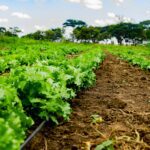
In teh heart of agricultural landscapes, where golden fields sway with the gentle breeze, grains silently await their conversion into life-sustaining staples.The journey from paddy to polished rice is a captivating odyssey that unfolds within the bustling confines of a paddy processing factory. Here, the rhythm of machinery harmonizes with the age-old practices of grain handling, creating a symphony of efficiency and precision. As we embark on this exploration, we will navigate the intricate processes that elevate raw harvests into the white grains adorning our plates.From the initial husking to the meticulous polishing, each step in this production line not only highlights technological advancements but also pays homage to the labor and expertise that have defined rice cultivation for centuries.Join us as we peel back the layers of this transformative process, revealing the artistry and science behind one of the world’s most vital food sources.
The heart of the Harvest: Understanding the Paddy Processing Journey
In the vibrant world of paddy processing, every grain has a tale to tell. The journey begins in vast, golden fields where rice plants sway under the sun. Once harvested,the paddy enters the processing factory,a bustling hub of activity aimed at transforming the raw crop into polished rice ready for consumption. At the heart of this operation are several key stages, including:
- Cleaning: The first crucial step that removes impurities such as dirt, stones, and other foreign materials.
- Dehusking: This process strips the tough outer husks to expose the precious milled rice.
- Polishing: The rice is then polished to give it a shiny appearance, enhancing its visual appeal.
- Grading: the rice is sorted into different grades to ensure quality consistency for consumers.
Each stage in this journey not only reflects technology and precision but also the dedication of those involved in the process. A critical aspect of maintaining quality lies in the deep cleaning systems used, which often incorporate advanced machinery to ensure maximum efficiency. The factory may utilize a variety of technologies—ranging from destoners that eliminate impurities, to modern milling equipment designed for optimal grain preservation. This ensures that the final product not only meets but exceeds consumer expectations, laying the foundation for international rice markets. Below is a simple overview of the typical stages and their importance:
| Stage | Description |
|---|---|
| Cleaning | Removes impurities from paddy |
| Dehusking | Strips husk to reveal brown rice |
| Polishing | Enhances appearance and quality |
| Grading | Sorts rice based on quality |

Innovative Technologies Shaping Grain Transformation
In the heart of a paddy processing factory, cutting-edge technologies have revolutionized the way grain is transformed into consumable products. The integration of automated sorting systems ensures that only the highest quality grains proceed through the processing line, substantially reducing manual labor and enhancing operational efficiency. These systems utilize advanced sensors and artificial intelligence algorithms to detect impurities, allowing for real-time adjustments and optimized processing speeds. Additionally,machine learning technologies are enabling predictive maintenance,identifying potential breakdowns before they happen,thus minimizing downtime and increasing productivity.
Another groundbreaking innovation is the use of sustainable energy sources within processing facilities. Many factories are adopting solar panels and biomass energy to power their operations, significantly reducing their carbon footprint. This shift not only cuts operational costs but also aligns with global sustainability goals. Moreover, smart milling technology has been introduced, which utilizes IoT (Internet of Things) devices to monitor and control milling parameters precisely.This ensures consistent quality in grain output while minimizing waste. The combination of these revolutionary technologies is paving the way for a more efficient, sustainable, and quality-focused future in grain transformation.
| Technology | Benefits |
|---|---|
| automated Sorting Systems | Enhanced quality control and efficiency |
| Machine Learning | Predictive maintenance,reduced downtime |
| Sustainable Energy | Lower carbon footprint,cost savings |
| Smart Milling Technology | Consistent quality,minimized waste |
Quality Control: Ensuring Excellence at Every Step
In a paddy processing factory,quality control is embedded in every aspect of the operation. From the moment the rice arrives at the facility, it undergoes thorough inspection to ensure that only the finest grains enter the processing line. This initial step is crucial, as it sets the standard for the entire production journey. Each batch is evaluated based on a range of criteria,including size,moisture content,and purity. The facility uses a combination of advanced machinery and skilled personnel to meticulously assess the rice grains, implementing rigorous sampling techniques to maintain consistent quality across the board.
As the production process unfolds, quality checks are strategically implemented at various stages. For instance, during the milling phase, the grains are continuously monitored for texture and color consistency. This ensures that the final product not only meets customer expectations but also adheres to specific industry standards. Here’s how quality is maintained throughout the process:
| Quality Check Stage | Focus Area | Methods Used |
|---|---|---|
| Raw Material inspection | Grain Quality | Visual and Lab Testing |
| Milling Process | Texture & Color | Automated Sensors & Manual Review |
| Packaging | Seal Integrity | Pressure Tests & Visual Inspection |
With each layer of quality control meticulously crafted, the factory remains committed to delivering rice that not only meets market standards but also delights consumers.this unwavering focus on excellence positions the factory as a leader in the industry, where every grain tells the story of dedication and precision in manufacturing.
Sustainable Practices for a Greener Processing Future
In the shifting landscape of agricultural processing, the integration of eco-friendly methods is becoming increasingly vital. Paddy processing factories are reimagining their approaches by adopting renewable energy sources and waste management systems that prioritize the surroundings. by utilizing solar panels and biomass energy, these facilities not only reduce their carbon footprints but also promote energy autonomy. Automation and energy-efficient machinery are also critical in minimizing energy consumption, ensuring that every step of the processing journey is both efficient and sustainable.
Moreover, waste products from the paddy processing stages are being transformed into valuable resources. By implementing circular economy principles, by-products such as husks and bran are now being repurposed for diverse applications. For instance, husks can serve as effective organic fertilizers or can be converted into biomass for energy generation. Additionally, factories are increasingly incorporating water recycling systems, allowing for the reuse of water in the processing cycle. This commitment to sustainability leads not only to operational efficiency but also to a healthier ecosystem.
The conclusion
As we conclude our exploration of the intricate journey within a paddy processing factory, we are reminded of the seamless fusion of tradition and innovation that defines this essential industry. Each grain, once nestled within the stalk, undergoes a remarkable transformation, evolving into the versatile staple that nourishes populations around the globe.From the rhythmic sounds of machinery to the meticulous hands that craft quality assurance, the processing factory stands as a testament to human ingenuity and dedication. It is indeed a place where science meets agriculture, and where every stage of production is a vital thread in the tapestry of our food system.
As we leave the factory behind, we take with us a deeper appreciation for the journey of rice—from field to fork—and the intricate processes that ensure its quality and availability. In a world that often overlooks the origins of what we consume,understanding the journey of grain allows us to honor not just the food on our plates,but also the skilled individuals who work tirelessly behind the scenes.
Thus, the next time you savor a bowl of perfectly cooked rice, remember that it embodies the energy and commitment of an entire industry, transforming not just the grain itself, but also the lives it touches.