
Rustling fields of golden rice sway in the breeze as farmers work tirelessly to harvest one of the world’s most vital food sources. Behind the scenes, however, lies a complex and fascinating process that transforms raw paddy into the rice we know and love. In this article, we take a closer look at the innovation behind paddy processing, exploring the intricate technologies and techniques that have revolutionized the way we bring this staple crop from field to table. Join us as we delve into the world of rice production and discover the cutting-edge advancements that continue to shape the industry today.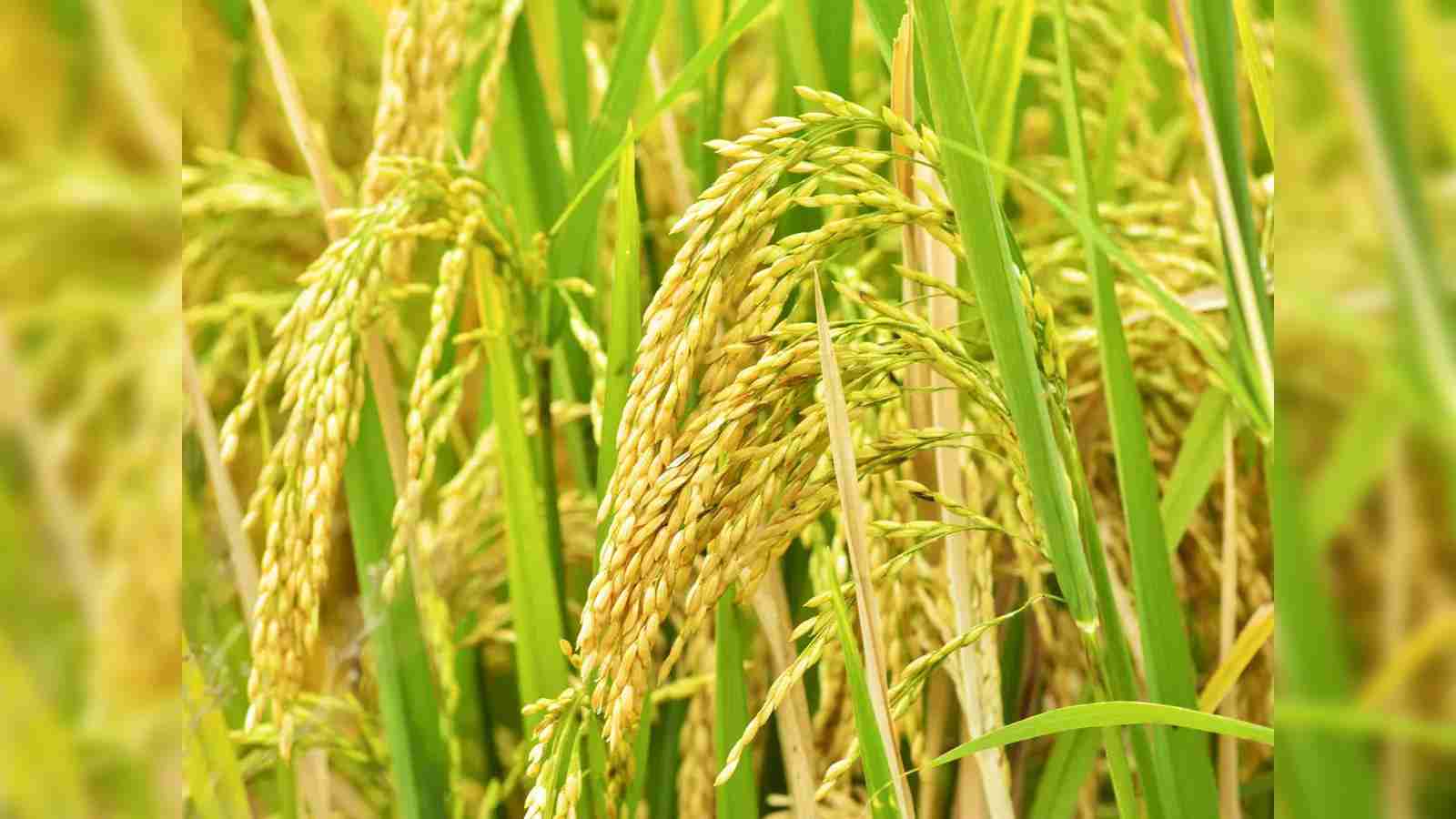
The Traditional Methods of Paddy Processing
have been passed down through generations, showcasing the ingenuity and resourcefulness of our ancestors. One of the key techniques involves manually threshing the paddy to separate the grains from the stalks. This process requires skill and precision, as too much force can damage the grains.
After threshing, the grains are winnowed to remove any remaining chaff. This is typically done by tossing the grains into the air so that the wind can carry away the lighter chaff. The final step in traditional paddy processing is milling the grains to remove the husk and polish the rice. This labor-intensive process highlights the value placed on producing high-quality rice products through meticulous attention to detail.

Modern Technological Advancements in Paddy Processing
have revolutionized the way rice is produced and processed, leading to increased efficiency and higher quality rice products. One key innovation in paddy processing is the use of automated rice milling machines, which can process large quantities of paddy in a shorter amount of time compared to traditional methods. These machines are equipped with sensors and sorting mechanisms that help to eliminate impurities and ensure uniformity in the final rice product.
- Automated rice milling machines
- Sensors and sorting mechanisms
- Impurity elimination and uniformity
Another significant technological advancement in paddy processing is the development of precision moisture meters, which help farmers determine the optimal moisture content of paddy for milling. This ensures that the rice grains are not too wet or too dry, which can affect the quality of the final product. Additionally, the use of computerized systems for monitoring and controlling the entire paddy processing operation has further enhanced efficiency and reduced wastage.
- Precision moisture meters
- Optimal moisture content determination
- Computerized monitoring and control systems

Efficiency and Sustainability in Paddy Processing
Embracing innovation in paddy processing is essential for enhancing efficiency and sustainability in the agricultural industry. One of the key advancements in this field is the development of state-of-the-art milling machines that have revolutionized the way rice is processed.
These cutting-edge machines are equipped with advanced technologies such as precision sensors and automated systems, which ensure uniformity in the milling process and minimize wastage of raw materials. Additionally, the use of eco-friendly practices in paddy processing, such as water recycling and energy-efficient equipment, further contributes to the sustainability of the entire process.
Tips for Improving Paddy Processing Techniques
Paddy processing is an essential step in rice production, and improving techniques can lead to higher yields and better quality crops. One key tip for enhancing paddy processing is to invest in modern machinery that can efficiently remove impurities from the rice grains. By using advanced equipment such as destoners and hullers, farmers can ensure that their rice is clean and free of debris, resulting in a higher quality end product.
Another useful tip for improving paddy processing techniques is to properly dry the rice before milling. Drying the paddy to the correct moisture level is crucial for achieving optimal milling results. Farmers can utilize methods such as sun drying or mechanical drying to ensure that the rice is at the right moisture content before milling. This step can help prevent breakage and damage to the grains during the milling process, resulting in a higher yield of whole, intact rice grains.
Concluding Remarks
As we delve deeper into the world of paddy processing, one thing becomes abundantly clear – innovation is at the heart of it all. From the ancient techniques passed down through generations to the cutting-edge technology revolutionizing the industry today, the evolution of paddy processing is a testament to human ingenuity and perseverance. As we continue to uncover the mysteries and marvels of this essential process, let us remember to embrace change and challenge convention in our quest for progress. The journey may be long and arduous, but the rewards are certainly worth it. So, the next time you enjoy a plate of perfectly cooked rice, take a moment to reflect on the innovation behind it all, and appreciate the countless advancements that have brought this humble grain from the field to your table. Innovation truly is the secret ingredient in the timeless art of paddy processing.




