
In the heart of rural landscapes, where the rhythmic symphony of swaying stalks and gentle breezes creates a soothing melody, lies the beating heart of rice production – the paddy processing unit. A hidden gem tucked away in the fields, this facility is where the magic of transforming humble grains into the staple food of billions takes place. Join us on a journey inside the buzzing hub of activity, as we unravel the intricate processes that bring rice from farm to table. Welcome to “The Heart of Rice: Inside a Paddy Processing Unit.”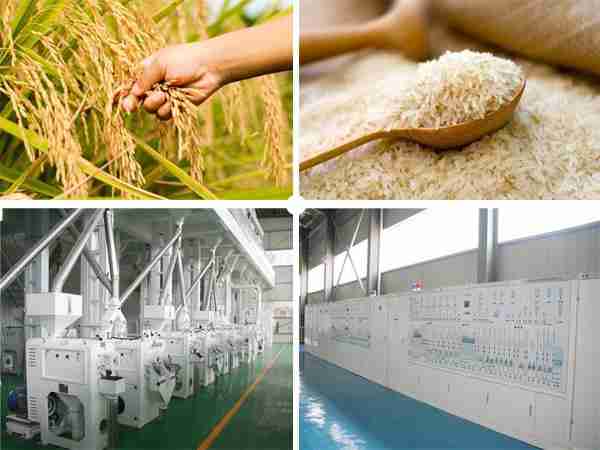
Exploring the Intricacies of Rice Milling Techniques
When it comes to the intricate process of rice milling, a paddy processing unit is truly the heart of it all. This is where the magic happens, where the raw paddy grains are transformed into the polished white rice that we all know and love. Inside these units, advanced machinery and skilled technicians work in harmony to ensure that each grain is processed with precision and care.
One of the key components of a paddy processing unit is the huller, which is responsible for removing the tough outer husk of the paddy grains. This is a crucial step in the milling process, as it allows for easier access to the inner rice kernel. Once the husk is removed, the grains go through a series of polishing machines, which help to give the rice its signature white color and shiny appearance. The end result is a product that is not only visually appealing but also packed with nutrients and flavor.

Optimizing Efficiency in Paddy Processing Units
When it comes to , there are several key factors that play a crucial role in ensuring smooth operations and high-quality output. One of the main components that contribute to the heart of rice processing is the milling machine. These powerful machines are designed to remove the outer husk of the rice grain, leaving behind the white rice that we are all familiar with. By investing in state-of-the-art milling machines, paddy processing units can significantly increase their overall efficiency and productivity.
Another essential aspect of is the implementation of automated sorting and grading systems. These systems use advanced technology to quickly and accurately separate rice grains based on their size, shape, and quality. By streamlining the sorting and grading process, paddy processing units can reduce waste, improve the overall quality of their rice products, and increase their overall output. In addition, by utilizing automation in this crucial stage of the rice processing journey, paddy processing units can also reduce the reliance on manual labor, leading to a more efficient and cost-effective operation.

Innovative Technologies Revolutionizing Rice Production
Imagine walking into a state-of-the-art paddy processing unit where innovative technologies are revolutionizing rice production. The hum of machinery fills the air as you witness the heart of rice being transformed from raw grain to the polished product we all know and love.
One of the standout features of this cutting-edge facility is the use of automated sorting systems that efficiently separate impurities from the rice grains, ensuring only the highest quality product makes it to your table. Additionally, computerized milling machines meticulously remove the outer layers of the rice kernel to produce the perfect white rice we enjoy in our meals.
| Type of Technology | Benefits |
|---|---|
| Rice Huller Machine | Removes the outer shell of the rice grain efficiently |
| Color Sorter Machine | Precisely separates discolored or imperfect grains |
Sustainable Practices for Ensuring Quality Rice Output
Sustainable practices are at the core of ensuring high-quality rice output in paddy processing units. By implementing eco-friendly methods and utilizing resources efficiently, these units can minimize their environmental impact while maintaining the quality of their rice products. One key aspect of sustainable practices in paddy processing is the use of organic fertilizers and pesticides, which help reduce the reliance on harmful chemicals that can harm both the environment and consumer health.
Another important factor in sustainable rice production is water management. By utilizing advanced irrigation systems and implementing water recycling techniques, paddy processing units can minimize water wastage and reduce their overall environmental footprint. Additionally, investing in renewable energy sources such as solar power can help decrease the carbon footprint of these units, leading to a more sustainable and environmentally-friendly rice production process.
To Conclude
As we come to the end of our exploration into the intricate world of rice processing, we hope you have gained a deeper appreciation for the heart of the rice industry – the paddy processing unit. From the rhythmic thud of the threshers to the gentle swaying of the winnowers, each step in the process plays a crucial role in bringing this staple grain from the fields to our tables.
The next time you enjoy a bowl of fluffy rice, take a moment to reflect on the incredible journey it has undertaken. And remember, behind every grain is a dedicated team of individuals working tirelessly to ensure that we have access to this essential food source.
Thank you for joining us on this enlightening journey into the heart of rice. Stay curious, stay thankful, and keep discovering the wonders that lie within the world of agriculture. Until next time!




