
Rice, a staple food for over half of the world’s population, is not just a simple grain – it is a culinary masterpiece that requires intricate processing techniques to unveil its full potential. In this article, we delve into the fascinating world of paddy processing, exploring the age-old secrets and modern innovations that transform humble rice grains into the artful delicacy that graces our tables. Join us on a journey through the mesmerizing process of rice cultivation, harvesting, and milling, as we uncover the hidden complexities behind this ancient art. Welcome to the enchanting realm of “The Art of Rice: Unveiling the Secrets of Paddy Processing”.
The Wealth of Tradition in Paddy Cultivation
Rice, a staple food for over half of the world’s population, has a rich history of cultivation that dates back thousands of years. Paddy cultivation, the process of growing rice in flooded fields, is a tradition that has been passed down through generations in many cultures. This ancient art combines both manual labor and intricate knowledge of the natural environment to produce one of the most important food crops in the world.
One of the secrets of paddy processing lies in the careful management of water levels in the fields. By controlling the amount of water that surrounds the rice plants, farmers can promote healthy growth and prevent weed infestations. Additionally, the timing of planting, harvesting, and threshing plays a crucial role in the quality of the final product. The careful balance of tradition and innovation in paddy cultivation has allowed communities to sustainably produce rice for centuries, ensuring food security for millions of people around the globe.
Unlocking the Mysteries of Rice Milling Techniques
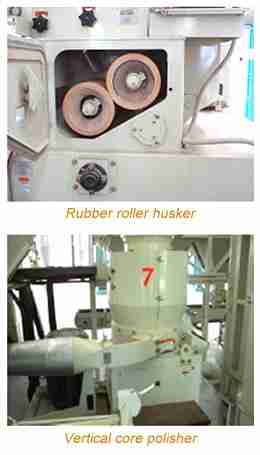
Rice milling techniques have been shrouded in mystery for centuries, with each step in the process holding its own secrets and complexities. From the moment the precious paddy is harvested to the final polished grain, a series of intricate methods are employed to ensure the highest quality rice reaches our plates. Understanding the art behind these techniques is crucial in unlocking the full potential of this staple food.
One of the key elements in rice processing is the removal of the husk, bran, and germ layers. This delicate process involves a combination of milling, polishing, and sorting to achieve the desired texture, flavor, and appearance. By delving deep into the science behind these techniques, we can appreciate the craftsmanship involved in every grain of rice we consume. Let’s embark on a journey to unravel the mysteries of rice milling and discover the hidden treasures within each kernel.

Preserving the Nutritional Value of Rice Grains
Rice grains are not only a staple food for billions of people around the world, but they also serve as a crucial source of nutrients. However, the process of paddy processing can often strip away much of the nutritional value inherent in these grains. To preserve the essential nutrients in rice, it is vital to understand the art of rice processing and adopt methods that promote the retention of key vitamins and minerals.
One of the key secrets to lies in the milling process. By opting for **gentle milling techniques**, such as **whitening**, **polishing**, and **dehusking** instead of more aggressive methods, it is possible to maintain the integrity of the rice kernel and retain valuable nutrients like **fiber**, **vitamins**, and **minerals**. Additionally, storing rice in a cool, dry place can help prevent the loss of essential nutrients over time. By making small adjustments to the way we process and store rice, we can ensure that this vital food source remains as nourishing as possible.
Innovative Approaches to Sustainable Paddy Processing
Embark on a journey to discover the that have revolutionized the art of rice production. From traditional methods to cutting-edge technologies, the secrets of transforming raw paddies into the polished grains we know and love are unveiled.
Explore the use of eco-friendly techniques such as biomass recycling and water-saving practices that are not only beneficial for the environment but also ensure the quality and nutritional value of the final product. With a focus on sustainability, these approaches are shaping the future of paddy processing, creating a more efficient and environmentally conscious industry.
To Conclude
As we close the curtain on our exploration of the art of rice and the secrets of paddy processing, we are reminded of the intricate dance between man and nature that brings this humble grain to our tables. From the laborious work in the fields to the precise techniques in processing, each step contributes to the rich tapestry of flavors and textures that rice offers us. Let us continue to appreciate the beauty and complexity of this staple food, and savor every grain with gratitude. In a world of abundance, may we never forget the artistry and skill involved in each bite of rice we enjoy.




