
Imagine a lush green field stretching out as far as the eye can see, filled with rows of vibrant green stalks swaying gently in the breeze. This is where the journey of paddy processing begins – a journey that transforms these humble grains into a staple food that nourishes millions around the world. Join us as we delve into the intricate art of paddy processing, from the fields where it all begins to the tables where it eventually lands, exploring the labor of love that goes into each and every step of this ancient tradition.
Heading 1: Traditional Methods vs Modern Techniques in Paddy Processing
Traditional methods of paddy processing have been passed down from generation to generation, preserving the essence of agricultural practices that have been integral to many cultures for centuries. These methods involve manual labor and techniques that have stood the test of time, contributing to the rich history and tradition of paddy cultivation. Farmers employ age-old practices such as hand-pounding rice and sun-drying grains, showcasing the intricate craftsmanship and dedication that goes into each step of the process.
In contrast, modern techniques in paddy processing have revolutionized the industry, offering efficiency and precision that streamline the production process. Utilizing state-of-the-art machinery and technology, modern methods aim to increase productivity and yield, meeting the demands of a fast-paced world. From automated milling machines to computerized sorting systems, these advancements have significantly enhanced the quality and quantity of rice production, catering to a larger market with diverse preferences. The juxtaposition of traditional methods and modern techniques in paddy processing highlights the evolution and innovation within the agriculture industry, showcasing the harmonious blend of heritage and advancement.

Heading 2: Maximizing Nutrition and Flavor in Cooked Rice
Rice is a staple food for millions of people around the world, providing essential nutrients and delicious flavors to countless dishes. To truly maximize the nutrition and flavor of cooked rice, it all starts with the paddy processing – from the field to the table. By understanding the art of paddy processing, you can elevate your rice dishes to new heights.
One key step in maximizing nutrition and flavor in cooked rice is the proper washing and soaking of the grains. Washing rice removes excess starch, which can make the rice gummy, and soaking it helps to ensure even cooking. Additionally, using the right water-to-rice ratio and cooking method, whether it’s boiling, steaming, or pressure cooking, can make a world of difference in the final outcome. Don’t forget to fluff the rice with a fork after cooking to ensure each grain is light and fluffy.
Heading 3: Ensuring Food Safety in the Paddy Processing Journey
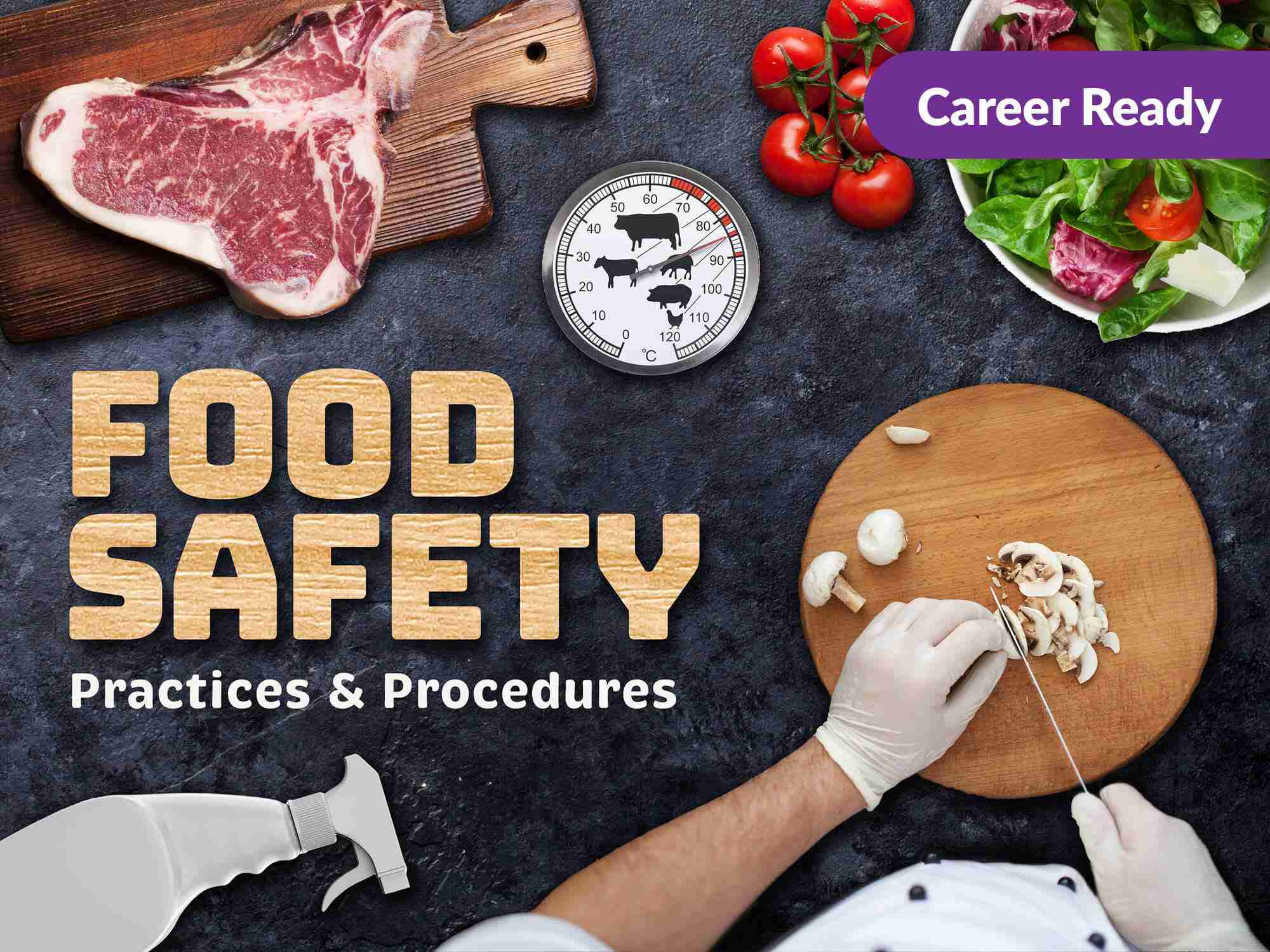
In the paddy processing journey, ensuring food safety is a critical step that involves various processes to guarantee the quality of the final product. From the initial harvesting in the fields to the final packaging for consumers, each stage requires careful attention to detail and adherence to strict standards.
One key aspect of ensuring food safety in paddy processing is proper storage and transportation practices. This includes maintaining the right temperature and humidity levels to prevent mold growth and contamination. Additionally, regular inspections and quality checks at each stage of processing help to identify any potential hazards and ensure that only safe and high-quality paddy products make it to the table.
Heading 4: Tips for Preserving the Quality of Rice From Field to Table
When it comes to preserving the quality of rice from field to table, there are several key tips to keep in mind. First and foremost, it is essential to ensure that the rice is harvested at the right time. Harvesting too early or too late can have a significant impact on the quality of the rice, so it is important to closely monitor the crop and harvest it at the optimal time.
Once the rice has been harvested, proper storage is crucial to maintain its quality. Storing rice in a cool, dry place is essential to prevent it from spoiling or becoming infested with pests. Additionally, using airtight containers can help to keep the rice fresh for longer periods of time. By following these tips, you can ensure that the rice you serve at your table is of the highest quality.
To Conclude
As we conclude our exploration of the intricate art of paddy processing, it becomes clear that transforming this humble grain from field to table is truly a labor of love. The meticulous care and attention to detail involved in each step of the process highlight the deep-rooted traditions and expertise that have been passed down through generations. From the farmer tending to the paddies to the skilled artisans carefully refining the grains, the journey of paddy from its origins in the fields to its place on our tables is nothing short of a masterpiece. So next time you enjoy a bowl of rice, take a moment to appreciate the artistry and dedication that went into bringing it to your plate.




