
In the heart of agrarian landscapes, where golden fields sway gently in the breeze, rice has long been celebrated as a staple that nourishes billions. Yet, behind every grain lies a complex journey that transforms paddy from field to table. Traditionally, this journey has been labor-intensive and laden with challenges, where farmers grapple with the rigors of manual processing and inefficiencies that can stifle productivity. However, a quiet revolution is underway, driven by the advent of innovative paddy processing machines that promise to reshape the entire rice production landscape. This article explores the profound impact of these technological advancements, examining how they not only streamline processing but also enhance quality, sustainability, and the livelihoods of farmers worldwide. As we delve into the mechanics of these machines and their role in fostering a more resilient agricultural future, we uncover a story of hope, efficiency, and the relentless pursuit of progress in the world of rice cultivation.
Transforming Agriculture Through Technology
In an era where technological advancements permeate every aspect of life, agriculture stands at the cusp of a significant transformation. Through the integration of cutting-edge paddy processing machines, farmers are significantly enhancing both the efficiency and quality of rice production. These machines, equipped with features designed specifically for the unique requirements of paddy processing, streamline operations from milling to packaging. The advantages include:
- Increased Yield: Automated processes reduce waste, leading to higher quantities of market-ready rice.
- Improved Quality: Advanced technology ensures that the rice retains its nutritional value, appealing to health-conscious consumers.
- Cost-effective: Lower labor costs and reduced time spent on processing make rice production more profitable.
The environmental impact of these machines cannot be overlooked either. By utilizing energy-efficient designs and optimized operations, they contribute to reducing the carbon footprint associated with rice production. Furthermore, paddy processing machines promote sustainable farming practices through less resource-intensive methods, ensuring a responsible approach to agriculture. The table below illustrates the key benefits of adopting these technologies:
| Innovation | Benefit |
|---|---|
| Automated Milling | Reduces processing time and labor costs |
| Quality Control Systems | Ensures uniform grain size and polish |
| Eco-friendly Technology | Minimizes waste and lowers energy consumption |
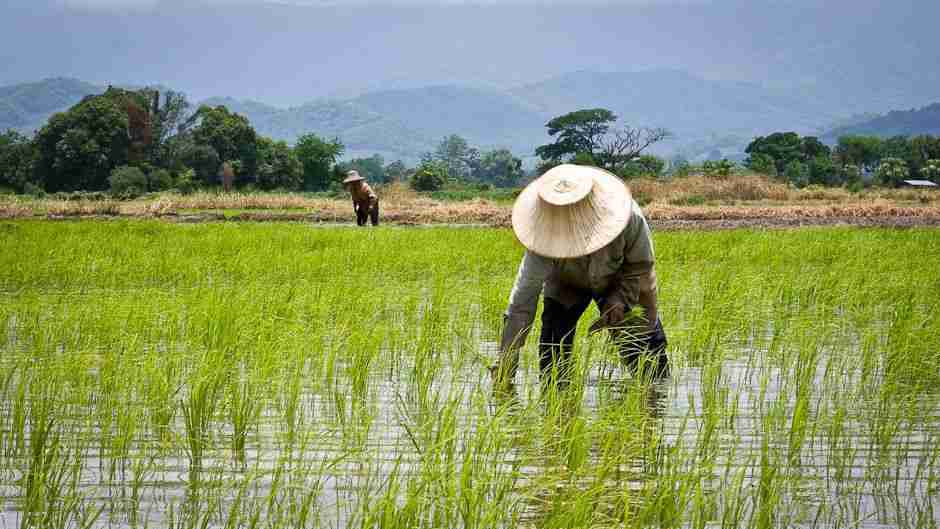
Enhancing Quality and Efficiency in Rice Production
In today’s agricultural landscape, the introduction of advanced paddy processing machines has transformed the way rice is produced and processed, significantly enhancing both quality and efficiency. These machines are designed to automate crucial steps, minimizing human error and labor intensity. By implementing technology such as automated huskers, polishers, and color sorters, farmers and millers are able to achieve smoother operations that save time and resources. This mechanization leads to improved yield rates and lower production costs, allowing for greater access to high-quality rice in local markets and beyond.
Moreover, with precise settings and real-time monitoring capabilities, these machines not only improve the consistency of rice quality but also ensure that nutritional content is preserved during processing. A comparison of traditional versus machine-aided processing illustrates the benefits visually:
| Aspect | Traditional Processing | Machine-Aided Processing |
|---|---|---|
| Labor Intensity | High | Low |
| Processing Time | Long | Fast |
| Quality Consistency | Variable | High |
| Nutritional Preservation | Moderate | High |
Incorporating paddy processing machines fosters sustainability by reducing waste and optimizing resource usage. By achieving an efficient processing cycle, these innovations allow farmers to meet rising global demands while bolstering their economic viability. This paradigm shift not only nurtures local economies but also contributes to food security efforts worldwide.

Sustainable Practices in Paddy Processing
In the quest for a greener planet, the paddy processing industry has taken significant strides by incorporating sustainable practices. Modern machines are designed not only to enhance productivity but also to minimize environmental impact. For example, utilizing energy-efficient equipment reduces electricity consumption, while advanced waste management systems help repurpose by-products into helpful organic fertilizers. This holistic approach aligns with eco-friendly methodologies that promote resource conservation and waste reduction at every stage of production.
Moreover, cutting-edge technologies such as solar-powered dryers and water-efficient husking machines not only optimize the processing timeline but also mitigate the industry’s carbon footprint. Key practices that demonstrate this shift include:
- Use of renewable energy sources to power machinery, reducing reliance on fossil fuels.
- Implementing closed-loop systems that recycle water and materials, enhancing sustainability.
- Training farmers in precision agriculture to minimize chemical usage and improve crop yield.
Through these initiatives, the paddy processing sector not only strives for efficiency but also contributes positively to environmental stewardship, redefining its role in the agricultural landscape.
Future Innovations: What’s Next for Rice Processing Machines
As technology continuously evolves, the future of rice processing machines is poised for remarkable transformation. Innovations in artificial intelligence and automation promise to enhance the efficiency and precision of rice milling processes. Advanced sensors will allow machines to monitor grain quality in real-time, ensuring only the finest grains are selected. Additionally, with the rise of machine learning algorithms, rice processing systems could optimize energy consumption and operational costs, responding dynamically to variations in input quality and yield. This not only enhances productivity but also contributes to sustainability by minimizing waste.
Furthermore, the integration of eco-friendly practices into rice processing technology is becoming increasingly vital. Future machines are likely to feature innovative design elements such as low-emission systems and water-efficient methods that align with global sustainability goals. Key features expected in next-generation rice processing machines include:
- Smart Drying Techniques: Utilizing solar energy to reduce reliance on fossil fuels.
- Automated Quality Control: Robots equipped with AI-driven vision systems for better sorting and grading.
- Modular Systems: Flexible machinery that can be easily upgraded as new technologies emerge.
- Data Analytics Integration: Comprehensive tracking of production efficiency and quality metrics.
| Feature | Benefit |
|---|---|
| Smart Drying | Energy-efficient and environmentally friendly. |
| Automated Sorting | Increased accuracy and reduced labor costs. |
| Modular Design | Adaptable to future technology advancements. |
| Analytics Integration | Enhanced data-driven decision making. |
Wrapping Up
the evolution of paddy processing machines stands as a testament to human ingenuity and our relentless pursuit of efficiency in agriculture. As we reflect on their transformative impact—from enhancing yield and reducing waste to fostering economic stability in rice-dependent communities—it’s clear that these machines are not just tools; they are catalysts for change. By embracing technology and innovation, we are not only revolutionizing rice production but also paving the way for a more sustainable and secure food future. As we look ahead, it’s imperative that we continue to explore and invest in advancements that will not only honor our agricultural heritage but also cater to the growing needs of a global population. The journey of rice is far from over; with each innovation, we take a step towards feeding millions while nurturing the planet.




