
Step into the fascinating world of paddy processing, where the seemingly simple grain of rice undergoes a complex transformation to become the staple food of billions. Join us as we unravel the intricate art of rice milling, delving into the methods and techniques that bring out the best in every grain. From traditional hand-pounding to modern industrial processes, we explore the evolution of this age-old practice and the vital role it plays in feeding the world. Embark on a journey with us through the rice fields and into the heart of the mill, where the magic of paddy processing unfolds before your eyes.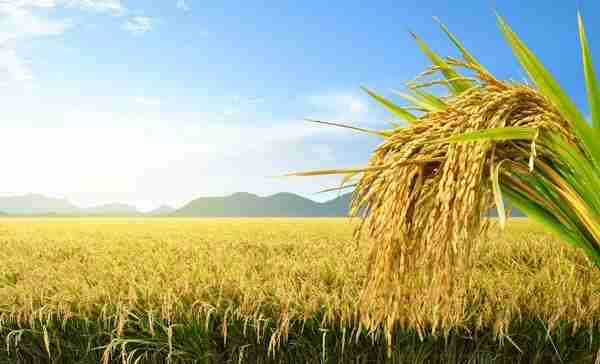
– The Importance of Proper Paddy Processing Techniques
Rice milling is a delicate process that requires precision and expertise to ensure the highest quality end product. Proper paddy processing techniques are crucial in maintaining the nutritional value, taste, and texture of rice grains. By embracing the art of rice milling, farmers and millers can unlock the full potential of the humble paddy and deliver superior rice to consumers around the world.
One key aspect of proper paddy processing is the removal of impurities and foreign materials from the grains. This involves cleaning, husking, polishing, and grading the rice to eliminate any unwanted elements that can affect the quality of the final product. Additionally, optimizing drying techniques to reduce moisture content in the paddy is essential in preventing mold growth and maintaining the freshness of the rice. By following these meticulous procedures, rice millers can produce premium rice that meets the highest standards of quality and taste.
– Understanding the Different Stages of Rice Milling
Paddy Processing: Unveiling the Art of Rice Milling
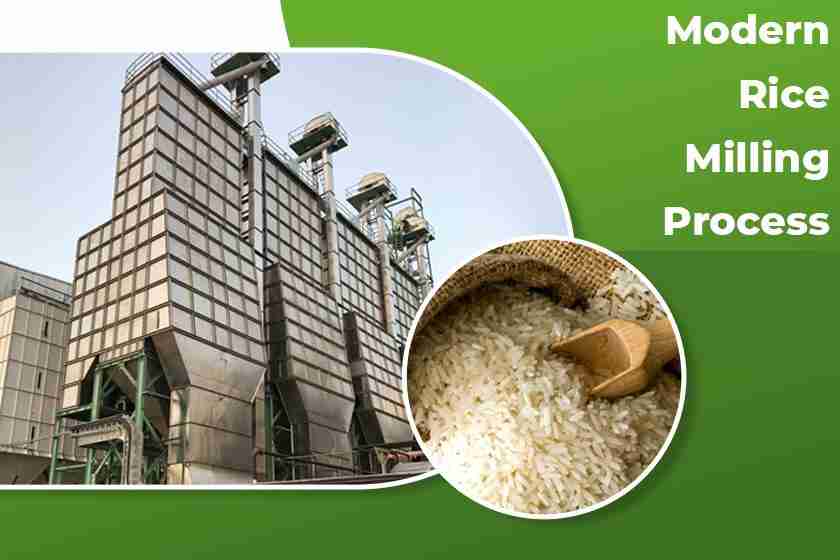
Rice milling is a complex process that involves several stages, each crucial in transforming paddy into the polished grains we all know and love. Understanding these different stages can help us appreciate the artistry and precision that goes into producing the rice we consume on a daily basis.
Firstly, the paddy goes through the cleaning stage where impurities such as stones, dust, and straw are removed. This ensures that the rice grains remain pure and of high quality. Next, it undergoes the dehusking process where the outer husk is removed to reveal the brown rice underneath. This is followed by the whitening stage where the bran layer is removed to produce white rice. Finally, the rice is polished to give it a shiny appearance before it is ready to be packaged and consumed.
– Tips for Enhancing Efficiency and Quality in Rice Milling Operations
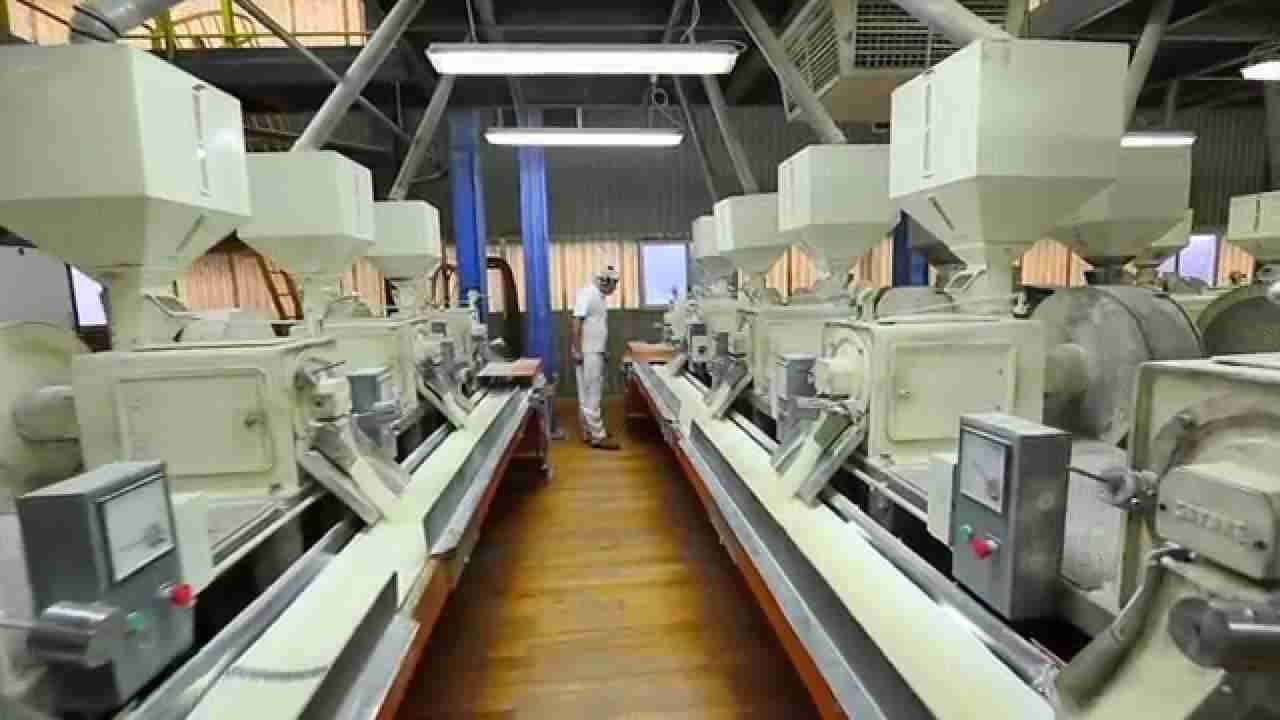
Rice milling operations are a fine art that requires precision and attention to detail to achieve optimal efficiency and quality. Enhancing the process can lead to better productivity and higher quality rice products. Here are some tips to help you unlock the full potential of your paddy processing:
- Invest in modern technology: Upgrading your equipment to modern, high-tech machinery can significantly improve the efficiency of your rice milling operations. Look for machines that offer automation, real-time monitoring, and precision control to streamline the process.
- Optimize the milling process: Fine-tune your milling process by adjusting parameters such as moisture content, milling speed, and grain quality. Experiment with different settings to find the optimal combination that results in the highest yield and quality rice.
| Tip | Benefit |
|---|---|
| Invest in modern technology | Improves efficiency and productivity |
| Optimize the milling process | Enhances rice quality and yield |
Concluding Remarks
In conclusion, the art of rice milling is a fascinating and intricate process that has been perfected over centuries. From harvesting paddy to the final polished grains, each step requires precision and specialized knowledge. As we peel back the layers of this age-old practice, we gain a deeper appreciation for the humble grain that sustains billions around the world. So the next time you enjoy a bowl of steaming rice, remember the journey it took to reach your plate, and the skill and craftsmanship that went into its processing. Let us continue to support and celebrate the art of rice milling, ensuring that this essential tradition endures for generations to come.




