
Inside the Paddy Processing Plant: Turning Grain into Gold
As the sun rises over lush green fields, the world awakens to the rhythmic dance of harvester machines, reaping the bountiful harvest—a testament to nature’s generosity. Beyond the verdant landscape, where grains are gathered with care, lies a hidden realm that turns this raw agriculture into something extraordinary. Welcome to the Paddy Processing Plant, where the journey of rice transforms from mere grains of paddy into glistening jewels ready for our tables. Here, technology and tradition converge in a symphony of machinery and meticulous craftsmanship. Every stage of the processing—from drying and milling to polishing—plays a crucial role in unlocking the true potential of this staple food. In this article, we delve beneath the surface to explore the intricate workings of the plant, shedding light on the processes that elevate humble grains into a culinary treasure—a transformation that has fed nations and fostered cultures for millennia. Join us as we embark on this journey, discovering the alchemy of rice processing and the stories woven into every grain.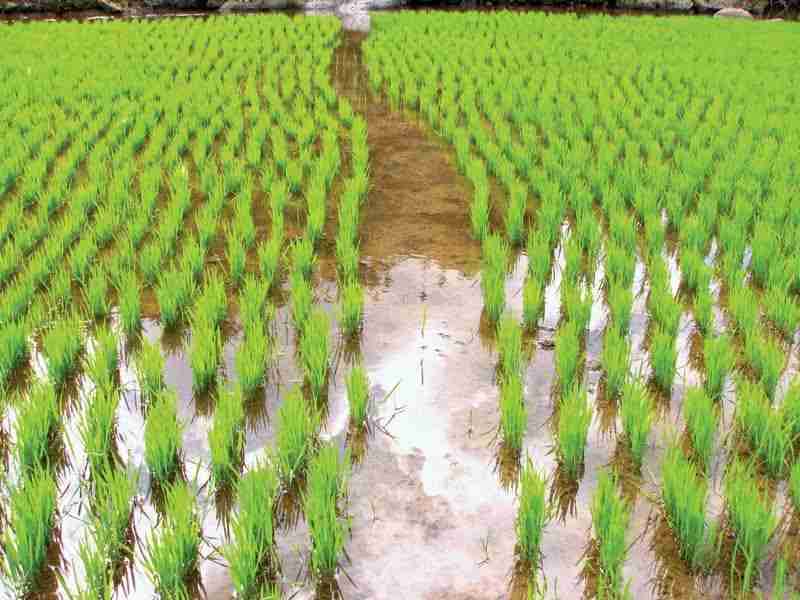
Understanding the Paddy Processing Journey from Harvest to Market
The journey of paddy processing is a meticulous art that transforms raw grains into refined products, ready for market. It begins shortly after harvest when paddy is collected, a process that requires swift action to ensure quality. The harvested paddy is then transported to processing plants where it undergoes several stages. Here, cleaning is pivotal, as impurities such as dirt, stones, and shriveled grains are meticulously removed through advanced machinery. After cleaning, the paddy is hulled to separate the grain from the hard outer shell, a vital step to yield the edible product. Following this, polishing comes into play, which enhances the appearance and shelf life of the rice by removing the bran layer to produce white rice.
As the processing continues, each step adds value to the grain, culminating in a variety of rice products. Sorting is essential to achieve uniformity in grain size and quality, which directly impacts marketability. The processed rice is then packaged, often in eco-friendly materials, ready to find its way to consumers. A simplified overview of this intricate process can be summarized as follows:
| Processing Stage | Description |
|---|---|
| Harvesting | Collection of paddy from fields. |
| Cleaning | Removal of impurities and foreign materials. |
| Hulling | Separation of the grain from the husk. |
| Polishing | Enhancement of appearance and shelf life. |
| Sorting | Ensuring uniformity in grain size and quality. |
| Packaging | Prepared for distribution to markets. |

Embracing Technology and Innovation for Enhanced Efficiency
In the heart of our paddy processing plant, modern technology breathes life into traditional methods, transforming heaps of raw grain into market-ready products. The integration of cutting-edge machinery has revolutionized our operations, ensuring that every step of the processing journey is not only efficient but also sustainable. Our state-of-the-art equipment, such as automated sorting and milling systems, minimizes waste and maximizes output. As a result, we witness a remarkable increase in performance and a significant decrease in energy consumption.
To illustrate the remarkable improvements brought by embracing innovative solutions, consider the following advantages that our paddy processing plant has experienced:
- Reduced Processing Time: Advanced machinery shortens the time from field to table.
- Increased Yield: Enhanced sorting technology ensures optimal grain quality.
- Minimized Labor Costs: Automation decreases the dependency on manual labor.
- Sustainable Practices: Energy-efficient processes lower our carbon footprint.
Additionally, we track our progress and enhance accountability by utilizing well-defined metrics, which are vital to our operations. Implementing dashboards that showcase key performance indicators allows us to fine-tune processes and maintain high standards of quality. Here’s a snapshot of some metrics we analyze:
| Metric | Before Technology Integration | After Technology Integration |
|---|---|---|
| Processing Time (hrs) | 12 | 8 |
| Waste Percentage (%) | 10 | 3 |
| Energy Usage (kWh) | 5000 | 3000 |
Quality Control Measures: Ensuring the Gold Standard in Every Grain
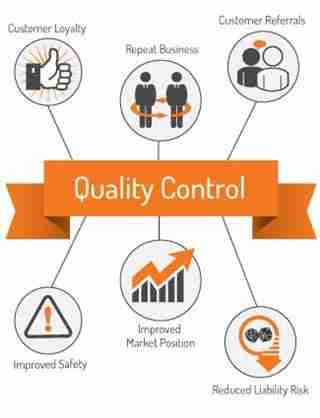
At the heart of the paddy processing plant lies a robust framework of precision and care, dedicated to delivering only the finest quality grains. The process begins at the receiving stage, where paddy is carefully inspected and tested for moisture content, impurities, and overall quality. Each batch undergoes a series of rigorous checks, ensuring that only the best grains make their way through our state-of-the-art machinery. Our quality control team employs advanced technology and manual assessments to monitor:
- Moisture Levels: Utilizing precise moisture analyzers to maintain optimal storage conditions.
- Contaminant Detection: Advanced optical sorting to eliminate any foreign materials.
- Grain Integrity: Physical inspections to assess the quality of each grain’s texture and size.
The commitment to excellence doesn’t stop at inspection; it extends through every phase of processing. Each grain is subject to a multi-point quality check throughout the entire workflow, from milling to packaging. Our continuous improvement ethos drives us to adapt and refine these measures, ensuring every grain meets the gold standard. Here’s a snapshot of our quality control checkpoints:
| Process Stage | Quality Control Measure | Outcome |
|---|---|---|
| Receiving | Moisture Testing | Ensures safe storage and optimal milling. |
| Milling | Particle Size Analysis | Uniformity for better cooking and taste. |
| Packaging | Seal Integrity Testing | Maintains freshness and prevents contamination. |
Sustainable Practices in Paddy Processing: Balancing Profit with Purpose
In the heart of a paddy processing plant, sustainability has silently emerged as a cornerstone of operational success. By redefining traditional methods, processors can align their practices with modern environmental standards while maintaining profitability. The integration of organic pest management and waste reduction strategies not only benefits the ecosystem but also enhances the quality of the end product. For instance, using natural fertilizers like compost significantly reduces reliance on synthetic chemicals, leading to healthier soil and improved crop resilience. Other practices include:
- Water Conservation: Implementing closed-loop irrigation systems to minimize water use during processing.
- Energy Efficiency: Upgrading to energy-efficient machinery that utilizes renewable sources.
- Waste Recycling: Transforming husks and other by-products into bioenergy or livestock feed.
Moreover, an emphasis on community involvement amplifies the sustainable narrative. By engaging local farmers in fair trade agreements, processors not only ensure a stable supply of raw materials but also contribute to local economies. This symbiotic relationship fosters a sense of ownership and responsibility, encouraging farmers to adopt eco-friendly practices as part of their cultivation methods. A simplified comparison of traditional versus sustainable paddy processing can highlight this shift:
| Aspect | Traditional Processing | Sustainable Processing |
|---|---|---|
| Water Usage | High | Reduced |
| Energy Sources | Fossil Fuels | Renewable Energy |
| By-Product Management | Waste Disposal | Recycling |
The Conclusion
As we conclude our journey through the inner workings of the Paddy Processing Plant, it’s clear that the transformation of humble grains into valuable resources is not just a process; it’s a symphony of technology, skill, and nature’s bounty. Each step, from the initial milling to the final packaging, embodies the meticulous artistry and dedication of those who toil behind the scenes. What might seem like mere grains are, in fact, the foundation of countless meals and livelihoods across the globe—turning agricultural potential into culinary gold.
Exploring the plant has provided us with insights not only into the mechanics of production but also into the profound impact the rice industry has on communities and economies alike. As we reflect on this delicate balance between innovation and tradition, it becomes evident that each grain carries with it a story, a promise, and a point of connection to our shared humanity.
In an ever-evolving world, one thing remains certain: the journey from field to fork is a testament to resilience, craftsmanship, and the value of sustainable practices that ensure the grain remains gold, enriching lives and nourishing the planet. Thank you for joining us on this exploration—may your next meal be a reminder of the intricate processes that bring it to your table.




