
Inside the Paddy Processing Factory: Transforming Rice Dreams
Every grain of rice tells a story—a tale of fields swaying under the sun, of farmers nurturing their crops with hope, and of communities that revolve around this humble staple. Yet, the journey from paddy to plate is not merely a passage of time; it is a meticulous process that takes place within the bustling heart of a rice processing factory. Here, the dreams born in the paddies are transformed into the polished grains that fill bowls and nourish lives around the world. In this exploration, we will delve into the intricate workings of a paddy processing factory, uncovering the technology, labor, and artistry involved in serving one of humanity’s oldest and most cherished foods. Join us as we peel back the layers of this complex operation, revealing how every step—from harvest to milling—contributes to the final product that shapes culinary traditions and sustains millions.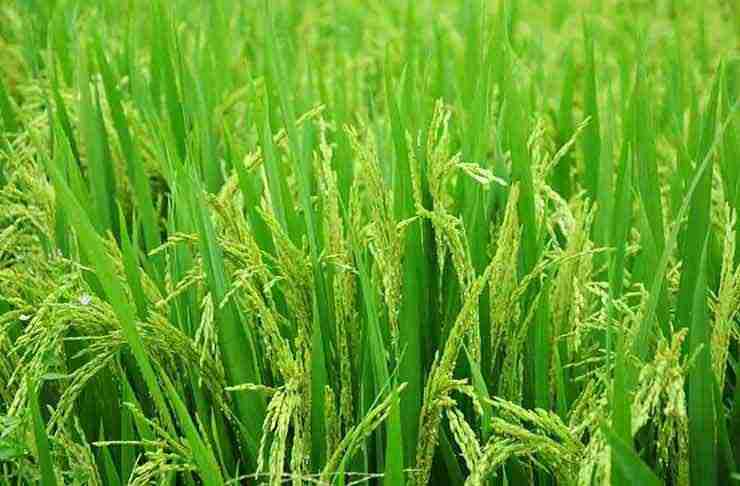
Exploring the Journey from Paddy to Polished Rice
As we step inside the paddy processing factory, we are greeted by the symphony of machinery that breathes life into humble grains. Here, the journey of transformation begins from its raw state to the gleaming polished rice that graces our tables. Farmers bring in freshly harvested paddy, which is then subjected to a meticulous process to ensure quality and flavor retention. Each stage plays a crucial role, from initial drying to husking, and the sound of the machines is an ode to efficiency. The process steps include:
- Drying: Moisture is carefully removed to prevent spoilage.
- Husking: The outer husk is removed, unveiling the brown rice beneath.
- Milling: The brown rice is polished, refining it to white rice.
- Grading: Rice is sorted based on size and quality.
Throughout this journey, quality control is paramount. The factory employs meticulous standards to ensure that each grain meets the expectations of consumers. A dedicated team monitors color, texture, and taste, creating a product that not only satisfies hunger but also culinary desires. To simplify the complex process, here’s a concise breakdown:
| Process | Description |
|---|---|
| Drying | Reduces moisture content |
| Husking | Removes the protective outer layer |
| Milling | Polishes the rice grains |
| Grading | Sorts rice for quality control |

Innovative Techniques in Paddy Processing for Quality Assurance
In the heart of the paddy processing factory, cutting-edge innovations are redefining the landscape of rice quality assurance. Advanced machinery equipped with artificial intelligence analyzes grain quality at unprecedented speeds, ensuring only the finest paddy makes it through to the final product. Optical sorting technology is at the forefront, utilizing high-resolution imaging to detect foreign materials and subpar grains. This process significantly reduces the need for manual inspection, enhancing efficiency and accuracy while maintaining product integrity. Moreover, the integration of real-time monitoring systems allows for immediate quality checks during processing, facilitating prompt adjustments to machinery settings based on live data.
In addition to technological advancements, innovative practices such as environmentally-friendly milling processes are gaining traction. These methods not only improve grain yield but also preserve the nutritional value of rice, aligning with modern consumer preferences. Factories are now adopting waste reduction techniques, where byproducts from milling are transformed into valuable resources such as animal feed and bioenergy. Below is a comparison of traditional milling methods vs. modern techniques:
| Aspect | Traditional Milling | Modern Techniques |
|---|---|---|
| Efficiency | Lower grain recovery | Higher grain recovery |
| Energy Usage | Higher energy consumption | Optimized energy use |
| Byproducts | Waste generated | Utilized as resources |
The commitment to quality assurance in paddy processing is not merely a trend; it is a necessity for a growing market that demands both excellence and sustainability. By embracing these innovative techniques, paddy processing factories are not only enhancing their operational efficiency but also ensuring that the rice reaching consumers is of the highest standard, setting new benchmarks in the agricultural industry.

Sustainable Practices in Rice Processing: Balancing Efficiency and Environment
In the quest for sustainability, rice processing facilities are increasingly adopting innovative techniques that marry efficiency with eco-friendliness. By utilizing renewable energy sources, such as solar and biomass, factories are not only reducing their carbon footprints but also cutting operating costs. This shift allows production processes to run smoothly while minimizing environmental impacts. Furthermore, many facilities are turning to water recycling systems, which capture and purify water used in milling. This initiative not only conserves precious resources but also mitigates water pollution, creating a ripple effect that benefits local ecosystems and communities.
Moreover, the integration of smart technology is revolutionizing rice processing by enhancing quality control and reducing waste. Through advanced data analytics, factories can monitor performance and optimize processes in real-time, leading to fewer defective grains and increased overall yield. The adoption of eco-friendly packaging materials is another step towards sustainable practices, as it reduces reliance on plastics and promotes a circular economy. To illustrate the balance between efficiency and environmental stewardship in rice processing, consider the following comparison of traditional vs. sustainable practices:
| Aspect | Traditional Practices | Sustainable Practices |
|---|---|---|
| Energy Source | Fossil Fuels | Renewable Energy |
| Water Usage | High Consumption | Recycling Systems |
| Waste Management | Landfills | Biomass Conversion |
| Packaging | Plastic | Eco-Friendly Materials |
By embracing these sustainable practices, rice processing facilities not only enhance productivity but also contribute to eco-conscious consumer behavior and safeguard the future of agriculture. This multifaceted approach underscores the potential of the rice industry to lead the way in sustainable food production.
Future Trends in Rice Milling: Embracing Technology and Consumer Demand
The evolution of rice milling is being driven by both technological advancements and shifting consumer preferences. As global populations grow and dietary demands change, the rice milling industry is poised to adopt innovative techniques aimed at enhancing efficiency and sustainability. Automated milling systems enable mills to operate with precision, reducing waste and improving yield. Moreover, these technologies facilitate real-time data collection, empowering mill operators to optimize processes and ensure quality control. Key trends include:
- Smart Processing: Integration of IoT devices for predictive maintenance and operational analytics.
- Energy Efficiency: Adoption of renewable energy sources and energy-efficient machinery.
- Quality Assurance: Advanced grading systems utilizing AI to ensure consistent product quality.
- Consumer Engagement: Use of digital platforms for transparency regarding sourcing and processing.
In addition to technology, consumer preference toward healthier and more sustainable options continues to shape the rice market. The demand for organic and fortified rice varieties is increasing, as consumers become more conscious of their dietary choices. Mills must adapt to these trends by investing in specialty processing techniques and promoting value-added products that cater to health-conscious consumers. To facilitate this shift, here are some key rice segments gaining traction:
| Rice Segment | Consumer Demand |
|---|---|
| Organic Rice | High |
| Fortified Rice | Growing |
| Parboiled Rice | Stable |
| Specialty Varieties | Increasing |
Wrapping Up
As we draw the curtains on our journey through the Paddy Processing Factory, we come to understand that behind every grain of rice lies a story of transformation, dedication, and innovation. This dance of machines and labor, where raw paddy is meticulously molded into the polished staple we cherish, reflects not just the artistry of processing but also the intricate supply chain that sustains millions.
Each step in the factory, from drying to milling and packaging, encapsulates the hopes and dreams of farmers, workers, and consumers alike, all converging in the pursuit of nourishment and prosperity. As we savor rice on our plates, let us remember the stories woven into its journey—from the fields to the factory, and ultimately to our homes.
In a world constantly evolving, the paddy processing factory stands as a testament to human ingenuity and resilience, reminding us that even the simplest of staples requires a commitment to excellence. As we continue to celebrate the fruits of this labor, may we also honor the process that transforms our aspirations into reality, one kernel at a time.




