
In the heart of verdant rice fields, where the golden grains sway gently in the breeze, lies a world where tradition meets innovation. Welcome to the paddy processing factory, a bustling nexus that transforms freshly harvested rice into the staple we know so well. Here, amidst the hum of machinery and the rhythm of human labor, each stage of the journey is an intricate dance—from the moment the paddy is gathered from the fields to when it sits securely in silos, ready to nourish communities. In this article, we take you on an insightful tour inside the paddy processing factory, unraveling the complexities of a process that is as vital as it is fascinating. Join us as we explore the passage of paddy from harvest to hoppers, discovering the technologies, techniques, and dedication that bring this essential grain to our tables.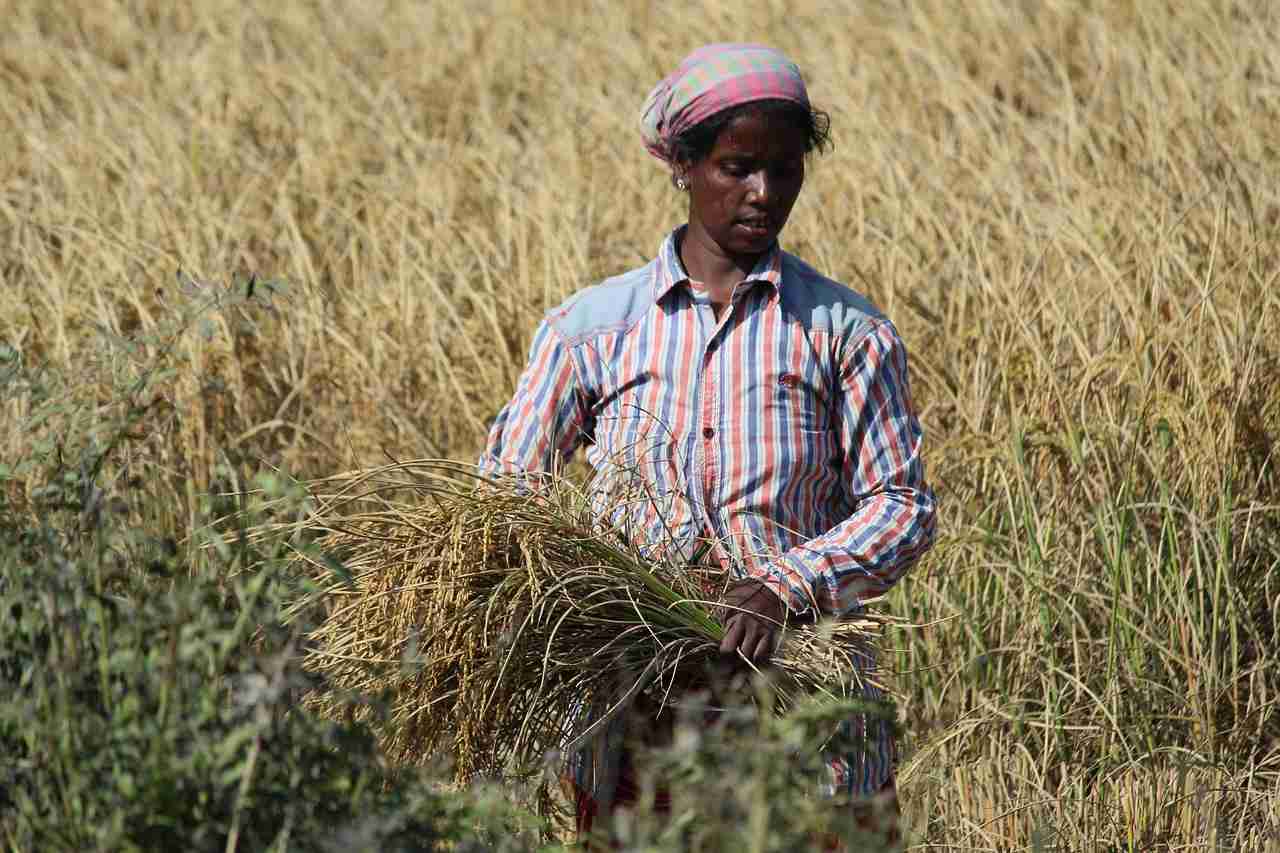
Understanding Paddy Harvesting Techniques for Optimal Quality
Paddy harvesting is a critical phase in the journey of rice from field to plate. It encompasses a variety of techniques, each aimed at ensuring the quality of the grain is preserved. Among the most effective methods are manual harvesting, which involves skilled hands carefully cutting the plants, and mechanical harvesting, where advanced machines swiftly collect large quantities. While mechanical methods significantly increase efficiency, they may lead to grain damage if not calibrated properly. To achieve optimal quality, farmers must consider factors such as the moisture content of the grain and the timing of the harvest to avoid losses.
Once harvested, the next step is post-harvest handling, which influences the final quality of the rice. Proper drying is essential, as it prevents mold and maintains the desired attributes of the grain. Two popular drying methods include:
- Sun Drying: Utilizes natural sunlight but can be time-consuming and weather-dependent.
- Mechanical Drying: Offers controlled conditions that accelerate the drying process, minimizing quality losses.
Following drying, the paddy moves to a processing facility where it undergoes milling. In this stage, husks are removed, and the rice is polished. Quality control checks, including moisture measurement and grading, ensure that only the best grains make it to market. The table below highlights some key quality indicators monitored during processing:
| Quality Indicator | Description |
|---|---|
| Grain Moisture Content | Optimal range for storage and quality maintenance |
| Grain Size | Uniformity affects cooking quality and market value |
| Damage Kernels | Assessment of broken grains that impact quality perception |

The Journey Through Post-Harvest Processing: Key Steps Demystified
Once the rice is harvested, the post-harvest processing journey begins, an intricate series of steps vital for transforming paddy into market-ready rice. First, the threshing stage separates the grains from the stalks. This is typically accomplished via mechanical threshers that efficiently strip away the grains while minimizing damage. Following threshing, the rice is subjected to cleaning, where impurities such as dust, stones, and broken grains are extracted using air and sieves. The next step involves drying, critical for preventing mold and preserving quality; this may happen in the sun or through mechanized dryers, ensuring moisture content is reduced to a safe level before the rice is stored.
After drying, the grains enter the milling process, which involves hulling to remove the outer husk followed by polishing for enhanced appearance. This phase can be complex, employing various machines that often include dehusking and whitening units. The rice is then graded based on size, color, and quality, which is pivotal for market classification. The final stage involves packaging, where processed rice is stored in sacks or bulk hoppers, ready for distribution. This systematic approach not only preserves the quality of the rice but also helps in maximizing yield and efficiency in the overall production chain.
Innovations in Paddy Storage and Hoppers: Enhancing Efficiency
Advancements in paddy storage and hopper designs have revolutionized the agriculture sector, particularly in regions relying heavily on rice cultivation. Modern systems now employ smart technology to regulate temperature and humidity levels, ensuring optimal conditions for grain preservation. These innovations not only reduce spoilage rates but also enhance the overall quality of the stored produce. Some key features of contemporary paddy storage solutions include:
- Automated monitoring systems: Sensors continually track moisture and temperature, allowing for timely adjustments.
- Modular hoppers: Designed for easy integration into existing facilities, they provide flexible storage options that can be expanded as needed.
- Environmentally friendly materials: New storage units utilize recyclable polymers to minimize environmental impact.
The design of modern hoppers has also shifted towards maximizing throughput while minimizing waste. The introduction of gravity-fed systems allows for smoother flow of paddy into storage, reducing the risk of breakage. Additionally, these systems are often coupled with enhanced cleaning mechanisms to ensure grain purity. The following table outlines some of the distinguishing features of traditional versus innovative paddy hoppers:
| Feature | Traditional Hoppers | Innovative Hoppers |
|---|---|---|
| Flow Mechanism | Manual controls | Gravity-fed automation |
| Material | Metal/Steel | Composite/Recyclable |
| Monitoring | None | Smart sensors |
| Efficiency | Moderate | High |
Best Practices for Quality Control in Paddy Processing Facilities
Quality control in paddy processing facilities is essential to ensure that every grain meets the highest standards before it reaches consumers. Implementing rigorous check points at various stages of processing can significantly reduce the risk of contamination and maintain product integrity. Key practices to adopt include:
- Routine Sampling: Regular collection and testing of paddy samples can help identify issues early in the milling process.
- Visual Inspection: Manually examining grains for impurities and defects allows for early intervention and rectification.
- Automated Quality Testing: Invest in state-of-the-art technology for automated grading, ensuring uniformity and precision.
One of the pivotal components in maintaining quality control is ensuring worker training and adherence to protocol. Employees must be equipped with knowledge about best practices in hygiene and equipment operation. Additionally, establishing a systematic feedback loop between production and quality assurance can enhance efficiency by:
| Feedback Type | Action Taken |
|---|---|
| Defective Batch Reports | Immediate inspection and adjustments in processing machinery. |
| Customer Complaints | Review and refine processing standards according to feedback. |
| Employee Suggestions | Incorporate improvements suggested by staff into daily operations. |
These approaches not only enhance product quality but also foster a culture of continuous improvement within the facility.
In Summary
As we conclude our journey through the intricate world of paddy processing, we emerge with a deeper appreciation for the complex journey that begins in the fields and ends in the hoppers of factories. Each grain of rice tells a story of dedication, innovation, and precision, woven together by the hands of countless farmers, technicians, and workers committed to quality.
From the moment the paddy is harvested, through its meticulous cleaning, drying, and milling, we witness not only the transformation of a staple crop but also the interplay of tradition and technology. In this process, every step is essential—each machine in perfect harmony, skillfully turning raw grain into the edible treasure that graces our tables.
As you reflect on the insights gained from this exploration inside the factory, consider the journey that your next meal represents. The humble grain is not merely a food source; it is a bridge connecting cultures, economies, and the flavors that enrich our lives. In understanding the movement from harvest to hoppers, we honor the labor and ingenuity that sustain us.
Thank you for joining us in this behind-the-scenes look at paddy processing. May it inspire you to appreciate the elegance of everyday ingredients and the stories they carry from field to fork.




