Inside a Paddy Processing Factory: Unveiling the Grain Journey
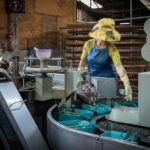
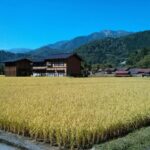
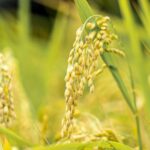
Nestled amidst the verdant fields where lush green rice plants sway gently in the breeze, a remarkable conversion is set in motion. The journey of a humble grain begins here,in the heart of the paddy processing factory,where nature’s bounty is meticulously crafted into a staple that graces tables across the globe. This article invites you to step inside the bustling confines of this frequently enough-overlooked facility, where cutting-edge technology meets age-old traditions, all orchestrated to elevate paddy into the polished grains we recognize.From the moment the rice is harvested to its final packaging, witness the intricate processes and the dedicated hands that ensure each grain tells a story of nourishment and abundance. Join us as we unveil the secrets behind the scenes, exploring how a simple seed evolves into a vital source of sustenance for millions, one step at a time.
Exploring the Anatomy of Paddy Processing Machinery
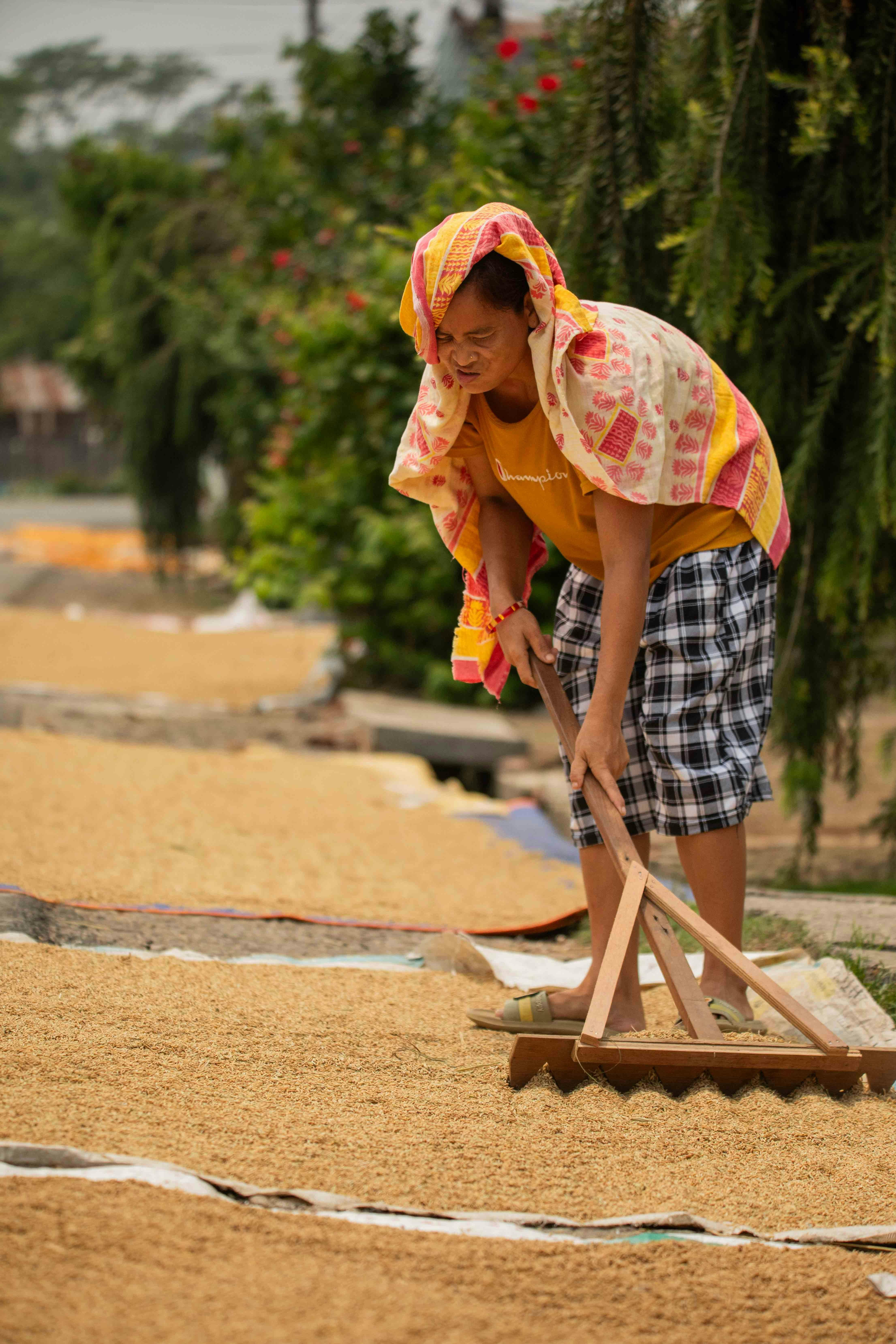
At the heart of every paddy processing factory lies a elegant assembly of machinery, each designed to play a pivotal role in transforming raw rice into the white grains we consume daily. The journey begins with the paddy husker, a powerful machine that removes the outer husk from the paddy grain. Next in line is the separator, which utilizes air and gravity to differentiate between the light debris and the heavier grains, ensuring clean processing. Following this, the whitener polishes the rice, removing the bran layer while preserving the essential nutrients and flavor, paving the way for the grader, which categorizes grains by size to guarantee uniformity in packaging.
Moreover, an increasingly vital component in modern paddy processing is the dryer, which reduces moisture levels to extend shelf life and improve quality. Key to ensuring optimal conditions,the temperature control unit helps maintain the ideal environment throughout the milling process.To offer a more visual perspective, here’s a breakdown of commonly used machinery and their functions:
| Machinery | Function |
|---|---|
| Paddy Husker | Removes the husk from paddy grains. |
| Separator | Sorts grains by weight and size. |
| Whitener | Polishes grains, removing bran. |
| grader | Categorizes rice by size. |
| Dryer | Reduces moisture levels in rice. |
Unraveling the Stages of Grain Transformation
Quality Control: Ensuring Excellence at Every Step
In a paddy processing factory, every grain tells a story, and the quality control team is the unsung hero of this journey. Utilizing cutting-edge technology and sophisticated techniques, this dedicated group meticulously tracks each batch, ensuring that only the finest reaches the final product. They implement a range of protocols that include:
- Visual Inspections: Trained eyes scrutinize each stage, identifying any foreign materials or damaged grains.
- Moisture Testing: Monitoring moisture levels is crucial; over-hydration can lead to spoilage.
- Grain Sampling: Random samples are collected and tested to guarantee uniformity and quality throughout the process.
The quality control process does not stop at visual inspections; it also involves precise metrics to assess the grain’s characteristics. A comprehensive quality analysis allows the factory to maintain high standards while continually improving their methods. The following table highlights the essential quality metrics tracked to ensure excellence:
| Quality Metric | Target Value | Actual Value |
|---|---|---|
| Moisture Content | 14% | 13.5% |
| Foreign Matter | 0.5% | 0.3% |
| Broken Grains | 3% | 2.8% |
Sustainable Practices in Paddy Processing for a Greener Future
In the quest for greener operations, paddy processing factories are increasingly embracing sustainable practices that minimize their environmental impact. By integrating advanced technologies and eco-friendly methods, these facilities are revolutionizing the grain journey. Key initiatives include:
- Water Conservation: Implementing closed-loop systems that recycle water to reduce wastage during the soaking and rinsing processes.
- energy Efficiency: Utilizing solar panels and energy-efficient machines to decrease reliance on fossil fuels.
- Waste Reduction: Transforming byproducts into useful materials, such as biomass for energy, thereby minimizing landfill contributions.
Moreover, factories are increasingly sourcing locally, which not only supports community economies but also reduces the carbon footprint associated with transportation. A growing emphasis on organic farming practices ensures that the rice grown requires fewer chemicals, further enhancing sustainability in the industry. The following table illustrates some of the sustainable practices adopted in paddy processing:
| Practice | Description |
|---|---|
| Eco-Friendly Pesticides | Using natural alternatives to minimize soil pollution. |
| Organic Packaging | Switching to biodegradable materials that reduce plastic waste. |
| Training Programs | Educating farmers on sustainable techniques to enhance productivity without harming the environment. |
in summary
As we conclude our journey through the intricate world of paddy processing, it’s clear that each grain carries with it a story of dedication, meticulous craftsmanship, and the harmony of technology and tradition.From the moment the rice seeds are sown in the lush fields to their transformation into the polished grains we recognize on our plates, every step is a testament to the labor and innovation that define this vital industry.
Within the walls of the processing factory, the hum of machinery and the rustle of grains blend into a symphony of productivity, where each phase plays a crucial role in preserving the quality and integrity of the rice.We’ve witnessed how a simple grain transforms through cleaning, milling, and packaging, ultimately culminating in nourishment for countless individuals around the globe.
As we part ways with the bustling factory, let us carry with us an recognition for the unseen hands that work relentlessly behind the scenes. The next time you savor a bowl of rice, remember the journey it has undergone — and the skill and passion that brought it to your table.The pathway of a single grain, frequently enough overlooked, is an enduring reminder of the connection we share with the earth and the importance of sustainable practices within our food systems. So, here’s to the humble paddy: a grain that nourishes not just the body, but the very fabric of our communities and cultures.