
Harvest to Table: The Journey of Paddy Processing Plants
In the heart of rural landscapes, where golden fields sway gently in the breeze, the journey of paddy transforms from humble grain to a staple on our dinner tables. This intricate transition begins in paddy processing plants, which serve as the critical nexus between agricultural production and culinary consumption. As farmers harvest their crops, a series of sophisticated yet labor-intensive processes unfold in these facilities, meticulously designed to ensure that each grain arrives in the optimal condition for cooking and enjoyment. From the vibrant fields to the bustling mills, this article embarks on an exploration of the paddy processing journey, uncovering the techniques, technologies, and tenacity that drive this pivotal aspect of our food system. Join us as we delve into the world of paddy processing plants and discover the artistry behind delivering one of the world’s most cherished foods from harvest to table.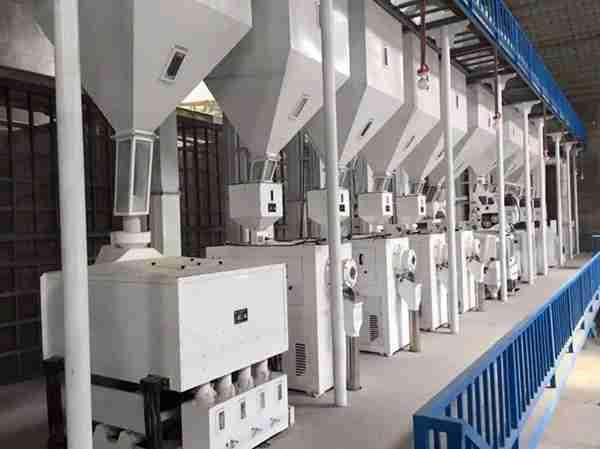
The Role of Paddy Processing Plants in Sustainable Agriculture
Paddy processing plants play a pivotal role in reinforcing sustainable agricultural practices, ensuring that rice, a staple food for billions, can be produced with minimal environmental impact. By employing cutting-edge technology and efficient processing methods, these plants help in:
- Minimizing Waste: Advanced milling techniques reduce the byproducts of rice processing, ensuring that nearly every part of the grain is utilized.
- Energy Efficiency: Innovative machinery and renewable energy sources decrease overall consumption, supporting a lower carbon footprint.
- Quality Control: Consistent and rigorous quality checks ensure only the best produce reaches consumers, reducing food waste.
Moreover, paddy processing plants actively contribute to the circular economy by turning waste into valuable resources. For instance, rice husks can be transformed into bioenergy, while bran is frequently repurposed in animal feed or as a health supplement. The synergy between agriculture and industry is showcased in the following table, highlighting how paddy processing supports sustainable development:
| Byproduct | Usage | Environmental Impact |
|---|---|---|
| Rice Husk | Biofuel | Reduces dependence on fossil fuels |
| Rice Bran | Animal Feed & Supplements | Minimizes waste and promotes animal health |
| Polished Rice | Food Supply | Supports food security globally |
Exploring the Paddy Journey from Field to Mill
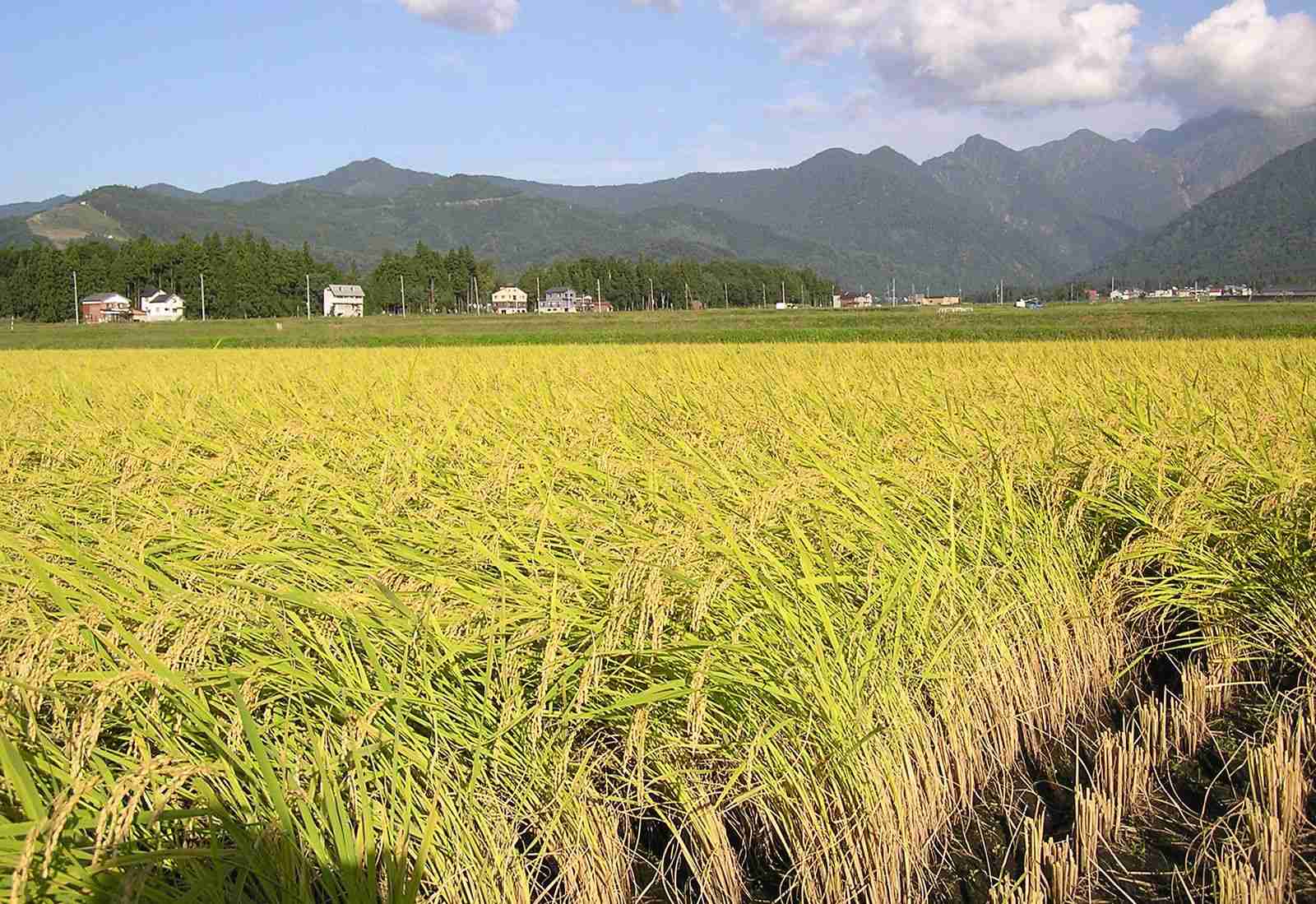
Each year, millions of farmers participate in a vibrant cycle where paddy plants flourish in the fields, only to embark on a transformative journey towards the mill. Farmers skillfully cultivate rice paddies, nurturing them with patience and dedication. The fields, usually inundated with water, boast an ecosystem that is as rich as the soil beneath. Harvest time is filled with excitement, as farmers carefully cut the paddy, noticing the golden grains glistening under the sun. These grains are then bundled and transported to processing plants, where the magic of transformation begins. The paddy undergoes a series of intricate steps: from drying and hulling to milling, each stage adding value and preserving nutritional qualities for future consumers.
At the mill, teamwork and technology intertwine to produce the aromatic rice that graces tables around the globe. Various processes shape the paddy into the refined product ready for consumption, including polishing and grading. The end result is visually stunning, with varying grades of rice displayed in neatly organized compartments, highlighting the relationship between quality and cultivation. To encapsulate this meticulous journey, we can summarize the main processes involved in paddy milling:
| Process Stage | Description |
|---|---|
| Harvesting | Careful cutting and gathering of paddy crops. |
| Drying | Reducing moisture content in harvested paddy to prevent spoilage. |
| Hulling | Removing the outer husk from paddy grains. |
| Milling | Grinding and refining the rice, improving texture and flavor. |
This interaction between nature and technology not only exemplifies an agricultural pathway but also reinforces the importance of sustainable practices and community support throughout the entire process. The full circle of life demonstrates how diligent efforts from the field enhance the dining experience, with every bite representing months of hard work and dedication from farmers and processors alike.

Innovations in Paddy Processing Technology and Their Impact
In recent years, advancements in paddy processing technology have revolutionized the way rice is milled, stored, and packaged. High-efficiency milling machines equipped with AI and automation have improved processing speed while maintaining grain quality. These machines can adjust their operations based on moisture content and paddy characteristics, ensuring optimal results. Moreover, the integration of sensor technologies allows real-time monitoring of the milling process, reducing waste and energy consumption. The employment of modern drying techniques, such as thermal energy systems, has also enhanced the preservation of paddy, extending its shelf life and reducing spoilage during transport and storage.
The impact of these innovations extends beyond the processing plants, positively influencing the entire supply chain. Farmers can benefit from increased yield with less post-harvest loss, ultimately boosting their incomes. Consequently, consumers enjoy higher-quality rice at more affordable prices, thanks to efficient processing and minimized waste. Furthermore, as producers adopt sustainable practices, they contribute to environmental conservation by lowering energy consumption and improving resource management. Here’s a comparative look at traditional vs. modern paddy processing techniques:
| Aspect | Traditional Processing | Modern Processing |
|---|---|---|
| Efficiency | Low | High |
| Energy Consumption | High | Reduced |
| Grain Quality | Variable | Consistent |
| Waste Generation | Significant | Minimal |
| Environmental Impact | Higher | Lower |
Best Practices for Enhancing Efficiency and Quality in Processing Operations
To optimize efficiency and elevate quality within paddy processing plants, it is crucial to implement a series of best practices that ensure every step of the journey is meticulously managed. One key strategy is to automate key processes wherever feasible. Technology plays a pivotal role, facilitating precise milling and reducing human errors. Additionally, regular maintenance schedules for machinery can prevent downtime and extend the lifespan of equipment. Training staff to understand both the machinery and processes allows for greater accountability and fosters a culture of continuous improvement.
Another significant aspect is the adoption of lean management techniques, which focus on eliminating waste and maximizing productivity. By analyzing the workflow, plants can identify bottlenecks and streamline operations. Implementing a rigorous quality assurance program ensures that every batch meets the established standards, from cleaning to packaging. Furthermore, establishing feedback loops allows for real-time adjustments based on observations and metrics, enabling a more responsive approach to production challenges. As a complement to these practices, consider leveraging data analytics to uncover insights on efficiency trends and quality performance.
In Conclusion
As we draw the curtains on our exploration of the intricate journey from harvest to table, it’s clear that paddy processing plants are the unsung heroes behind our beloved rice dishes. These facilities embody a delicate balance of tradition and innovation, transforming golden grains into the staples that grace our plates worldwide. Each step of the process— from husking and milling to polishing— is a testament to the dedication of those who work tirelessly to ensure that rice reaches its peak quality.
We’ve traversed the fields where bountiful harvests take place, witnessed the meticulous care of processing techniques, and considered the environmental and social responsibilities that accompany this vital industry. The relentless pursuit of efficiency and sustainability in paddy processing not only nurtures the eternal bond between land and society but also celebrates the cultural significance of rice across various regions.
As we savor our next bowl of rice, let us remember the journey it undertook, for in every bite lies an intricate tapestry of labor, innovation, and heritage. Whether it originates from a small family farm or a large scale processing facility, each grain carries with it stories of the people, places, and practices that made it possible— a reminder that our culinary pleasures are deeply interconnected with the world around us. The journey from harvest to table is not just about food; it speaks to our collective identity and the shared bonds that nourish us all.




