
Harvest to Rice Bowl: The Journey of Paddy Processing
In countless homes around the world, the humble rice bowl symbolizes nourishment, tradition, and community. Yet, few pause to consider the intricate journey that connects the golden fields of ripened paddy to the steaming grains that fill those bowls. From the swaying stalks under the sun to the rhythmic clatter of milling machinery, the pathway of paddy processing weaves a tale of nature, labor, and innovation. In this article, we will explore each stage of this fascinating journey, unpacking the artistry and science involved in transforming the earth’s bounty into one of humanity’s most cherished staples. Join us as we delve into the rich tapestry of paddy processing, illuminating the unseen efforts that culminate in every fragrant serving of rice.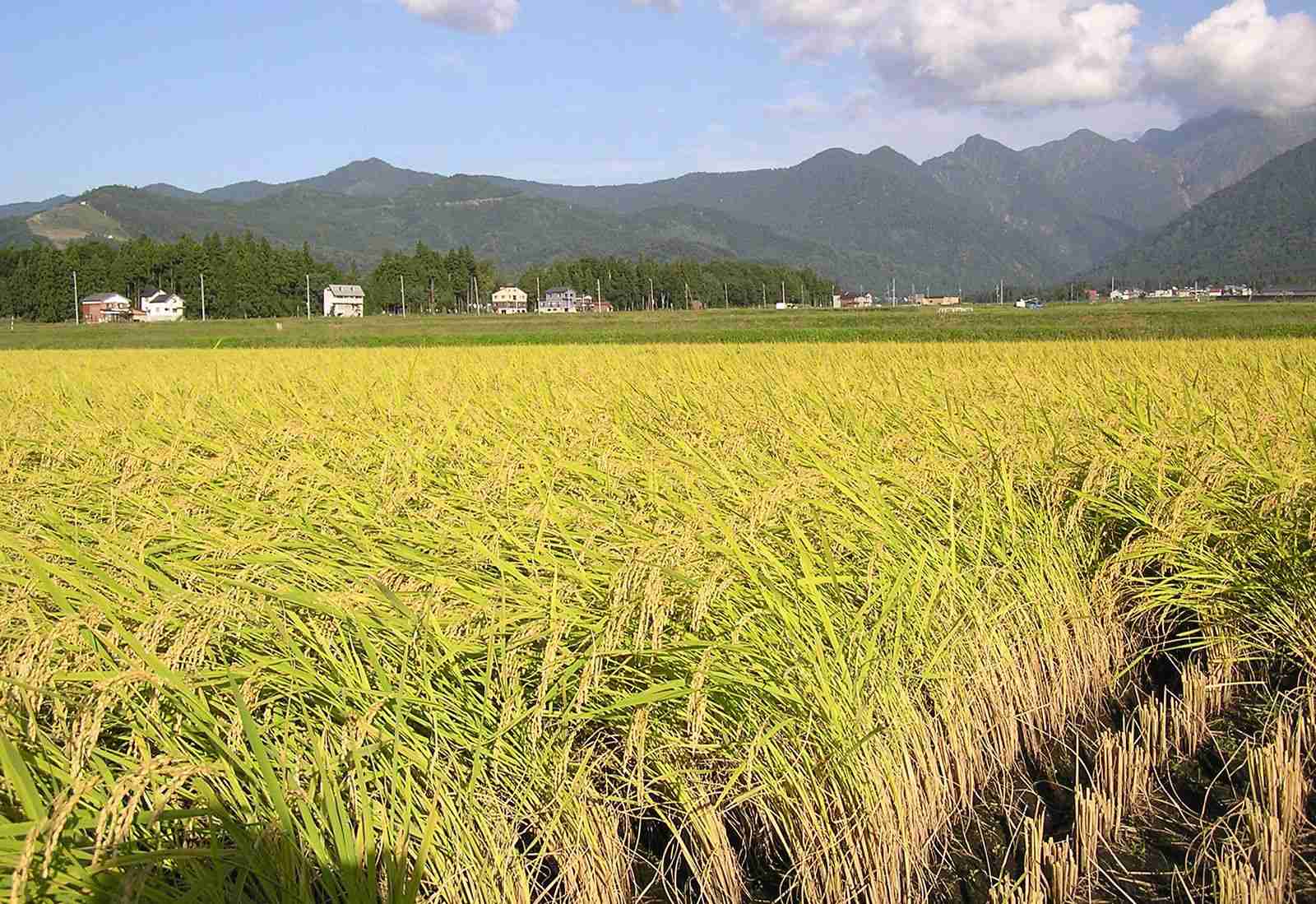
Understanding the Paddy Lifecycle from Field to Fork
The journey of paddy processing is a fascinating tale that begins as grains bursting forth from the earth, nurtured by the sun and the rain. Initially, paddy fields are prepared for planting, with farmers meticulously ensuring the right conditions for growth. Once sown, these fields undergo several critical stages, influenced by environmental factors such as soil health, water management, and pest control. Over approximately 3 to 6 months, rice plants transition from young seedlings to mature stalks ready for harvest, influenced by the growth stages listed below:
- Germination – Seeds absorb water and start to sprout.
- Tillering – The plant develops multiple stems, increasing its yield potential.
- Flowering – Flowers emerge and self-pollinate, leading to grain development.
- Ripening – Grains mature, changing from green to golden hues.
Once harvested, the paddy moves through a meticulously designed processing chain that transforms it into the rice we commonly enjoy in our meals. This sequence involves several key steps, with each process further enhancing the quality and safety of the rice. The stages are summarized in the following table:
| Processing Stage | Description |
|---|---|
| Drying | Reducing moisture content to preserve the grain. |
| Milling | Removing husks and bran to obtain white rice. |
| Polishing | Enhancing appearance and shelf-life of rice grains. |
After milling, rice may undergo further quality checks to ensure it meets culinary standards before it is packaged for distribution. This combination of natural growth and human innovation makes the paddy’s journey from field to fork not only efficient but also essential for feeding billions globally. Each stage is crucial, reflecting a harmony between agriculture and technology that ultimately connects the earth to our daily rice bowl.

Innovative Milling Techniques that Enhance Grain Quality
In the quest for superior grain quality, the milling industry has embraced cutting-edge techniques that not only preserve the nutritional integrity of rice but also elevate its aesthetic appeal. Advanced methods such as micronization, where grains are ground to extremely fine particles without excessive heat, help in maintaining the vital vitamins and minerals that are often lost in traditional milling processes. Furthermore, cold milling technology reduces the temperature during processing, mitigating the risk of oil oxidation and rancidity, thereby extending the shelf life of the product. By implementing these innovative techniques, millers can ensure that each grain retains its unique flavor and texture, providing consumers with a remarkable culinary experience.
Another groundbreaking approach that has emerged is the use of water polishing and enzymatic treatments, which enhance the grain’s appearance while improving its cooking quality. This method not only results in a glossy finish but also reduces the levels of broken rice—a common concern for both consumers and producers alike. Additionally, these processes can significantly lower the amounts of pesticides and contaminants, thereby contributing to a cleaner, safer product. By adopting these state-of-the-art milling technologies, the rice industry is not only meeting consumer demand but is also championing sustainability through reduced waste and energy consumption.
Sustainable Practices in Rice Processing for a Greener Future
As the global demand for rice continues to grow, the need for environmentally sustainable practices in processing has never been more critical. By adopting modern technologies and traditional wisdom, producers can minimize waste and reduce their carbon footprint. Key methods include:
- Water Conservation: Implementing efficient water management systems during milling reduces excess consumption and improves crop yield.
- Renewable Energy Sources: Utilizing solar and biomass energy for powering rice mills can drastically lower greenhouse gas emissions.
- Waste Utilization: By-products such as husks can be repurposed into biofuels or organic fertilizers, contributing to a circular economy.
Furthermore, the focus on eco-friendly packaging solutions is gaining traction in the industry. Brands are increasingly opting for biodegradable or recyclable materials, which not only appeal to environmentally conscious consumers but also help in cutting down plastic pollution. A comparison of conventional packaging versus sustainable alternatives highlights the benefits:
| Aspect | Conventional Packaging | Sustainable Packaging |
|---|---|---|
| Material | Plastic | Biodegradable Materials |
| Environmental Impact | High | Low |
| Consumer Appeal | Decreasing | Increasing |
Exploring the Economic Impact of Rice Bowl Production on Local Communities
The journey from paddy to rice bowl has profound implications for local communities, shaping their economic landscape in distinctive ways. Every year, vast fields of rice contribute significantly to both employment and income generation, offering vital opportunities for farmers and ancillary workers. The production cycle supports a range of businesses that flourish around the growing, processing, and selling of rice, including:
- Farm Equipment Suppliers – Providing the necessary tools, seeds, and fertilizers for effective rice cultivation.
- Processing Facilities – Converting harvested paddy into consumable rice, which creates numerous job opportunities.
- Distribution Networks – Enabling efficient transportation to local markets, boosting trade and commerce.
Moreover, the economic ripple effect of rice bowl production extends beyond mere earnings. Communities often witness improvements in their overall living standards as a result of increased food security and nutritional value associated with locally sourced rice. Additionally, as local farmers thrive, they frequently reinvest in their communities, leading to enhanced infrastructure and social services. This transformation can be illustrated in the following table showcasing key economic benefits:
| Economic Benefit | Description |
|---|---|
| Increased Employment | Jobs created in farming, processing, and selling rice. |
| Boosted Local Economy | Enhanced spending on goods and services in the community. |
| Improved Food Security | Stable access to affordable and nutritious rice. |
The Way Forward
As we conclude our exploration of the transformative journey from harvest to rice bowl, we gain a deeper appreciation for the intricate processes that breathe life into one of our most essential staples. Each grain of rice carries with it a story, woven from the soil where it was cultivated, the hands that nurtured it, and the technology that refined it. Understanding this journey not only enhances our meals but also connects us to the agricultural practices and cultural traditions that sustain communities worldwide. So, the next time you savor a warm bowl of rice, remember the labor, innovation, and dedication that have converged to bring that nourishment to your table. In every bite, a world of history and craftsmanship awaits—a testament to our enduring relationship with the land and the bounty it provides.




