
In the heart of verdant rice paddies, a transformative journey begins — one that takes humble grains and elevates them to the status of culinary staples and cultural treasures. “From Grain to Greatness: The Journey of Paddy Processing” delves into the intricate processes that turn harvested paddy into the polished grains we know and love. This exploration reveals not only the meticulous techniques employed by farmers and processors but also highlights the rich cultural heritage and economic significance tied to rice production. As we trace the path from the earth to our tables, we uncover the dedication and innovation that have shaped this age-old practice, illuminating the critical role that each step plays in enhancing the nutritional value, flavor, and accessibility of one of the world’s most important food sources. Join us on this enlightening journey through the stages of paddy processing, where tradition meets technology, and grain truly becomes greatness.
The Life Cycle of Paddy: Cultivation to Harvest
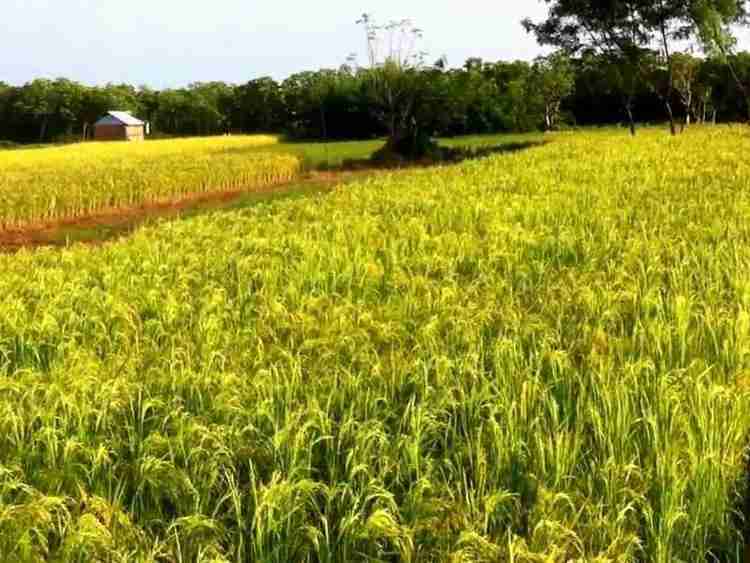
The journey of paddy from its humble beginnings to the bountiful harvest is nothing short of magical. The life cycle begins with seed selection, where farmers choose high-quality seeds that promise a robust yield. These seeds are then sown in well-prepared fields, typically flooded with water to create a paddy field. As the tender shoots emerge, irrigation and pest management become crucial. Weekly monitoring ensures that weeds don’t choke the young plants, while fertilizer application provides the essential nutrients they need for healthy growth.
As the plants mature, they enter the crucial stages of flowering and grain filling. During this time, farmers carefully manage water levels, ensuring the fields remain adequately flooded to support growth while preventing damage from excess moisture. Then comes the most awaited moment—the harvest. When the grains ripen and turn golden brown, it’s time to reap the rewards. Farmers use specialized machinery, such as a combine harvester, to efficiently gather the grains. After harvest, the paddy undergoes processing, where it is cleaned, dried, and hulled to produce the rice that graces our tables.
| Paddy Life Cycle Stage | Key Activities |
|---|---|
| Seed Selection | Choosing high-quality seeds |
| Sowing | Planting in prepared fields |
| Growth | Irrigation and pest control |
| Harvest | Reaping the grains with machinery |
| Processing | Cleansing, drying, and hulling |
Transforming Paddy: The Science of Milling and Processing
Paddy, the vibrant grain that plays a crucial role in global diets, embarks on an intricate journey from field to table through the art and science of milling and processing. The transformation begins with careful harvesting, where ripe grains are collected and subjected to meticulous post-harvest procedures to ensure quality. Once harvested, paddy undergoes drying, which is essential for reducing moisture content and preventing spoilage. The milled process typically follows these steps:
- Cleansing: Removing dirt, stones, and other impurities from the harvested paddy.
- Hulling: The removal of the hard outer husk to reveal the brown rice beneath.
- Milling: Further refining the rice, taking away the bran layer and leaving the white rice.
- Polishing: Enhancing the appearance of the grains for better marketability.
Each stage of milling employs a series of complex machinery and techniques that play a pivotal role in enhancing both the quality and nutritional content of rice. Critical factors influencing the outcome include grain variety, moisture levels, and milling methods. Understanding these elements helps millers optimize processes for maximum yield and quality. Below is a concise summary of essential milling parameters:
| Milling Parameter | Recommended Value |
|---|---|
| Moisture Content | 14% – 18% |
| Hulling Efficiency | 95%+ |
| Whiteness (L-value) | ≥ 50 |
By paying attention to these critical parameters, millers can ensure that the transformed grains not only retain their nutritional properties but also meet consumer expectations for quality and flavor. Ultimately, the science behind each milling process not only elevates the raw paddy into a staple culinary ingredient but also supports the livelihoods of countless farmers and communities worldwide.
Nutritional Value Unleashed: Enhancing Rice for Global Tables
The evolution of rice from a simple grain into a nutritional powerhouse is a fascinating journey that reflects both nature’s genius and human innovation. As we delve into the intricacies of paddy processing, it’s essential to recognize the significant enhancements in rice’s nutritional profile that have been achieved through various techniques. By implementing methods such as fortification, farmers and producers are able to introduce vital nutrients during the milling process. These enhancements can result in rice that not only serves as a staple food but also as a critical source of essential vitamins and minerals, catering to the diverse needs of global populations.
Modern agricultural practices now focus on maximizing the health benefits of rice through sustainable farming methods. Key factors that contribute to this nutritional elevation include:
- Biofortification: Integrating micronutrient-rich crops that naturally enhance iron, zinc, and vitamin A levels.
- Improved milling techniques: Utilizing technologies that minimize nutrient loss during processing.
- Organic farming: Reducing the use of chemicals to maintain a healthier ecosystem that produces more nutritious grains.
Furthermore, the global push for healthier dietary choices has led to the emergence of innovative rice varieties that cater to various health needs. The table below highlights some of these rice types:
| Rice Variety | Key Nutritional Benefit |
|---|---|
| Brown Rice | Rich in fiber and minerals |
| Red Rice | High in antioxidants |
| Black Rice | Loaded with anthocyanins |
Sustainable Practices in Paddy Processing: A Path to Future Resilience
In the face of climate change and the pressing demand for sustainable food production, paddy processing is undergoing a transformative shift towards eco-friendly practices. By adopting methods that minimize waste and harness renewable resources, the industry can significantly reduce its carbon footprint. Noteworthy strategies include:
- Water Conservation: Implementing modern irrigation techniques that optimize water usage and reduce runoff.
- Biomass Utilization: Using by-products of paddy processing, such as husks and straw, for bioenergy, thus closing the loop.
- Organic Alternatives: Transitioning to organic fertilizers and pest control to enhance soil health and protect biodiversity.
Furthermore, technology plays a pivotal role in promoting resilience within the paddy processing sector. Advancements in machinery are facilitating more efficient processing methods, which not only increase yield but also decrease energy consumption. Collaborative efforts among farmers, processors, and local communities are crucial, leading to initiatives such as:
- Training Programs: Providing education on sustainable methods to enhance productivity.
- Community Cooperative Models: Encouraging shared resources for processing that lower costs and improve sustainability.
- Certification Schemes: Implementing eco-labels that recognize and reward sustainable practices, fostering consumer awareness.
In Retrospect
the journey of paddy processing is a remarkable tale of transformation, bridging the gap between humble grains and the culinary masterpieces we cherish today. As we traced the path from the verdant fields where rice is cultivated to the intricate processes that bring it to our tables, we uncovered not just a method, but a rich tapestry of tradition, innovation, and sustainability. Each stage of this journey is a testament to human ingenuity and respect for nature, reminding us that every grain has its story. As we savor our next meal, let us appreciate the efforts behind each grain of rice, for it symbolizes the resilience of farmers, the artistry of processors, and the connections we share through food. From grain to greatness, the legacy of paddy processing continues to nourish not only our bodies but also our culture, weaving together threads of history and hope for generations to come.




