
From Field to Table: The Journey of Paddy Processing
In the quiet, sun-drenched fields where rice paddies sway gently with the breeze, a remarkable journey begins—one that resonates deeply with cultures around the globe. From the diligent hands of farmers who nurture the grains to the meticulous processes that transform harvested paddy into the staple food gracing our tables, the journey of paddy processing is a fascinating tale. It’s a story woven with tradition and innovation, where each stage of transformation—from husking and milling to packaging and distribution—plays a crucial role in delivering this cherished grain. As we explore this intricate process, we uncover not just the logistics behind one of the world’s most consumed foods, but also the stories of the people, practices, and technologies that breathe life into every bowl of rice. Join us as we delve into the journey of paddy processing, highlighting the delicate balance between nature and industry that ultimately brings nourishment to millions.
Cultivating Quality: The Farming Practices that Define Paddy Production
Paddy production relies heavily on meticulous farming practices that ensure the quality of the grains harvested. Farmers typically employ a range of techniques, which include:
- Water Management: Effective irrigation systems are crucial. Farmers use controlled flooding and drainage to maintain optimal water levels, which promotes healthy crop growth.
- Crop Rotation: To preserve soil fertility and minimize pests, alternation with legumes or other crops is practiced, enhancing the overall ecosystem.
- Organic Fertilization: Utilizing natural fertilizers such as compost and green manure enriches the soil without chemical additives, which can harm both crops and the environment.
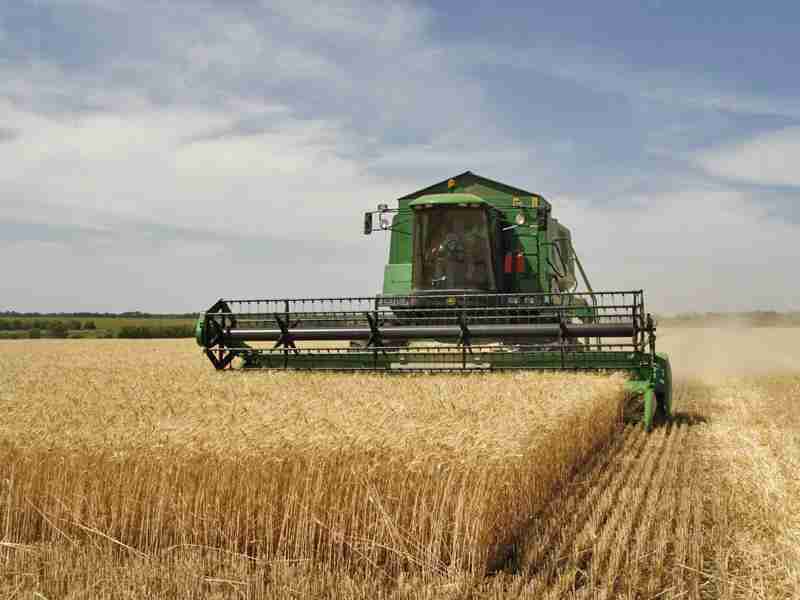
Harvesting paddy requires precision and timing to achieve the best results. The use of modern machinery has revolutionized this process, yet traditional methods remain in practice by many farmers who believe in preserving their cultural heritage. Key practices include:
- Manual Harvesting: While labor-intensive, manual harvesting allows farmers to select the finest grains and reduce damage to the plants.
- Post-Harvest Processing: Techniques such as drying, husking, and milling are vital to prepare paddy for market, ensuring that quality grains make it from the field to the consumer.
| Farming Practice | Benefits |
|---|---|
| Water Management | Ensures optimal growth and minimizes disease risk. |
| Crop Rotation | Enhances soil health and reduces pest infestations. |
| Manual Harvesting | Preserves grain quality and reduces damage. |
Harvesting Innovations: Techniques to Optimize Yield and Efficiency
In the pursuit of enhancing productivity and sustainability in paddy processing, farmers and agronomists alike are turning to a range of innovative techniques. These practices prioritize both yield and efficiency, transforming traditional methods into state-of-the-art processes. Among the key strategies being adopted are:
- Precision Agriculture: Utilizing GPS technology and IoT sensors, farmers can monitor soil health and crop conditions in real-time. This data-driven approach enables targeted interventions, ensuring optimal use of resources.
- Crop Rotation: Engaging in diverse planting strategies, such as alternating paddy with legumes, can improve soil fertility and break pest cycles, leading to healthier crops and a reduction in chemical inputs.
- Water Management Innovations: Implementing advanced irrigation systems like drip and sprinkler irrigation helps conserve water while promoting healthy crop growth, ideal in regions prone to drought.
Additionally, the role of technology in processing can’t be overlooked. Modern machinery not only speeds up food preparation but also minimizes wastage and enhances quality control. Some notable advances include:
| Processing Technology | Benefits |
|---|---|
| Automated Harvesters | Reducing labor costs and increasing harvesting efficiency. |
| De-husking Machines | Improving the quality of the rice and reducing breakage. |
| Quality Control Software | Ensuring consistency and grading of products for market readiness. |
embracing these cutting-edge methods fosters a resilient connection between farmers and the food supply chain, enabling a sustainable approach to feeding a growing global population.

Transformative Processes: Understanding Milling and Its Impact on Rice Quality
The milling of paddy serves as a crucial gateway in the transformation of raw grains into the polished rice that graces our tables. This intricate process involves several steps, each significantly influencing the final quality of rice. During milling, husks and bran layers are removed, which can either enhance or compromise the grain’s nutritional value. The selection of milling techniques and technology, ranging from traditional stone mills to modern automated systems, plays a pivotal role in determining rice quality. Key factors include:
- Degree of milling: The extent to which the grain is polished can affect flavor and nutritional retention.
- Moisture content: Proper drying techniques ensure that milled rice maintains its quality and longevity.
- Handling procedures: Gentle handling reduces grain breakage, preserving both aesthetic appeal and quality.
Moreover, the impact of milling extends beyond mere aesthetics; it also encompasses sensory attributes and shelf life. Proper milling can enhance the aroma, texture, and taste of rice, creating an elevated culinary experience. Nutritional components, particularly vitamins and minerals found in bran layers, may be diminished if not carefully managed during processing. The following table illustrates the comparative qualities of various milling methods:
| Milling Method | Quality Impact | Nutritional Retention |
|---|---|---|
| Traditional Stone Mill | Gentle smoothing, retains aroma | High |
| Modern Automated Mill | Uniformity, risk of over-polishing | Moderate |
| Parboiling Process | Improves texture and flavor | Very High |
Sustainable Practices: Recommendations for Eco-Friendly Paddy Processing
Embracing eco-friendly practices in paddy processing not only enhances the quality of the final product but also minimizes the environmental impact. Utilizing renewable energy sources is a significant step toward sustainability. Processing facilities can be equipped with solar panels or wind turbines to power operations, drastically cutting down on carbon emissions. Additionally, employing energy-efficient machinery can optimize resource usage, allowing for the same output with less energy. Facilities should also consider rainwater harvesting systems to recycle water used during processing, contributing to resource conservation.
Another important aspect of sustainable paddy processing is waste management. Implementing a circular economy model where by-products are repurposed can lead to reduced waste and increased profitability. For instance, husk can be converted into bioenergy or used as a substrate for mushroom cultivation. Furthermore, integrating organic certification into processing practices can attract eco-conscious consumers and enhance marketability. The following table highlights some key eco-friendly alternatives in the paddy processing industry:
| Traditional Method | Eco-Friendly Alternative |
|---|---|
| Fossil fuel generators | Solar panels |
| Water-intensive milling | Dry milling techniques |
| Husk disposal | Bioenergy production |
| Synthetic pesticides | Natural pest repellents |
Concluding Remarks
In tracing the journey from field to table, we uncover more than just the physical transformation of paddy into rice; we unveil a story of culture, commitment, and the intricate dance between nature and humanity. Each step along this pathway reveals the dedication of farmers nurturing the fields, the intricate methods of processing that preserve flavor and nutrition, and the culinary artistry that brings the final product to our dining tables.
As we take a moment to reflect on this journey, we are reminded of the invisible hands that contribute to our meals, connecting us with the land and the people who work tirelessly to ensure the grains of rice we enjoy are of the highest quality. Understanding this journey invites us to appreciate our food more mindfully, fostering a deeper connection to our culinary heritage.
So, the next time you savor a bowl of rice, let it serve as a delicious reminder of the extensive journey it has undertaken—an odyssey that links us to the farmers’ fields, the mills’ echoes, and the warm, welcoming glow of the kitchen table. Whether enjoyed in a simple bowl or a gourmet dish, rice embodies a legacy of tradition and innovation that continues to evolve, nourishing not just our bodies but also our communities and our planet. As we celebrate this remarkable journey, may we stay curious and committed to understanding the stories behind our food, one grain at a time.




