
From Field to Grain: The Journey of Paddy Processing
In the lush expanses of rice paddies, under the watchful gaze of sunlit skies, a humble grain embarks on a remarkable journey. From seeds sown in muddy fields to the gleaming grains found in our kitchens, the transformation of paddy is a narrative woven through time, culture, and technology. This article invites you to explore the intricate process of paddy processing, illuminating the stages that this staple undergoes—from harvest through milling to the final product that graces our tables. Each step is a testament to the labor of farmers, the ingenuity of machinery, and the delicate balance of nature and nurture. Join us as we delve into the world behind the grain, uncovering the meticulous efforts that bring this essential food from field to fork.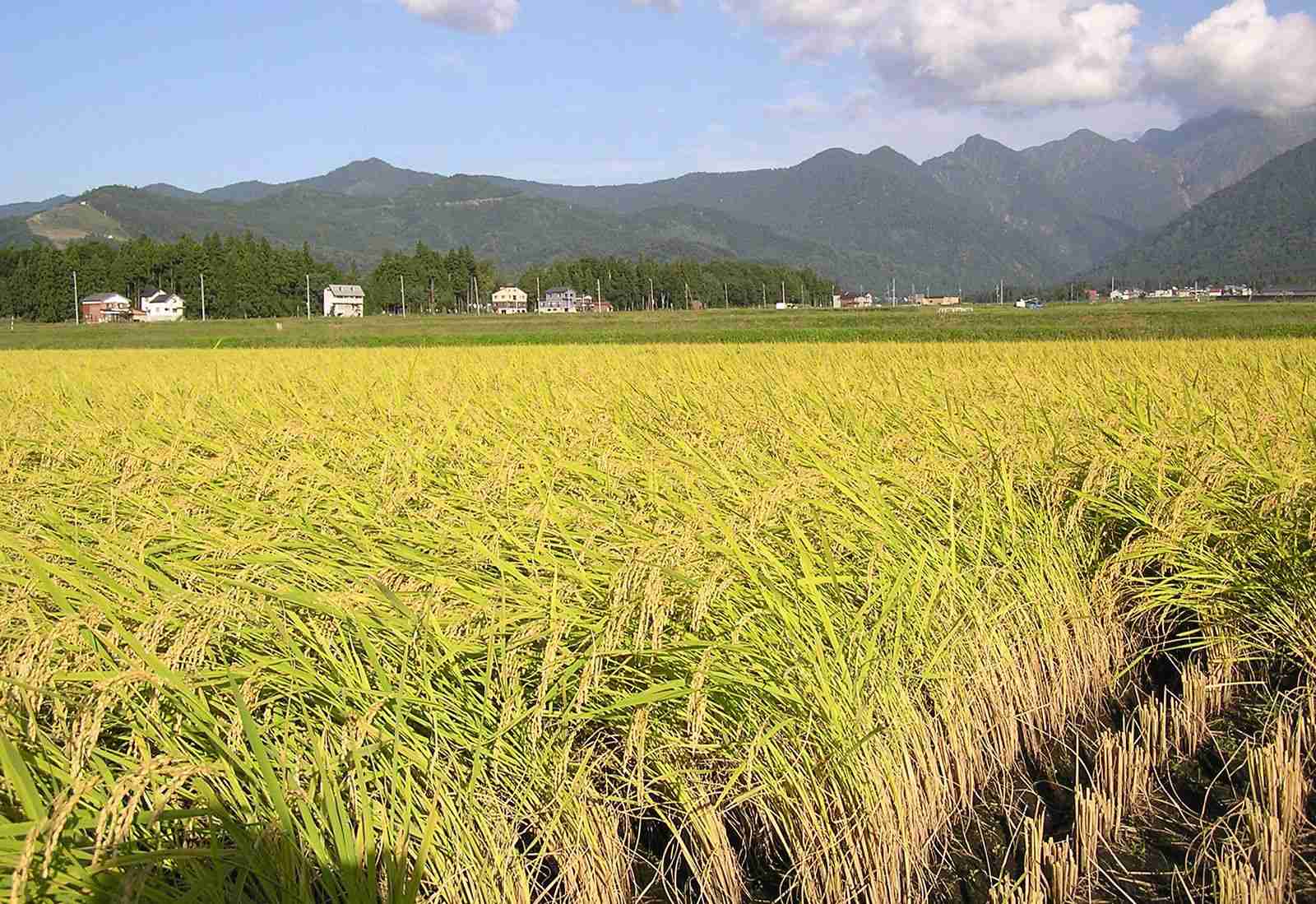
Understanding Paddy Cultivation Practices
Paddy cultivation is a multifaceted process that demands meticulous attention to various practices to ensure optimal yield and quality. Farmers typically start with the selection of appropriate seeds that are well-suited to the local climate and soil conditions. Before sowing, land preparation is critical, which may involve plowing, leveling the field, and managing water levels for inundation. Each of these steps is designed to create the best possible environment for young rice seedlings to thrive. Once the seedlings are ready, they are transplanted into the field, usually done by hand. This not only minimizes seed wastage but also allows farmers to choose the healthiest seedlings for planting.
The cultivation process extends beyond planting, as managing the growth of crops through practices such as weed control, fertilization, and pest management is vital. Farmers may employ both traditional methods and modern techniques, including the use of organic fertilizers or integrated pest management systems to maintain crop health. Water management also plays a pivotal role; intermittent flooding or draining ensures healthy root development. Once the grains reach maturity, they are harvested—a task that is often labor-intensive and celebrated as a communal effort. The entire cycle of paddy cultivation reveals the deep connection between farmers and their land, showcasing a blend of ancient wisdom and evolving practices.

The Science Behind Paddy Harvesting Techniques
The intricacies of paddy harvesting are deeply rooted in a blend of agricultural science and traditional practices, reflecting generations of innovation. Modern methods often integrate precision agriculture techniques, which leverage data-driven approaches for optimal yield. By utilizing GPS technology, farmers can design crop patterns that enhance sunlight exposure and minimize soil erosion. Additionally, the use of drones for monitoring plant health allows for quick identification of pests and diseases, ensuring timely interventions that safeguard the crop’s integrity. This scientific blend of technology not only boosts efficiency but also ensures that resources like water and fertilizers are utilized judiciously, leading to sustainable farming practices.
Moreover, the timing of the harvest is crucial and relies on various physiological indicators of the paddy plants. The ideal harvesting window is often determined by factors such as grain moisture content, weather conditions, and crop maturity rates. Farmers now lean on sophisticated tools to measure these parameters, allowing them to make informed decisions. Factors guiding the harvesting process can be summarized as follows:
- Grain Moisture Content: Ensuring it’s between 18-22% for optimal quality.
- Weather Patterns: Avoiding rainy seasons to reduce post-harvest losses.
- Pest Activity: Monitoring for signs of infestation to time the harvest effectively.
To further illustrate the efficiency variations based on methods, the table below compares traditional manual harvesting to mechanized harvesting techniques:
| Method | Time Required | Labor Cost | Yield Quality |
|---|---|---|---|
| Manual | High | High | Medium |
| Mechanized | Low | Low | High |
This comparison highlights the transformative impact of modern tools in enhancing both productivity and quality, paving the way for a more resilient agricultural sector. Understanding these scientific principles and incorporating them into practice not only ensures higher food security but also secures the livelihood of farmers worldwide.
Essential Steps in Milling and Processing
Processing paddy is an intricate journey that transforms the harvested crop into a consumable grain. The initial stage is drying, where freshly harvested paddy is exposed to sunlight or mechanical dryers to reduce moisture content. This step is crucial as excess moisture can lead to spoilage during storage. Following drying, the paddy undergoes cleaning, where foreign particles such as dirt, stones, and husks are removed. This ensures that the quality of the grain is upheld, preparing it for subsequent stages.
Next, the paddy enters the milling phase, which involves husking to remove the outer husk and then polishing to enhance the grain’s appearance and, in some cases, its shelf-life. The milling process can be broken down into various stages, such as dehulling and grading, which further refine the paddy into distinct categories based on size and quality. A simple overview of this process can be illustrated in the following table:
| Stage | Description |
|---|---|
| Drying | Reduces moisture content to prevent spoilage. |
| Cleaning | Removes impurities and foreign materials. |
| Husking | Separates the edible grain from the husk. |
| Polishing | Enhances grain appearance and shelf life. |
Promoting Sustainable Practices in Rice Production
Integrating eco-friendly methodologies into rice cultivation can significantly mitigate the environmental impact of paddy production. By adopting crop rotation and intercropping, farmers can enhance biodiversity, improve soil health, and reduce dependency on chemical fertilizers. Utilizing cover crops can also help in suppressing weeds, thus decreasing herbicide usage. The following sustainable practices are essential in cultivating rice with minimal ecological footprint:
- Water Management: Employing techniques such as alternate wetting and drying (AWD) to conserve water.
- Organic Fertilizers: Utilizing natural compost and green manure instead of synthetic fertilizers to enrich the soil.
- Integrated Pest Management (IPM): Combining biological control methods with minimal pesticide usage to manage pests.
In addition to these practices, empowering farmers through education and access to sustainable farming resources plays a pivotal role in promoting eco-conscious production. Organizations and governments need to collaborate on initiatives that provide training on sustainable agronomy, and financial support to transition to greener practices. The following table illustrates key benefits of adopting sustainable practices in rice production:
| Benefit | Description |
|---|---|
| Soil Health | Improved nutrient retention and organic matter content. |
| Water Conservation | Reduced water usage through efficient irrigation practices. |
| Cost Reduction | Lower expenses on chemical inputs and water resources. |
| Biodiversity | Enhanced ecosystem resilience that supports wildlife. |
Closing Remarks
As we draw the curtain on our exploration of the journey from field to grain, it becomes evident that the story of paddy processing is one woven with dedication, precision, and an age-old connection to the land. Each stage, from the verdant paddies caressed by the sun to the rhythmic hum of modern milling, reveals the intricate dance between tradition and technology.
The transformation of paddy into the staple grains that nourish millions across the globe is not merely an agricultural feat; it is a testament to the enduring spirit of farmers, millers, and all those who partake in this vital process. By understanding the complexities and nuances of paddy processing, we gain a deeper appreciation for the food on our plates and the journey it undertook to get there.
Indeed, the journey does not end here; it continues in every household, as families gather around meals enriched by the labor of many. As you consider the next bowl of rice before you, take a moment to reflect on the remarkable path that brought it to your table—a journey marked by resilience, innovation, and a timeless bond with the earth.




