
From Field to Fork: Inside a Modern Paddy Processing Factory
In a world where the journey of our food often remains unseen, the story of rice is one that intertwines agriculture, technology, and sustenance. As a staple food for more than half of the globe’s population, paddy rice holds a place of significance on our plates, yet its path from the lush green fields to the dining table is a tale worth telling. Welcome to the modern paddy processing factory, where age-old traditions meet innovative techniques, and where rice is transformed from golden grains nestled in their husks to the polished pearls that grace our tables. This article invites you to embark on a journey through the fascinating processes and meticulous care that ensures the quality and safety of this beloved grain, shedding light on the hidden intricacies of an industry dedicated not just to feeding lives, but to nourishing cultures around the world. Join us as we explore the systems in place that uphold the journey of rice, revealing the harmony of nature and technology that makes every meal possible.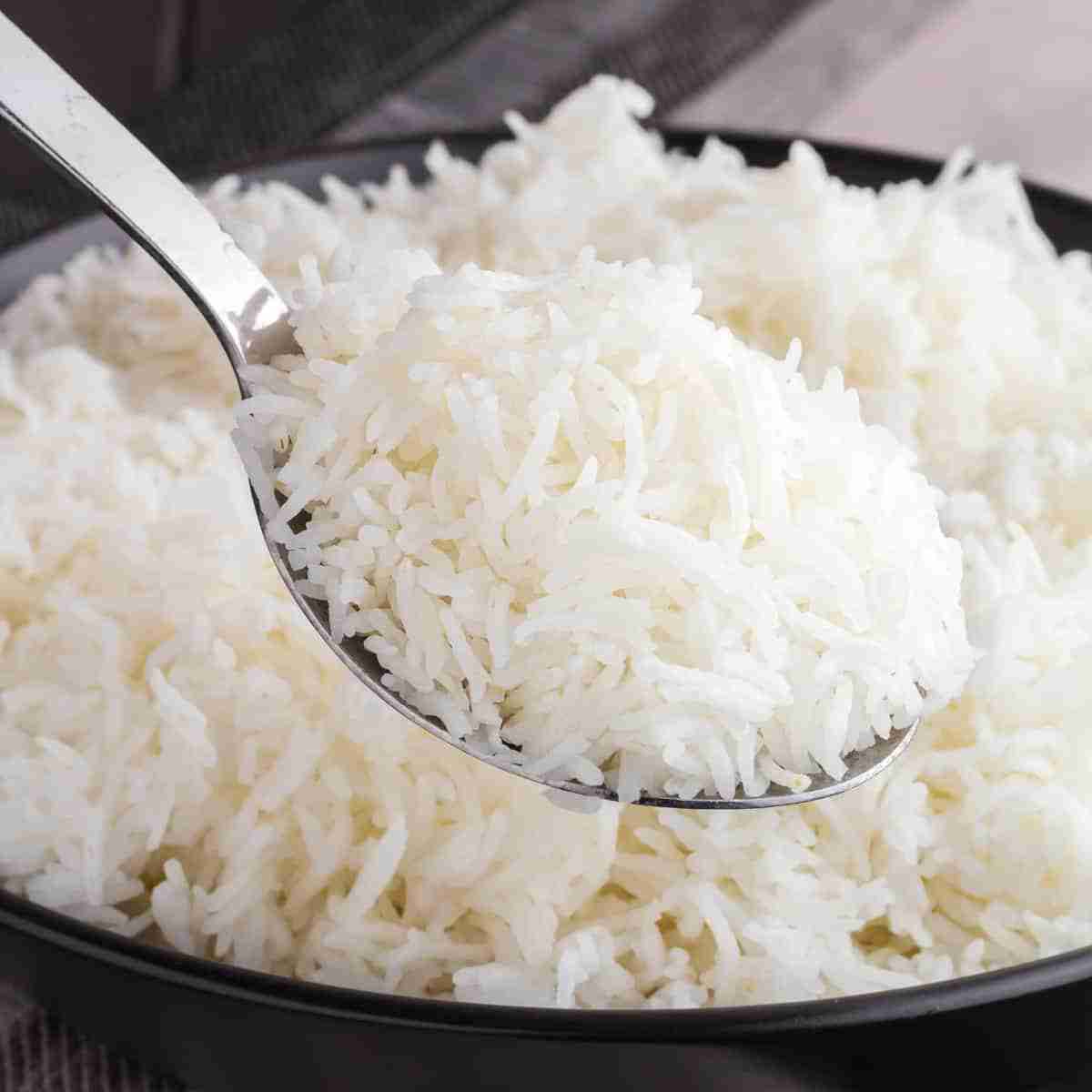
Exploring the Journey of Rice: Cultivation to Harvest
Rice cultivation begins with the meticulous preparation of paddy fields, which are typically flooded to create ideal growing conditions for this versatile grain. Farmers carefully select high-quality seeds, ensuring they are well-suited for the local climate and soil conditions. Transplanting the seedlings involves a rhythmic dance of labor, where workers place young plants into the gently submerged earth, promoting their growth in a supportive aquatic environment. Throughout the growing season, fields need constant attention, from managing water levels to applying fertilizers, all while vigilantly guarding against pests and disease.
As the time for harvest approaches, the landscape transforms, showcasing golden waves of grain ready for collection. The use of modern machinery has revolutionized this stage, allowing quick and efficient harvesting while minimizing losses. Once harvested, rice grains undergo a series of processes in a paddy processing factory. Here, the grains are cleaned, hulled, and polished, ensuring only the finest quality makes it to market. The journey from the paddy field to the shelf includes quality checks and packaging that meet strict safety standards, maintaining the nutritional profile and flavor of the rice that eventually reaches our dinner tables.
| Stage | Process |
|---|---|
| Cultivation | Preparing fields, selecting seeds, transplanting seedlings |
| Growing | Managing water levels, applying fertilizers, protecting from pests |
| Harvesting | Using machinery to efficiently gather mature rice |
| Processing | Cleaning, hulling, polishing, quality checks |
| Packaging | Preparing for market, ensuring safety and quality |

The Science of Milling: Techniques for Optimal Grain Quality
The journey from paddy to polished rice is a delicate one, influenced by a plethora of milling techniques designed to enhance quality while preserving the inherent characteristics of the grain. To achieve optimal grain quality, a combination of several methods is employed, ensuring that every grain retains its nutritional value and visual appeal. Among the most critical techniques are:
- Hulling: This initial process removes the outer husk from the paddy, transforming it into brown rice.
- Whitening: Utilizing abrasive surfaces, this method eliminates the bran layer to produce white rice while causing minimal breakage.
- Polishing: A finishing touch that enhances the visual quality, making the rice gleam, improving its marketability.
- Grading: After milling, grains are sorted by size and quality to ensure consistency in packaging.
Quality control plays a pivotal role during these stages to assess the effectiveness of the milling processes. Utilizing advanced machinery equipped with sensors and software, millers can monitor the consistency of grain quality in real time. The effectiveness of each technique can influence various aspects of the final product, including texture, taste, and nutritional content. Below is a simple table illustrating how different milling techniques affect grain quality:
| Technique | Effect on Grain Quality |
|---|---|
| Hulling | Removes husk; retains moisture |
| Whitening | Enhances appearance; may reduce fiber |
| Polishing | Improves shine; slightly reduces nutritional value |
| Grading | Ensures uniformity; reduces consumer rejection |

Sustainable Practices in Paddy Processing: Minimizing Environmental Impact
To reduce the environmental footprint of paddy processing, modern factories are adopting a variety of innovative practices that prioritize sustainability. Water conservation is a top priority, and many facilities are utilizing closed-loop systems where wastewater is treated and reused, minimizing discharge into local waterways. Additionally, advanced drying techniques are employed to lower energy consumption, converting what was once a labor-intensive process into a more efficient one. Other environmentally-friendly measures include:
- Solar Energy Utilization: Factories are increasingly harnessing solar power to run machinery, decreasing reliance on fossil fuels.
- Biomass Energy: Waste byproducts from the processing such as husks are converted into biomass energy, further reducing dependency on non-renewable energy sources.
- Organic Treatment Chemicals: Environmentally safe chemicals and treatments are used to ensure that the processing stages do not harm the ecosystem.
Furthermore, sustainable practices extend to packaging and logistics within these facilities. Many processing plants are opting for biodegradable or recyclable materials for packaging rice, thereby cutting down on plastic waste. They are also reevaluating transportation methods, with a focus on optimizing routes and using fuel-efficient vehicles to minimize carbon emissions during distribution. A dedicated effort towards community engagement and education about sustainability enhances the overall impact of these initiatives. The following table illustrates the key sustainable practices adopted by modern paddy processing factories:
| Practice | Description | Benefit |
|---|---|---|
| Water Recycling | Closed-loop systems that reuse wastewater | Reduces water pollution and scarcity |
| Solar Power | Utilizing solar panels to power operations | Reduces reliance on fossil fuels |
| Biomass Utilization | Converting waste into energy | Minimizes waste and enhances energy efficiency |
| Sustainable Packaging | Using biodegradable materials for packaging | Reduces plastic waste in the environment |
Future Trends in Rice Production: Innovations Shaping the Industry
The rice production industry is on the brink of a revolutionary transformation driven by cutting-edge innovations. Emerging technologies such as precision agriculture and artificial intelligence are enabling farmers to utilize data analytics for optimizing crop yields. Drones equipped with advanced sensors are increasingly common in monitoring crop health, allowing for timely interventions that minimize losses. This shift towards data-driven decision-making not only enhances productivity but also reduces environmental impact by promoting sustainable farming practices. Other innovations, including biotechnology, are paving the way for the development of drought-resistant and disease-resistant rice varieties, safeguarding food security in an ever-changing climate.
In the paddy processing domain, automation and robotics are becoming increasingly instrumental in enhancing efficiency and consistency. Smart milling systems leverage the Internet of Things (IoT) to monitor and regulate the processing stages, ensuring that the rice transported from field to fork maintains its quality. The following table outlines some innovative technologies being integrated into modern paddy processing factories:
| Technology | Function |
|---|---|
| Drones | Crop monitoring and health assessment |
| Smart Milling Systems | Automated and precise processing |
| Blockchain | Traceability and supply chain transparency |
| AI Predictive Analytics | Yield forecasting and resource allocation |
As these technologies blend seamlessly into the rice production landscape, they are not only improving operational efficiency but also ensuring that end consumers benefit from higher quality products. With the integration of sustainability-focused practices, the industry is poised to meet the challenges of growing global demand, making rice production not only smarter but also more responsible. This future-focused evolution represents a significant leap from conventional farming to a more innovative, technology-led approach across the rice supply chain.
The Way Forward
As we draw back the curtain on the intricate journey from field to fork, it’s clear that the modern paddy processing factory is more than just a hub of machinery and labor; it is a vital bridge connecting the efforts of farmers with the dining tables of consumers. Each grain of rice, transformed through a meticulous process of cultivation, harvesting, and refinement, tells a story rich in tradition and innovation.
In exploring the inner workings of these factories, we gain a deeper appreciation for the science and skill that elevates a humble crop into a beloved staple of diets around the globe. From the rhythmic hum of equipment to the careful hands that oversee each stage, every aspect of processing is a testament to the commitment to quality and sustainability.
As we savor our next bowl of rice, let us remember the journey it undertook — the fields where it flourished, the workers who toiled, and the technologies that enhanced its quality. By understanding this ecosystem, we not only honor the labor behind our food but also nurture a greater respect for the complex interplay of agriculture and industry in feeding the world. The next time you enjoy a meal, consider the collective effort that brought it from the paddy to your plate — a journey that, though often overlooked, is foundational to our daily sustenance.




