
Behind the Grains: A Journey Through Paddy Processing
Nestled within lush green fields, where the sun dances upon swaying stalks, rice—one of the world’s most vital staples—begins its journey from humble paddy to pantry. But what occurs in the shadows of the paddy fields, between the harvest and the moment this irreplaceable grain graces our tables? The process that transforms golden sheaves into polished grains is a captivating blend of tradition, technology, and tireless labor. In “Behind the Grains: A Journey Through Paddy Processing,” we invite you to explore the intricate steps involved in this age-old craft. From the rhythmic clattering of machinery in modern mills to the age-old practices of hand-threshing and sun-drying, join us as we uncover the fascinating world of paddy processing—an unseen yet essential journey that not only shapes our diets but also reflects the cultural tapestry of communities around the globe.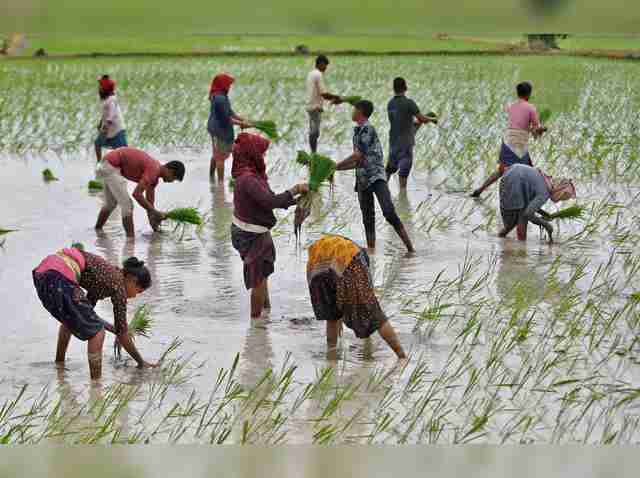
Understanding Paddy Cultivation Practices
Paddy cultivation is an intricate dance between nature’s elements and human ingenuity. Farmers begin with selecting the right variety of paddy seeds tailored to their region’s climate and soil conditions, ensuring a robust start for the crop. Prior to sowing, the fields are carefully prepared through methods such as land leveling and ploughing, which enhance water retention and nutrient distribution. Farmers often adopt various planting techniques, including transplanting and direct seeding, each offering unique advantages depending on local practices. Once the seedlings establish themselves, consistent water management becomes pivotal, as controlled flooding promotes optimal growth while mitigating pest damage.
As the paddy plants mature, fertilization plays a crucial role in ensuring a bountiful harvest. Farmers apply a balanced regimen of nutrients, often utilizing organic compost alongside chemical fertilizers to enrich the soil without harming the delicate ecosystem. The timing of irrigation, often using traditional methods like check basins or more modern drip systems, maximizes efficiency in water usage. As harvest time approaches, farmers carefully monitor the moisture content in the grains, aiming for a specific level to guarantee the rice’s quality and longevity. The culmination of these practices underscores the dedication and knowledge that go into transforming simple seeds into the grains that nourish millions around the world.

The Science of Milling and the Transformation of Rice
The journey from paddy to polished rice is a marvel of engineering and biology that transforms a simple grain into a staple food. Milling is the critical process that separates the husk from the grain, and it involves several stages that ensure optimal quality and yield. The initial phase, known as threshing, removes the hull, while the husking stage utilizes mechanical pressure to access the rice grains. During these processes, precision is paramount; too little pressure may leave husks intact, while too much could damage the fragile grains. Once the husk is removed, the next steps—milling and polishing—refine the grains further, stripping away the bran layer to expose the starchy endosperm, resulting in white rice.
During milling, rice undergoes a metamorphosis powered by science and technology. It is here that quality control comes into play, with various methods employed to test for moisture content, grain quality, and nutritional value. The advent of modern milling machines has revolutionized the process, enabling mills to enhance efficiency and maintain consistency. Additionally, the advancement in post-milling treatments, such as fortification with vitamins and minerals, has paved the way for improved nutrition in rice consumption. A brief overview of the main stages of processing illustrates this fascinating journey:
| Processing Stage | Description |
|---|---|
| Threshing | Separation of grain from the stalk. |
| Husking | Removal of the outer husk using mechanical processes. |
| Milling | Grinding the rice to remove the bran layer. |
| Polishing | Enhancing the appearance and removing remaining bran. |
| Fortification | Adding vitamins and minerals for nutritional benefits. |
In this intricate dance of machines and grains, the science of milling not only elevates rice from its humble beginnings but also enriches the dietary fabric of communities globally. This transformation is a beautiful testament to the intersection of tradition and technology, where the simple act of processing paddy reverberates through economies, cultures, and ultimately, our plates.
Quality Control: Ensuring Standards in Paddy Processing
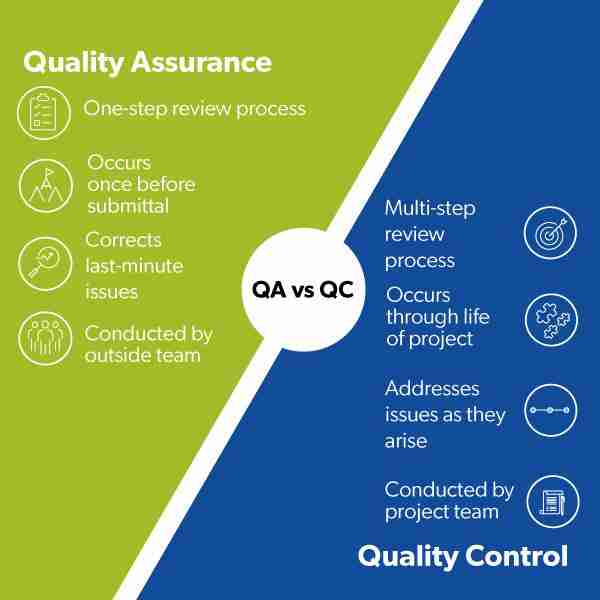
In the intricate journey from paddy fields to the dinner table, quality control plays a pivotal role in maintaining the integrity and safety of processed grains. This essential phase encompasses a series of checkpoints designed to ensure only the best quality rice reaches consumers. Through rigorous testing at various stages, including moisture content assessment, impurity analysis, and overall appearance inspection, every kernel is meticulously examined. Key practices employed in this stage include:
- Visual Checks: Inspecting the physical appearance for color and size consistency.
- Laboratory Testing: Performing chemical analyses for pesticide residues and other contaminants.
- Grading Standards: Classifying the rice according to established grades, ensuring uniform quality.
Additionally, implementing a robust feedback loop is critical to refining processing methods and enhancing product quality. By utilizing data analytics, processors can identify trends and potential areas for improvement, allowing them to respond proactively to quality issues. A dedicated quality assurance team often relies on scorecards and checklists to ensure compliance with both local and international standards. The table below highlights some key quality metrics that are monitored throughout the processing journey:
| Quality Metric | Description | Ideal Value |
|---|---|---|
| Moisture Content | Percentage of water contained in the rice | 12%-14% |
| Broken Rice Percentage | Fraction of rice kernels that are broken | Less than 5% |
| Pesticide Residue | Level of chemical residues from treatment | Zero detectable residues |
Sustainable Approaches to Optimize Paddy Processing Efficiency
As the world seeks innovative ways to harmonize agricultural practices with environmental sustainability, the paddy processing industry stands at the forefront of this transformation. Implementing energy-efficient technologies is a key component. Solar drying systems for paddy can reduce reliance on fossil fuels, while biomass boilers utilize agricultural by-products, contributing to a closed-loop energy system. Moreover, water recycling systems not only minimize water usage but also enhance the quality of the final rice product. Furthermore, the adoption of smart technologies such as IoT sensors can facilitate real-time monitoring of paddy condition and processing parameters, which effectively reduces waste and improves overall efficiency.
Another vital aspect lies in the community-driven approaches that engage local farmers and stakeholders. By forming cooperatives, communities can leverage collective resources to invest in modern machinery and sustainable practices. Training programs aimed at educating farmers about efficient paddy cultivation and processing methods further amplify these efforts. In addition, the establishment of certification systems can promote the adoption of best practices by providing assurance to consumers regarding the sustainability of their rice. Here’s a table illustrating some sustainable practices and their potential impacts:
| Sustainable Practice | Potential Impact |
|---|---|
| Solar Drying | Reduces energy costs |
| Water Recycling | Conserves fresh water |
| Biomass Utilization | Minimizes waste |
| IoT Monitoring | Optimizes resource usage |
In Summary
As we conclude our exploration of paddy processing, we emerge not just with an understanding of the intricate steps involved—from harvesting to milling—but also with a newfound appreciation for the journey that grains undertake before reaching our tables. Each part of the process, whether it’s the rhythmic sound of a harvester in the fields or the precise machinery in a milling plant, tells a story of diligence, technology, and tradition.
In the tapestry of food production, the transformation of paddy into rice is a vital thread that supports communities and cultures worldwide. Understanding this journey illuminates the labor and innovation that underpin our daily nourishment. So, as we go about our lives, the next time we sit down to a steaming bowl of rice, let’s take a moment to reflect on the hands, the machines, and the ecosystems that have made this staple possible.
The story of paddy processing is not just about grains; it’s about connectivity—between the past and the present, the land and the people, the fields and our kitchens. every grain carries with it a journey worth honoring, reminding us that behind the simplest of meals lies a rich narrative, waiting to be told.




