
In the ever-evolving landscape of agriculture, where innovation meets tradition, the combine mini rice mill emerges as a beacon of efficiency and sustainability. As the world embraces modern solutions to meet the rising demand for food production, these compact yet powerful machines stand at the forefront, revolutionizing the way rice is processed and cultivated. This article delves into the myriad benefits of combine mini rice mills, exploring their role in empowering smallholders, enhancing productivity, and fostering economic growth in rural communities. By unveiling the capabilities of this cutting-edge technology, we aim to illuminate a path toward a more productive and sustainable future in rice farming. Join us as we explore how these miniature powerhouses are changing the face of agricultural practices, one grain at a time.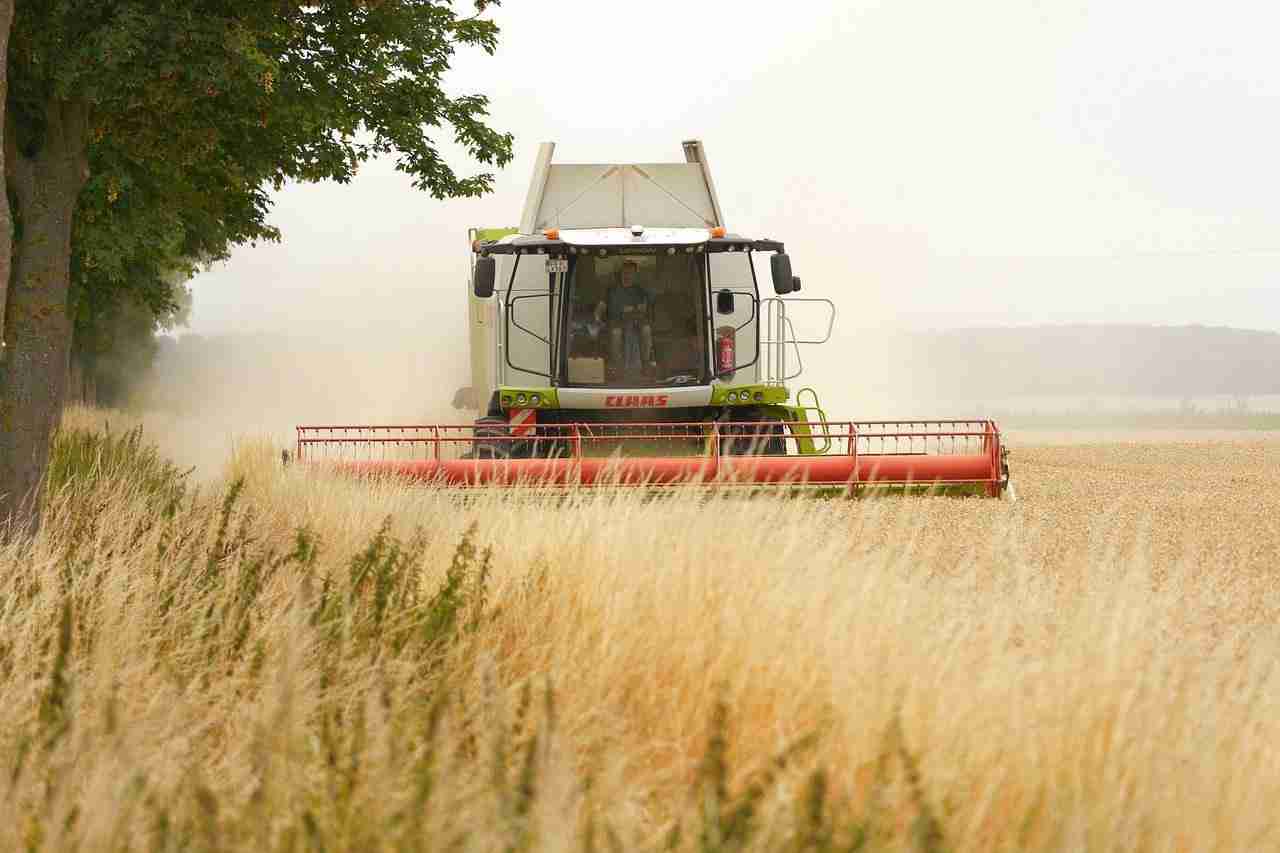
Understanding the Versatility of Combine Mini Rice Mills in Modern Agriculture
In the ever-evolving landscape of agriculture, the combine mini rice mills have emerged as a game-changing innovation, redefining traditional rice cultivation and processing methods. These compact machines are designed to combine various functions, such as harvesting, threshing, and milling, into a single streamlined process. This multifunctionality not only reduces the labor demands typically associated with rice farming but also significantly enhances productivity and efficiency. Farmers now benefit from the ability to process rice more quickly, minimizing the time between harvesting and milling, which is crucial for maintaining the grain’s quality.
The adaptability of these mini rice mills makes them suitable for a variety of farming contexts—from smallholdings to larger, commercial agricultural operations. Key advantages include:
- Portability: Easy to transport, allowing farmers to utilize them in different locations.
- Cost-efficiency: Lower operational costs due to reduced labor and time in processing.
- Energy-efficient: Consumes less power compared to larger machines.
- Diverse Applications: Capable of processing different rice varieties and even other grains.
To illustrate their impact, consider the following table that outlines the performance of traditional milling versus combine mini rice mills:
| Aspect | Traditional Milling | Combine Mini Rice Mills |
|---|---|---|
| Processing Time | 2-4 hours | 30-60 minutes |
| Labor Required | 3-5 people | 1-2 people |
| Energy Consumption | High | Low |
The combination of advanced technology and user-friendly design makes these mills an essential asset for modern farmers. With the ongoing challenges posed by climate change, resource limitations, and shifting market demands, harnessing the capabilities of combine mini rice mills can significantly enhance food security and contribute to sustainable agricultural practices.

Exploring the Technological Advancements Behind mini rice mill Efficiency
As the agriculture sector embraces innovation, the integration of advanced technologies into the design of mini rice mills has become a game-changer for efficient rice processing. These compact mills leverage cutting-edge features that significantly enhance productivity and throughput. Key advancements include:
- Automated Control Systems: These systems optimize the milling process by adjusting parameters in real-time, ensuring consistent quality and reduced waste.
- Energy-Efficient Motors: Designed to minimize energy consumption, these motors allow for prolonged operation without the hefty electricity bills.
- Precision Milling Techniques: Incorporating sophisticated technology allows for better dehusking and polishing, resulting in higher-quality rice output.
Furthermore, the incorporation of smart sensors and IoT technology provides invaluable data analytics at each stage of production. This data allows farmers and mill operators to monitor performance metrics, leading to informed decisions regarding maintenance and resource allocation. A comparative analysis of traditional versus modern mini rice mills highlights the disparity:
| Feature | Traditional Mills | Modern Mini Rice Mills |
|---|---|---|
| Energy Consumption | Higher | Lower |
| Milling Efficiency | Moderate | High |
| Output Quality | Varies | Consistent |
| Maintenance Needs | Frequent | Minimized |
Assessing the Economic Benefits of Investing in Combine Mini Rice Mills
Investing in combine mini rice mills offers a multitude of economic advantages, particularly for farmers and agricultural entrepreneurs looking to streamline their operations. These modern milling solutions enable users to reduce production costs significantly by minimizing labor and energy expenses while maximizing efficiency. The benefits include:
- Higher Profit Margins: By processing rice more efficiently, farmers can retain a larger share of the profits from their harvests.
- Reduced Waste: With advanced technology, these mills optimize the milling process, leading to decreased grain waste during processing.
- Increased Accessibility: Farmers can process their own rice, fostering self-sufficiency and reducing dependence on third-party milling services.
Furthermore, the economic ripple effect extends beyond individual farmers; entire communities can benefit from the introduction of these mills. For instance, the establishment of mini rice mills can create job opportunities in various sectors, including maintenance, retail, and distribution. The following table illustrates how these mills can impact local economies:
| Impact Area | Potential Benefits |
|---|---|
| Employment | Creation of jobs related to milling operations and maintenance. |
| Investment | Attracting local investors to support agricultural innovation. |
| Market Access | Improved access to markets for locally produced rice. |
Practical Tips for Choosing and Maintaining Your mini rice mill for Longevity
Investing in a mini rice mill can streamline your rice processing needs, but choosing the right one requires careful consideration. Start by assessing your production requirements; understanding the volume of rice you plan to mill will guide you in selecting a model with the appropriate capacity. Look for features such as built-in husking and milling functions, as these can save you time and increase efficiency. Additionally, prioritize energy-efficient models to help minimize operational costs. Visit local retailers or online marketplaces to compare different brands and read reviews. This way, you can identify which mills are favored by other users for their durability and performance.
Once you’ve selected your mini rice mill, maintaining it properly will ensure that it serves you well for years to come. Establish a routine maintenance schedule that includes regular cleaning, lubrication of moving parts, and inspection of wear components. Keeping the mill clean helps to avoid cross-contamination between batches and ensures consistent quality. Moreover, always refer to the manufacturer’s guidelines regarding specific parts that need replacement, such as roller stones and screens. Here’s a simple maintenance checklist to follow:
| Maintenance Task | Frequency |
|---|---|
| Clean the exterior | Daily |
| Inspect bearings and belts | Weekly |
| Replace worn parts | Monthly |
| Lubricate moving parts | Every 3 months |
The Way Forward
In an era where efficiency and sustainability are paramount, Combine Mini Rice Mills stand out as a beacon of innovation in the agricultural landscape. As we’ve explored, these compact powerhouses not only enhance the quality and accessibility of rice processing but also empower farmers and entrepreneurs alike. By embracing such modern solutions, we are paving the way for a more resilient and prosperous future in agriculture.
As we conclude our journey through the myriad advantages of Combine Mini Rice Mills, it’s clear that their impact goes beyond mere machinery. They serve as a testament to human ingenuity, showcasing how technology can harmoniously align with traditional practices to foster growth and development. Whether you’re a smallholder farmer looking to optimize your production or an industry stakeholder navigating the complexities of grain processing, the adoption of these innovative tools can unlock new possibilities.
The future of rice milling is here, and with it comes the promise of a more dynamic, sustainable agricultural system. As we move forward, let us continue to explore the intersection of tradition and technology, ensuring that the power of these mini mills is harnessed to uplift communities and nourish generations to come.




