
In the heart of rural landscapes, where the sun rises gently over golden fields, a quiet revolution is underway—one that promises to transform the lives of smallholder farmers and redefine agricultural practices. Welcome to the era of the mini rice mill, a compact yet powerful tool that is democratizing rice processing and unleashing the latent potential of communities across the globe. As traditional milling methods slowly give way to this innovative approach, farmers are not just harvesting crops; they are cultivating opportunities, enhancing livelihoods, and nurturing sustainability. In this article, we will explore the rise of the mini rice mill revolution, examining its impact on agriculture, economy, and food security, and uncovering how these small machines are making a monumental difference in the quest for a more prosperous future. Join us as we delve into a world where simplicity meets ingenuity, and discover how unlocking potential is helping to reshape the fabric of rural life.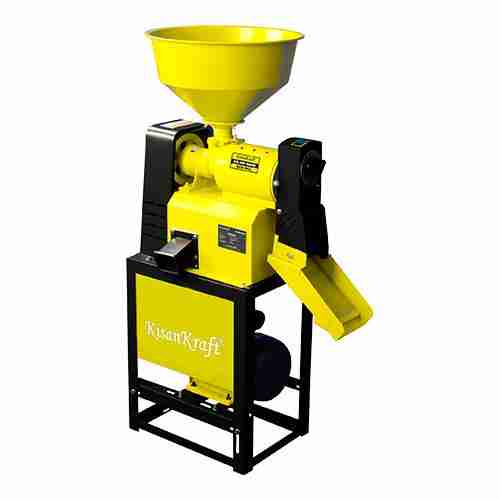
The Emergence of Mini Rice Mills and Their Economic Impact
The rise of mini rice mills marks a transformative chapter in the rural agricultural landscape, birthing a wave of economic opportunities for smallholder farmers. Unlike traditional large-scale rice milling operations, these compact mills offer several advantages. They are affordable in terms of initial investment and operational costs, making them accessible to local entrepreneurs. Additionally, mini rice mills promote value addition by allowing farmers to process their own rice, thus retaining more profit within local communities. This shift not only boosts individual incomes but also fosters a sense of entrepreneurship among rural inhabitants, allowing them to become small-scale business owners rather than merely relying on agricultural labor.
The economic impact of mini rice mills extends beyond mere profits; they play a crucial role in enhancing local food security and sustainability. By minimizing the distance rice needs to travel from field to consumer, these mills reduce transportation costs and spoilage, ensuring that fresher products reach the market. Furthermore, as these mills often operate on sustainable practices, they encourage the utilization of environmentally friendly methods. Notably, community engagement has been a focal point in the establishment of these mills, with many initiatives designed to train local residents on operational management and maintenance. This collective investment cultivates a resilient rural economy and strengthens community bonds through shared goals.

Innovative Technology and Sustainable Practices in Modern Milling
The advent of mini rice milling technology is transforming traditional practices into modern, sustainable operations. By integrating innovative machinery, these compact mills not only optimize production efficiency but also minimize energy consumption. This is crucial in a world increasingly focused on reducing environmental impacts. Features of these machines include:
- Energy-efficient designs that use less electricity.
- Compact footprints that require less space and lower installation costs.
- Automated processes that reduce labor costs and improve precision.
- Environmentally friendly materials used in construction and operation.
Moreover, these mills often incorporate sustainable practices such as waste utilization and eco-friendly byproducts. The production of rice bran oil from milling waste or the use of husk as a biomass fuel are examples of how byproducts are efficiently managed. A comparison of the traditional versus modern mini rice milling systems illustrates the shift towards sustainability:
| Aspect | Traditional Mill | mini rice mill |
|---|---|---|
| Energy Consumption | High | Low |
| Space Required | Large | Compact |
| Waste Management | Minimal | Efficient |
| Production Efficiency | Moderate | High |
This evolution in milling not only enhances local economies by providing farmers with better access to milling facilities but also resonates with global goals for sustainability and resource conservation. By embracing these innovative technologies, the rice industry is poised to not only feed a growing population but also do so in a manner that protects our planet for future generations.

Empowering Small Farmers: Access, Affordability, and Opportunities
In the heart of rural communities, small farmers are finding renewed vigor through innovative solutions that elevate their agricultural practices. The introduction of mini rice mills has brought forth a wave of opportunities, offering these farmers enhanced control over their harvests without the burdensome costs traditionally associated with larger milling operations. This grassroots movement not only aims to improve income but also fosters community resilience by making milling accessible and affordable. By empowering local producers, we pave the way for sustainable agricultural development, which strengthens local economies and promotes food security.
The benefits of this revolution extend far beyond just efficiency; they create a myriad of avenues for growth and collaboration. With the implementation of mini rice mills, farmers can:
- Increase Profit Margins: Milling their own produce allows for better price negotiation and reduced dependency on third-party services.
- Enhance Quality Control: Farmers maintain oversight of the milling process, ensuring they uphold the quality of their product.
- Foster Cooperative Models: By sharing resources, farmers can establish cooperatives that leverage steel for future investments.
As the landscape of rice production continues to evolve, it’s essential to consider the local ecosystem and support systems that make this empowerment possible. Key metrics showcasing the impact of mini rice mills can be summarized in the table below:
| Metric | Before Mini Mills | After Mini Mills |
|---|---|---|
| Average Milling Cost | $0.30/kg | $0.10/kg |
| Farmer Income | $1,000/year | $1,500/year |
| Quality Rating (1-10) | 6 | 8 |
The transformation across these metrics emphasizes the strong shift towards self-sufficiency, positively impacting not only individual livelihoods but also the broader agricultural community. As mini rice mills continue to proliferate, we witness a vibrant ecosystem of growth, innovation, and empowerment taking root in these fertile grounds.
Future Trends: Scaling Up Mini Rice Mills for Greater Reach and Efficiency
The evolution of mini rice mills is not just a nod to innovation; it’s a transformative force poised to reshape local economies and food production systems. By enhancing technology and operational strategies, these small but mighty mills can harness efficiency like never before. The shift towards automated processes, smart sensors, and real-time data analytics will ensure that production becomes more streamlined, reducing both waste and energy consumption. As these systems gain traction, they could bring about several key changes:
- Increased Accessibility: Mini rice mills will be set up in rural areas, bridging the gap between farmers and markets.
- Sustainable Practices: Incorporating eco-friendly materials and energy-efficient machinery to minimize environmental impact.
- Consumer-Centric Production: Ability to customize rice processing according to regional tastes and requirements.
Moreover, expanding the operational network of these mini mills will allow for bulk sourcing of paddy, driving economies of scale that were previously unattainable for smallholders. This could lead to reduced operational costs and more competitive pricing, ultimately benefiting consumers. A glimpse into the potential impact can be seen in the following table, which outlines the projected advantages of scaling up mini rice mills:
| Advantage | Effect |
|---|---|
| Cost Efficiency | Lower production and operational costs |
| Job Creation | New employment opportunities in local communities |
| Lower Carbon Footprint | Minimized transportation needs through localized production |
In Conclusion
As we conclude our exploration of the mini rice mill revolution, it becomes clear that this innovation is more than just a technological advancement; it is a catalyst for economic empowerment and sustainable agriculture. By unlocking the potential of small-scale farmers, these compact mills are transforming not only the rice sector but also the livelihoods of countless families across regions.
The journey towards a more efficient and equitable agricultural landscape is just beginning. As communities harness the power of mini rice mills, they pave the way for improved food security and a deeper connection to the land that sustains them.
In this era of progress, it’s essential to recognize that every grain counts. The rise of mini rice mills signifies not only the triumph of ingenuity but also the resilience of those who strive to feed our world. As we reflect on this revolution, let us remain mindful of the potential that lies within innovation, collaboration, and the unwavering spirit of farmers everywhere. The future is bright, and it is ripe for the taking.




