
In a world where innovation often dances hand-in-hand with tradition, the food production sector is undergoing a transformation that promises to reshape the landscape of agriculture and rural economies. Enter the mini rice mill plant—a compact, efficient solution that is unlocking the potential of local farmers and small businesses alike. As global demand for rice continues to rise, these miniature powerhouses are not only redefining the methods of grain processing but also empowering communities, enhancing food security, and fostering economic development. In this article, we delve into the phenomenon of mini rice mill plants: exploring their design, benefits, and the pivotal role they play in modern agriculture, all while highlighting the shift towards sustainable practices that blend legacy with ingenuity. Join us as we uncover how these small-scale operations are sowing the seeds for a brighter future in rice production.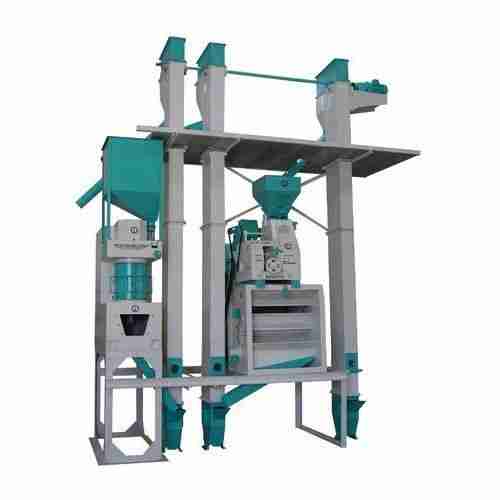
Understanding the Benefits of mini rice mill Plants for Local Economies
Mini rice mill plants are becoming an essential cornerstone for local economies, driving growth and fostering self-sufficiency among communities. These compact milling units, often with lower investment requirements compared to traditional mills, make it easier for small farmers and entrepreneurs to enter the rice processing industry. By doing so, they empower individuals to transform their own harvests into value-added products, thus significantly increasing their income potential. The milled rice can be sold locally or in nearby markets, enhancing food security and providing communities with a reliable source of staple food.
Moreover, mini rice mill plants create job opportunities and stimulate local trade. Their presence contributes to an ecosystem that supports agriculture and promotes local entrepreneurship. Notable benefits include:
- Job Creation: Local residents can find employment in the mills, ranging from machine operators to quality control personnel.
- Increased Local Income: Farmers can sell their rice directly to the mills, reducing reliance on middlemen.
- Boosted Local Economy: With enhanced income and new jobs, spending within the community rises, leading to further growth.
As these mini plants grow in popularity, the ripple effects on the local economy become increasingly clear. To illustrate the impact potential of these facilities, consider the following simple breakdown:
| Impact | Value |
|---|---|
| Smallholders Supported | 500+ Farmers |
| Jobs Created | 50-100 Jobs |
| Rice Processed Annually | 100 Tonnes |

The Technology Behind Mini Rice Mill Innovations
Recent advancements in agricultural machinery have driven a wave of innovation within the mini rice mill sector. These compact milling machines efficiently process rice by minimizing energy consumption and maximizing output. Notable technological features include:
- Precision Milling Technology: Enhanced milling techniques ensure minimal grain loss and superior quality, catering to both local and international markets.
- User-Friendly Interfaces: Many modern mini rice mills come equipped with touchscreen controls, making operation intuitive for users with varying levels of technical expertise.
- Integrated Sensor Systems: Smart sensors monitor moisture levels in real-time, allowing for optimal milling adjustments and reducing the risk of spoilage.
Moreover, the sustainability aspect cannot be overlooked. These mini rice mills often integrate eco-friendly practices, such as:
| Feature | Benefit |
|---|---|
| Renewable Energy Options | Reduces dependence on fossil fuels and lowers operational costs. |
| Waste Utilization | Byproducts like husks can be repurposed as biomass energy or organic fertilizer. |
Incorporating these technologies not only enhances the efficiency of rice processing but also contributes to sustainable agricultural practices that benefit farmers and the environment alike.
Best Practices for Setting Up a Successful Mini Rice Mill Plant
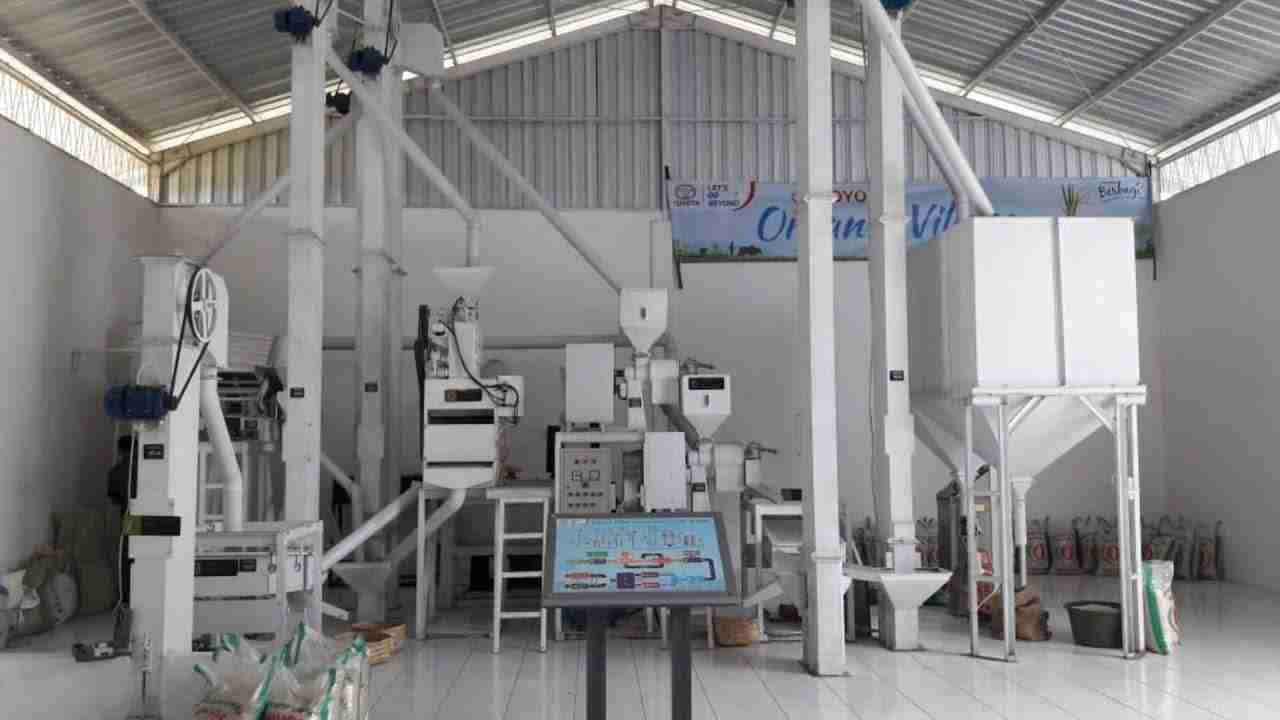
Establishing a mini rice mill plant requires careful planning and execution to ensure efficiency and profitability. To start, it’s vital to conduct thorough market research to identify local demand and pricing trends for rice products. This will help in making informed decisions regarding production volumes and the type of rice to mill. Additionally, choose a strategic location that provides easy access to raw material supplies and transportation channels to reach your target market efficiently. Once the groundwork is laid, investing in high-quality machinery and technology will greatly enhance milling efficiency and product quality. Key equipment includes:
- Rice hullers: For removing the husk.
- Grading machines: Ensuring consistent quality.
- Polishing machines: For enhancing appearance.
- Storage facilities: Ensuring safe keeping of raw materials and final products.
In addition to the machinery, it’s crucial to implement effective management practices. This involves training staff on operating the equipment properly and maintaining hygiene standards to ensure product safety. Developing strong supplier relationships can streamline your operation and reduce costs. Moreover, consider integrating a marketing strategy to promote your rice products, highlighting quality and local sourcing to attract consumers. Below is a simple overview of suggested staffing roles and their functions:
| Role | Function |
|---|---|
| Operator | Handles day-to-day machinery operations. |
| Quality Control | Ensures products meet quality standards. |
| Logistics Manager | Coordinates supply chain and shipping. |
| Marketing Specialist | Develops promotional strategies. |
Future Trends in mini rice mill Development and Sustainability
As the demand for rice continues to increase globally, mini rice mill plants are evolving to embrace advanced technologies that enhance efficiency and production. With the integration of smart technologies, these mills are moving towards automation and real-time monitoring, ensuring higher yields with minimal waste. Additionally, the use of renewable energy sources such as solar panels is becoming more prevalent, allowing operations to reduce their carbon footprint and operate sustainably even in remote areas. The convergence of IoT (Internet of Things) applications and rice milling promises to revolutionize the industry by enabling mill owners to track machine performance, manage inventory, and optimize operations remotely, thus enhancing productivity and profitability.
Sustainability is also becoming a critical focus in the future development of mini rice mills. The adoption of environmentally friendly practices, such as water recycling systems and biodegradable packaging, is on the rise. Millers are increasingly looking for ways to manage by-products and waste, converting them into useful resources. Furthermore, collaboration with local farmers and communities is essential to cultivate sustainable supply chains. Some key trends include:
- Integration of Circular Economy Principles: Emphasizing reusing and recycling materials.
- Enhanced Training Programs: Focused on sustainable practices and efficient use of technology.
- Investment in Research and Development: To innovate and adapt to changing climatic conditions.
| Trend | Description | Impact |
|---|---|---|
| Automation | Implementing AI and robotics for efficient milling | Increased production speed and reduced labor costs |
| Sustainable Energy | Using solar and wind energy for operations | Lower energy costs and reduced emissions |
| Community Engagement | Promoting local sourcing and partnerships | Strengthened local economies and reduced transportation costs |
Insights and Conclusions
As we draw the curtains on our exploration of mini rice mill plants, it’s clear that these small-scale enterprises are more than just a trend; they are a transformative force in the agricultural landscape. With the ability to empower local farmers, foster economic growth, and promote sustainability, mini rice mill plants symbolize a harmonious blend of innovation and tradition. As they gain traction in various regions, these mills not only unlock potential for individuals and communities but also contribute to the broader narrative of food security and rural development.
As we look to the future, the rise of mini rice mill plants serves as a reminder that sometimes, the biggest changes come from the smallest initiatives. By investing in these affordable and accessible milling solutions, we can plant the seeds for a more resilient agricultural ecosystem. It’s an exciting time to observe how these compact powerhouses are shaping the rice industry, and what new possibilities they will unveil for generations to come. Unlocking potential, indeed, is just the beginning.




