
Unlocking Potential: The Revolution of Mini Rice Mills
In the heart of agricultural innovation, a quiet revolution is taking root, transforming the way we cultivate and process one of the world’s most staple foods: rice. The emergence of mini rice mills is not merely a trend; it is a beacon of empowerment for smallholder farmers, rural entrepreneurs, and entire communities striving for sustainability and self-sufficiency. These compact, energy-efficient machines are unlocking potentials previously hindered by traditional milling practices, paving the way for enhanced productivity, reduced wastage, and improved economic outcomes. As we delve into the facets of this remarkable shift, we will explore how mini rice mills are reshaping agricultural landscapes, fostering inclusivity, and responding to the pressing demands of a world hungry for innovation and equitable growth. Join us on this journey to uncover the myriad benefits and future possibilities that lie within this transformative technology.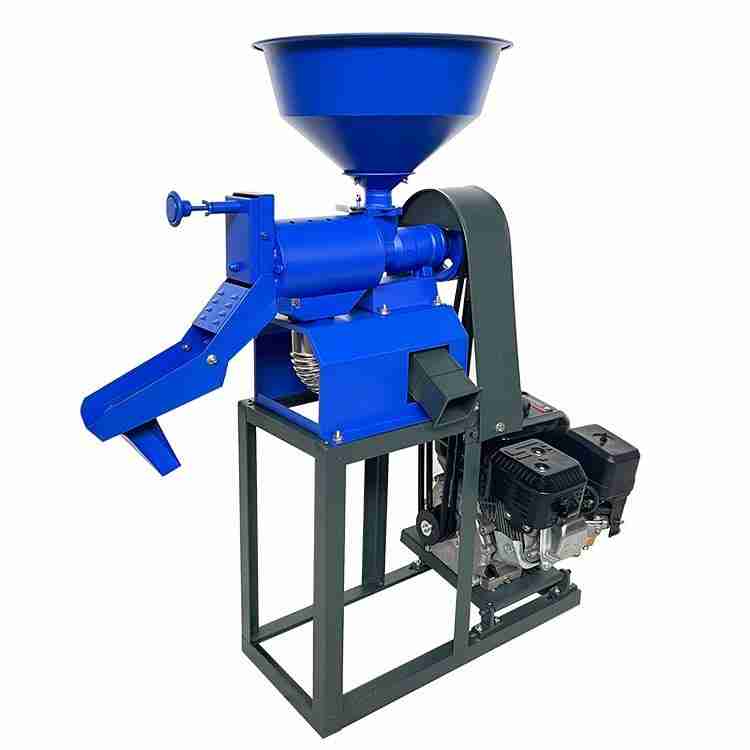
Exploring the Impact of Mini Rice Mills on Local Economies
The emergence of mini rice mills has sparked a transformative wave in agrarian communities, catalyzing economic growth and independence. These compact yet efficient mills allow farmers to process their produce locally, reducing dependence on distant, industrial milling operations. This shift not only yields significant cost savings for local producers but also enhances their profits by allowing them to market their rice directly to consumers. Furthermore, with reduced transportation costs and time, farmers can devote their resources to cultivating a greater volume of crops. The advantages of mini rice mills extend beyond economics, promoting environmental sustainability by minimizing carbon footprints associated with transportation.
Moreover, the proliferation of mini rice mills creates new employment opportunities within local economies. When these mills are established, they necessitate a workforce for operation, maintenance, and distribution. This leads to the creation of jobs that are accessible to community members, empowering them economically. The ripple effect includes:
- Skill Development: Training programs can enhance local expertise in milling and agricultural management.
- Entrepreneurial Ventures: Small businesses can emerge around the mills, providing ancillary services like packaging and marketing.
- Community Cohesion: Local mills often act as community hubs, fostering cooperation and mutual support among farmers.

Transformative Technology: The Mechanics Behind Mini Rice Milling
At the heart of mini rice milling technology lies a harmonious blend of engineering and agricultural innovation. These compact machines are designed to maximize efficiency while minimizing waste, effectively addressing the needs of small-scale farmers and local communities. Key components of mini rice mills include:
- Husk and Paddy Separators: These mechanisms work seamlessly to separate husk from the rice, ensuring that the final product is clean and market-ready.
- Rice Whitener: This vital component polishes the rice, enhancing its appearance and taste without compromising nutritional value.
- Cleaning Systems: Advanced filters and suction systems remove impurities, dirt, and unwanted particles, resulting in higher quality output.
The versatility of mini rice mills extends beyond mere processing; they are equipped with technologies that allow farmers to adapt to varying rice types and environmental conditions. Adaptability features typically include:
| Feature | Description |
|---|---|
| Variable Speed Control | Allows adjustment based on the moisture content of the rice. |
| Modular Design | Facilitates easy upgrades and maintenance for sustained performance. |
| Eco-friendly Operation | Reduces energy consumption compared to traditional milling methods. |
This technological evolution is not just about efficiency; it empowers local economies by providing affordable milling solutions that increase food security and create opportunities for entrepreneurship within rural areas.
Empowering Farmers: Enhancing Yield and Profitability
In the rapidly evolving agricultural landscape, the introduction of mini rice mills stands as a beacon of hope for smallholder farmers. These compact, efficient machines transform the traditional process of rice milling, enabling farmers to take control of their production from harvest to market. By milling their own grains, farmers can reduce dependency on large commercial mills, ensuring fresher produce while also cutting costs. The benefits of adopting mini rice mills are manifold:
- Increased Efficiency: With faster processing times, farmers can produce rice more swiftly, keeping up with market demands.
- Quality Control: Farmers can maintain higher standards of quality by overseeing the milling process themselves, often resulting in better market prices.
- Value Addition: By processing their own rice, farmers can create a range of value-added products, increasing their profit margins.
Moreover, the financial implications are significant. When farmers utilize mini rice mills, they can lower the cost of milling services, wherein traditional mills often charge a substantial fee. By investing in these innovative machines, many farmers see a marked improvement in their profitability, as illustrated in the table below:
| Parameter | Traditional Milling | mini rice mill |
|---|---|---|
| Cost per Kg | $0.10 | $0.05 |
| Processing Time (Hours) | 3 | 1 |
| Market Value (per 100 Kg) | $500 | $550 |
The ability to mill on-site not only enhances yield but also empowers farmers economically, transforming their agricultural practices into sustainable, profitable enterprises. As more farmers embrace this technology, the potential for collective growth in the rice sector becomes increasingly apparent. The future of agriculture is bright, and mini rice mills are leading the way.
Sustainable Practices: Mini Rice Mills and Environmental Stewardship
The integration of mini rice mills into local farming communities not only enhances productivity but also promotes environmental sustainability. By reducing the carbon footprint associated with traditional large-scale milling processes, these compact facilities offer an innovative solution that aligns with eco-friendly practices. The benefits are multifold:
- Resource Efficiency: Utilizing smaller machinery leads to less energy consumption compared to their larger counterparts.
- Waste Reduction: Mini mills can effectively utilize by-products, turning rice husks and bran into useful materials such as biofuel and animal feed.
- Local Sourcing: By sourcing rice from nearby farmers, the need for long-distance transportation is minimized, further decreasing greenhouse gas emissions.
The impact of mini rice mills extends beyond production; they foster sustainable farming practices, encouraging farmers to adopt techniques that conserve water and soil health. Moreover, these mills provide vital economic opportunities, empowering smallholder farmers while ensuring food security within the community. This local empowerment leads to:
- Job Creation: Establishing mini rice mills generates employment opportunities for locals, enhancing their livelihoods.
- Community Resilience: By supporting local economies, communities become more resilient against market fluctuations and climate change.
- Knowledge Sharing: They serve as hubs for disseminating sustainable agricultural practices among farmers.
The Conclusion
the emergence of mini rice mills marks a significant turning point in the agricultural landscape, offering a pathway to empowerment for farmers and communities alike. As we embrace this revolution, we witness not only the optimization of rice production but also a transformation in economic resilience and food security. The fusion of technology and sustainability encapsulated in these compact powerhouses serves as a reminder that innovation does not always come in large packages. Instead, it often lies in the small yet impactful changes that can unlock immense potential. As we look to the future, the ongoing adoption and evolution of mini rice mills will undoubtedly continue to reshape the narrative of agriculture, promoting a more sustainable and equitable food system for all. The journey has just begun, and the possibilities are as vast as the fields they serve.




