
In the heart of rural landscapes, where golden fields sway gently under the embrace of the sun, a silent revolution is unfolding—one that transforms not only the grains of rice but the very fabric of farming itself. As mini rice mills emerge as beacons of innovation, they weave a narrative of empowerment and sustainability, unlocking the potential of farmers in ways previously unimagined. These compact yet powerful machines symbolize a shift towards greater efficiency and value, allowing cultivators to bridge the gap between production and profit. In this article, we delve into how mini rice mills are reshaping agricultural practices, enhancing livelihoods, and fostering resilience in a sector often at the mercy of unpredictable markets and climate challenges. Join us as we explore the profound impact of these mills on the farming community and the promise they hold for a more sustainable future.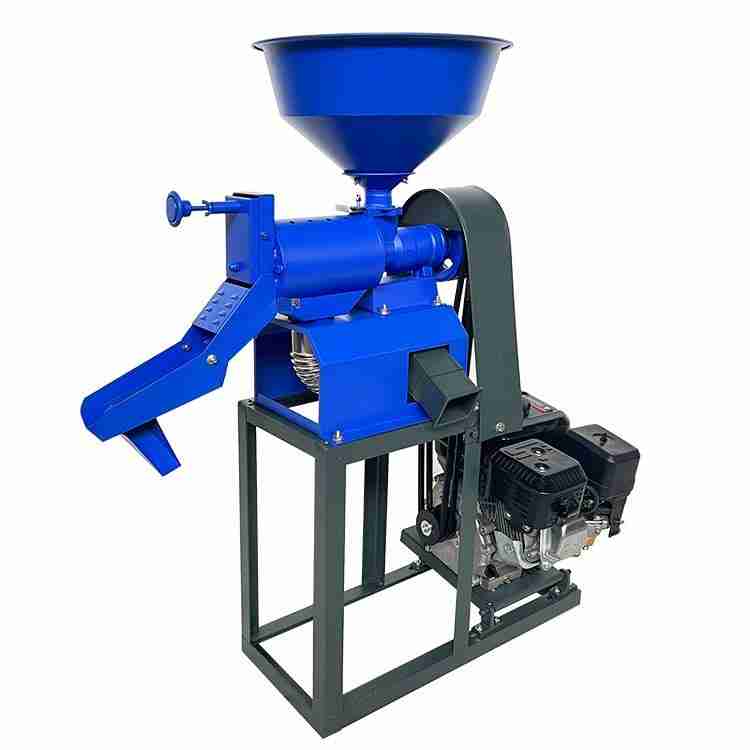
Exploring the Benefits of Mini Rice Mills for Smallholder Farmers
The advent of mini rice mills has revolutionized the agricultural landscape for smallholder farmers, transforming the way they process their harvests. These compact milling units are designed to be affordable and user-friendly, significantly reducing post-harvest losses and enhancing the overall efficiency of rice processing. By providing farmers with the means to mill their rice locally, mini rice mills empower them to take control of their production chain, eliminating the need for long-distance transport to larger, centralized milling facilities. This not only saves time and transportation costs but also ensures that farmers retain a greater share of the profits from their crops.
Another compelling advantage of these mini mills is their adaptability to local conditions. With the ability to process smaller quantities of rice, farmers can mill their produce just when needed, leading to better quality control and fresher products for the market. Furthermore, many mini rice mills are equipped with additional functionality, such as the capacity to produce rice bran, which can be used as a valuable by-product for animal feed or cooking oil. By integrating these technological solutions, farmers can cultivate a more sustainable farming practice, leading to enhanced productivity and improved economic resilience. The following table illustrates the key benefits of mini rice mills for smallholder farmers:
| Benefit | Description |
|---|---|
| Cost-Effective | Reduces processing costs and increases profitability. |
| Time Efficient | Mills rice on-demand, saving time compared to traditional methods. |
| Quality Preservation | Maintains the nutritional value and freshness of the rice. |
| Local Employment | Creates job opportunities in rural areas through local milling. |

Transforming Post-Harvest Processing: Efficiency and Quality Enhancement
The introduction of mini rice mills has revolutionized post-harvest processing, particularly in regions where small-scale farmers dominate. These compact and efficient machines empower farmers by streamlining the milling process, significantly reducing both time and labor costs. Gone are the days when farmers had to rely on large, centralized mills, which often caused delays in processing their harvest. With the advent of mini rice mills, farmers can now enjoy a host of benefits, including:
- Improved Efficiency: The speed of milling allows for quicker turnaround times, enabling farmers to bring their products to market faster.
- Preservation of Quality: Mini mills are designed to retain the nutritional qualities and taste of the rice, ensuring that the end product meets consumer expectations.
- Cost-Effectiveness: With lower operational costs, farmers can enhance their profit margins and reinvest in their farming practices.
Moreover, these mini rice mills provide an opportunity for local entrepreneurs, creating jobs and fostering economic growth within rural communities. By operating these mills, farmers can also participate in processing their grains, which not only adds value to their product but also encourages self-sufficiency. This shift in post-harvest processing has led to the emergence of cooperative models, where multiple farmers collaborate to maximize the use of milling facilities. The table below highlights the key advantages of using mini rice mills in post-harvest processing:
| Advantage | Description |
|---|---|
| Accessibility | Farmers can easily access mills in their area, reducing transport times. |
| Customization | Milling operators can adjust settings for different rice varieties. |
| Sustainability | Encourages reduced reliance on large-scale processing, minimizing carbon footprints. |

Economic Empowerment through Localized Rice Milling Solutions
The introduction of mini rice mills at the community level has catalyzed a transformative shift in the agricultural landscape, particularly for smallholder farmers. These localized solutions not only reduce transportation costs but also enhance the efficiency of rice processing, allowing farmers to gain more control over their product. By milling rice locally, farmers can:
- Increase Profit Margins: Skipping intermediary steps allows direct sales of polished rice, often fetching a higher price.
- Reduce Post-Harvest Losses: With immediate processing, spoilage due to delays is minimized.
- Enhance Food Security: Local milling ensures that communities have access to freshly processed rice, reducing reliance on external markets.
Moreover, the economic ripple effect generated by mini rice mills extends far beyond the individual farmer. Localized milling operations create job opportunities, fostering entrepreneurship as operators launch new businesses supporting the rice supply chain. Community engagement in these initiatives can lead to:
- Strengthened Local Economies: Increased income circulation within the community.
- Skill Development: Training opportunities in rice milling operations and maintenance.
- Innovative Practices: A push towards sustainable farming techniques and organic rice production.
| Benefit | Description |
|---|---|
| Cost Savings | Reduction in transportation and processing fees. |
| Job Creation | New positions in milling, maintenance, and distribution. |
| Community Growth | Strengthened local business networks and community ties. |
Sustainable Practices: How Mini Rice Mills Contribute to Environmental Conservation
Mini rice mills embody a sustainable approach to agricultural processing, effectively reducing the environmental impact traditionally associated with larger rice milling operations. These mills utilize energy-efficient technology, thereby curtailing the overall carbon footprint of rice production. By minimizing energy consumption, they contribute significantly to environmental conservation while simultaneously providing local communities with access to modern milling facilities. This empowerment allows farmers to take charge of their production and ensures that they adhere to sustainable farming practices.
Moreover, mini rice mills encourage the reduction of waste generation through the efficient utilization of by-products. For instance, the bran produced during the milling process can be repurposed as animal feed or transformed into cooking oil, contributing to a circular economy. The ability to convert waste into valuable resources not only aids in preserving environmental quality but also enhances the economic viability of small-scale farmers. these eco-friendly mills foster a more sustainable agricultural system, where enhanced productivity meets the pressing need for environmental conservation.
To Wrap It Up
the rise of mini rice mills represents a pivotal shift in the agricultural landscape, offering farmers a unique opportunity to harness their full potential. By providing efficient processing solutions, these mills not only enhance productivity but also empower local communities through increased income and food security. As we look towards the future, it is clear that investing in small-scale milling technology can play a crucial role in transforming the rice sector, fostering sustainability, and promoting economic resilience. With the right support and infrastructure, mini rice mills can unlock a wealth of possibilities, allowing farmers to thrive in an ever-evolving market. The journey toward agricultural empowerment is just beginning, and the seeds of innovation we sow today will undoubtedly yield fruitful results for generations to come.




