
In the heart of agrarian landscapes, where golden fields sway gently in the breeze, a quiet revolution is brewing—one that transforms the humble grain into pathways of opportunity. Enter the mini rice mill, a compact marvel of technology that promises to redefine the way we think about rice production. As farmers grapple with the challenges of modernization and market demands, these small yet powerful machines stand as beacons of efficiency and sustainability. In this article, we delve into the myriad benefits of mini rice mills, exploring how they not only enhance productivity but also empower local communities, drive economic growth, and pave the way for a future where potential is unlocked in every grain. Join us on this journey to discover how a simple innovation is reshaping the rice industry and nurturing the seeds of change.
Exploring the Economic Advantages of Mini Rice Mills
The rise of mini rice mills holds substantial promise for small-scale farmers and local economies, transforming the rice milling landscape. By decentralizing rice processing, these compact mills reduce reliance on larger, often distant milling facilities, allowing farmers to produce and market their high-quality rice more efficiently. This local processing minimizes transport costs, leading to increased profitability for producers. Additionally, the smaller scale of operations translates to lower initial investment and operating costs, making it financially accessible for many entrepreneurs looking to enter the rice milling industry.
Mini rice mills also foster community development through job creation and skill enhancement. They are instrumental in empowering local labor forces, which are often underutilized in rural areas. By creating a demand for skilled technicians and support staff, these mills catalyze economic growth at the grassroots level. The following advantages highlight their potential impact on local economies:
- Local Employment: Generating jobs for the community enhances livelihood stability.
- Enhanced Food Security: By processing rice locally, supply chains become shorter and more resilient.
- Sustainability: Smaller operations reduce environmental footprints compared to larger mills.
Enhancing Agricultural Efficiency through Local Milling Solutions
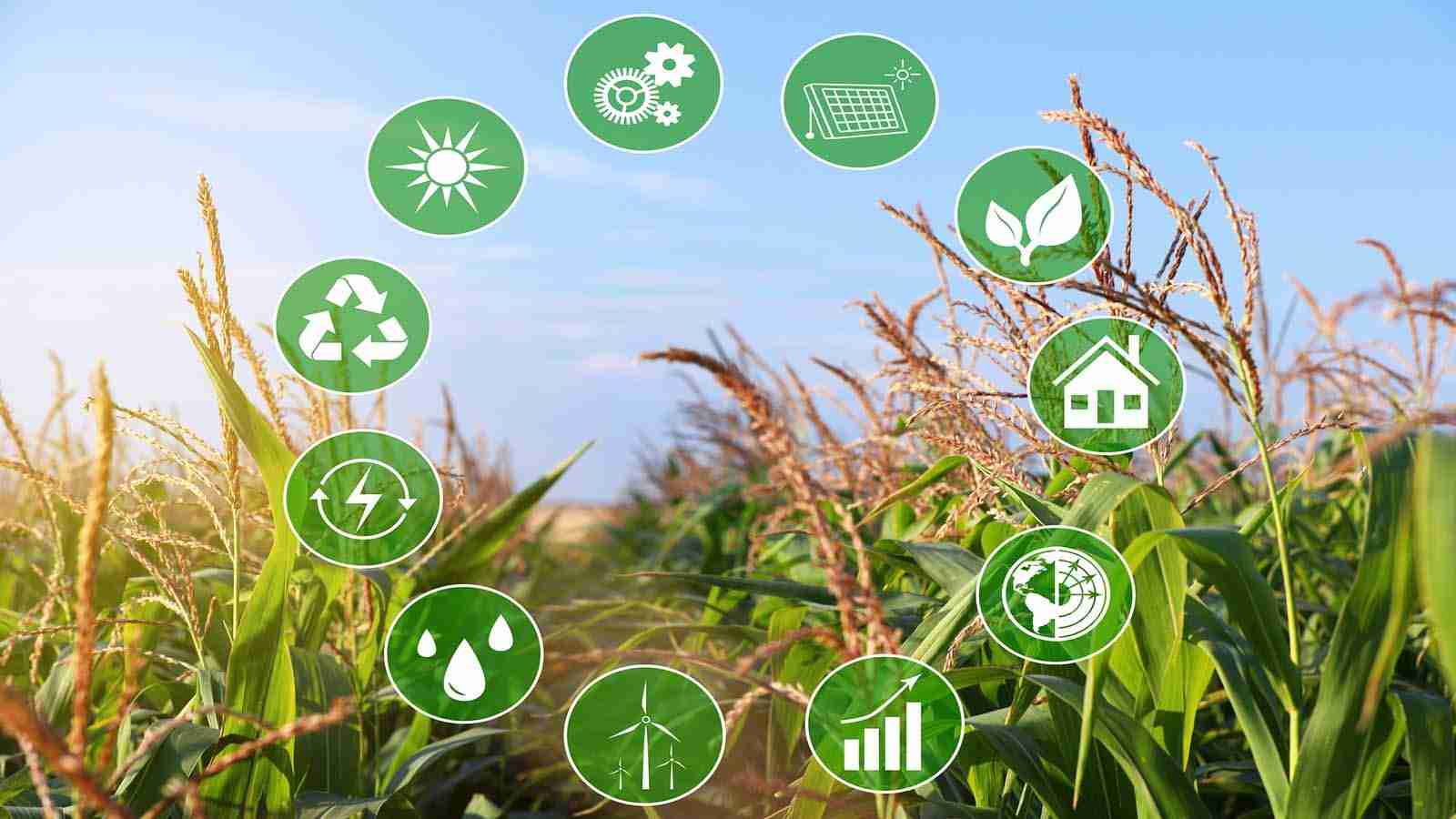
In the realm of agriculture, mini rice mills represent a pivotal solution to enhancing productivity and sustainability. These compact units empower local farmers by providing immediate access to milling services that significantly reduce the logistical burdens associated with transporting rice to distant milling facilities. This immediacy not only shortens the grain processing timeline but also helps in retaining the nutritional quality and freshness of the rice, proving essential for both smallholders and larger agricultural enterprises alike. Moreover, the localization of milling can catalyze job creation, contributing to the overall economic vitality of rural areas.
The adoption of local milling solutions brings several noteworthy benefits to the agricultural landscape, including:
- Cost Efficiency: Minimizing transportation costs associated with taking paddy to distant mills.
- Quality Assurance: Families can ensure that their rice is milled to their preferred specifications without external variability.
- Energy Reduction: Utilizing smaller machines leads to lower energy consumption compared to larger, centralized mills.
- Customization: Farmers can experiment with different milling settings, allowing for a more tailored product.
To illustrate the impact of mini rice mills on local farming economies, consider the following comparison of costs and benefits:
| Aspect | Traditional Milling | Mini Rice Milling |
|---|---|---|
| Transportation Costs | High | Minimal |
| Milling Time | Days | Hours |
| Employment Opportunities | Limited | Increased |
| Nutritional Value Retention | Variable | Higher |
By investing in mini rice mills, communities can not only boost their agricultural efficiency but also transform local economies, ensuring sustainability and growth in the long term while enhancing food security.

Nurturing Nutrition: The Health Benefits of Freshly Milled Rice
Freshly milled rice is a superfood that packs a punch in terms of nutritional benefits. Unlike its polished counterparts, which often lose vital nutrients during processing, freshly milled rice retains a significant amount of essential vitamins and minerals. Some of the key nutrients found in freshly milled rice include:
- Vitamins: B vitamins, particularly thiamine (B1) and niacin (B3), contribute to energy metabolism and overall health.
- Minerals: Iron and potassium are present in adequate amounts, aiding in blood production and heart health.
- Fiber: Keeps the digestive system running smoothly and promotes gut health.
The health benefits extend beyond just nutrient retention. Freshly milled rice has been linked to improved energy levels, enhanced mood, and better physical performance. When consumed, it can serve as a great source of complex carbohydrates, providing sustained energy throughout the day. Here’s a quick look at some of the health benefits:
| Health Benefit | Description |
|---|---|
| Energy Boost | Complex carbohydrates in rice fuel physical and mental performance. |
| Weight Management | High fiber content promotes satiety and healthy digestion. |
| Heart Health | Potassium aids in maintaining optimal blood pressure levels. |
Empowering Communities: Building Resilience with Mini Rice Mills
In many rural areas, access to modern agricultural practices can be limited, hindering economic development and community growth. Mini rice mills serve as vital tools in transforming local economies, offering significant advantages that empower small-scale farmers. By providing local processing facilities, these mills minimize the reliance on distant markets and reduce the production costs associated with transportation and middlemen. Additionally, local milling ensures fresher rice, enhancing both the nutritional content and quality of food available to communities. With this localized infrastructure, communities can generate more income, resulting in improved living standards and greater overall resilience.
The establishment of mini rice mills also cultivates a spirit of collaboration among farmers. They can unite to share resources, knowledge, and best practices, fostering a more robust agricultural framework. The intrinsic benefits include:
- Job Creation: Local mills generate employment opportunities for skilled and unskilled labor, contributing to reduced poverty levels.
- Value Addition: By processing their produce locally, farmers can enjoy higher profit margins, as well as leverage innovative by-products.
- Community Engagement: Mills can serve as hubs for education and training, where farmers learn about sustainable practices and modern techniques.
Moreover, the integration of technology in these mini mills can enhance efficiency and output. Below is a table that captures the essential features of mini rice mills and their impacts:
| Feature | Impact |
|---|---|
| Local Processing | Reduces transport costs and ensures freshness |
| Job Opportunities | Increased employment boosts local economy |
| Training Programs | Empowers farmers with knowledge and skills |
This multifaceted approach not only drives individual prosperity but strengthens community connections, paving the way for a resilient and vibrant agricultural sector.
To Conclude
the advent of mini rice mills marks a transformative shift in the agricultural landscape, unlocking untapped potential for farmers and communities alike. These compact powerhouses not only enhance the efficiency of rice processing but also empower local economies by fostering self-reliance and reducing reliance on larger, distant facilities. As we move towards a more sustainable future, embracing technologies like mini rice mills can catalyze a wave of positive change, bridging the gap between traditional practices and modern innovations. By investing in these small-scale solutions, we nurture not just the grains of rice, but the very essence of agricultural development, ensuring that every grain harvested is a step towards prosperity. As we continue to explore the boundless possibilities within the realm of agriculture, mini rice mills stand as a testament to what can be achieved when technology meets tradition in perfect harmony.




